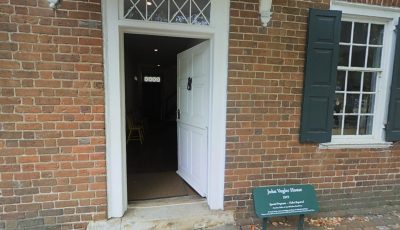
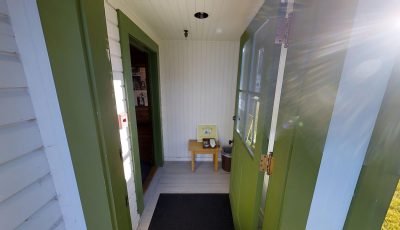
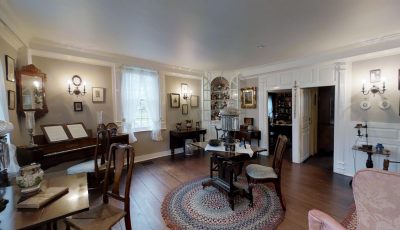
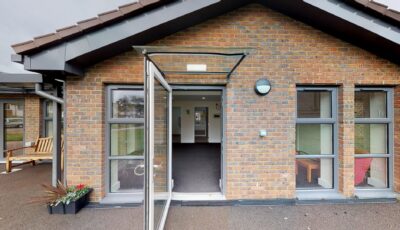
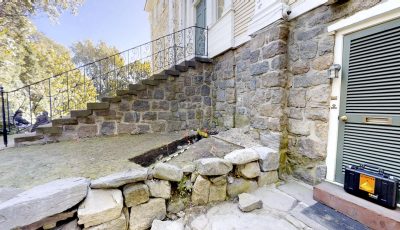
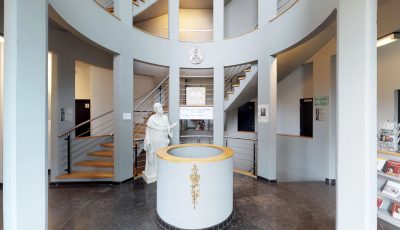
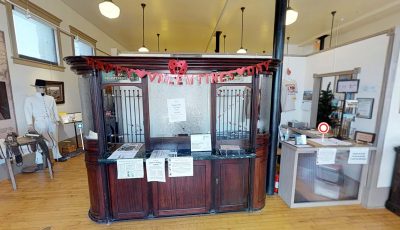
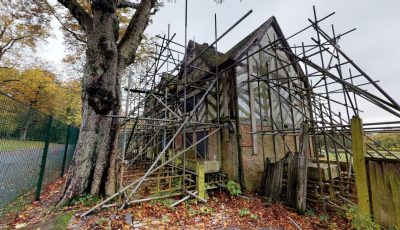
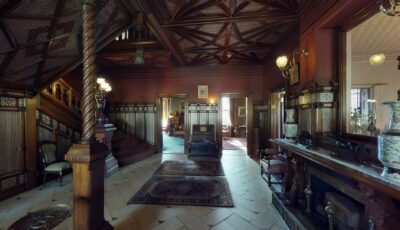
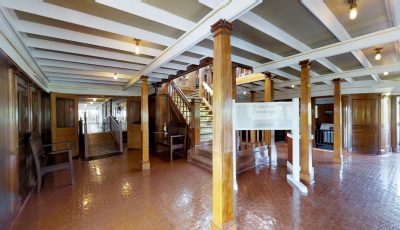
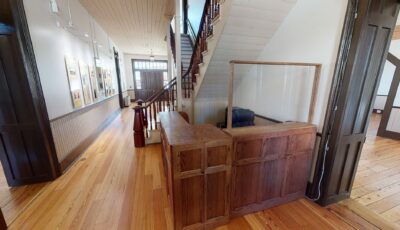
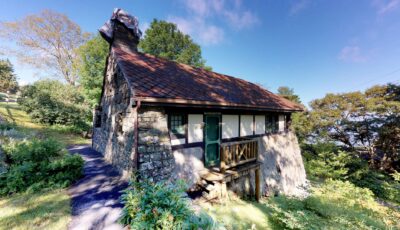
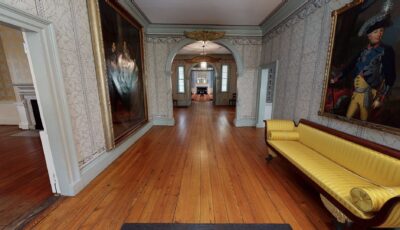
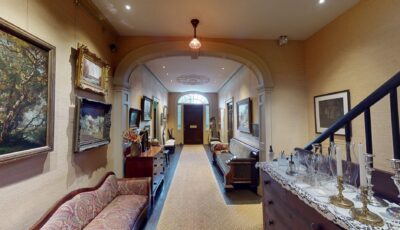
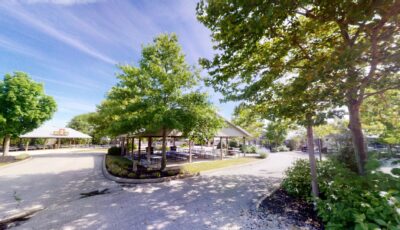
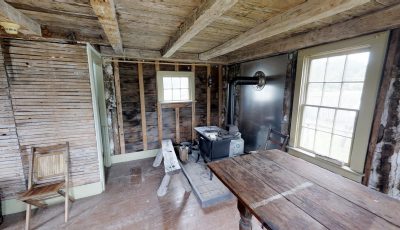
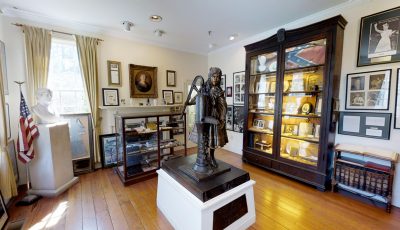
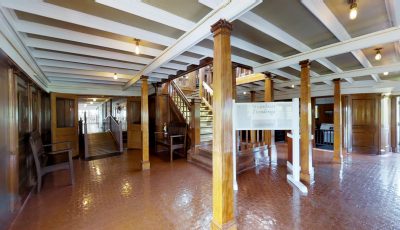
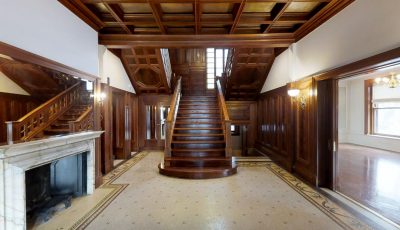
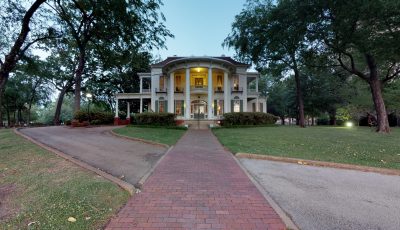
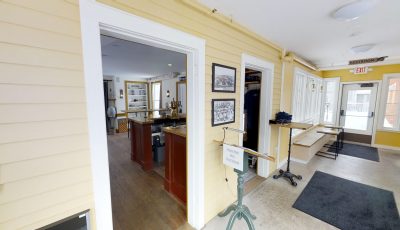
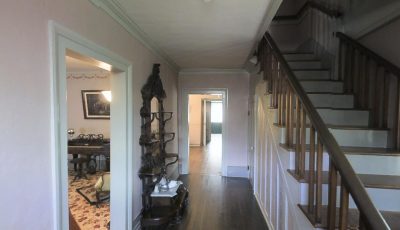
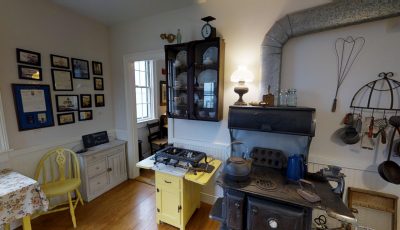
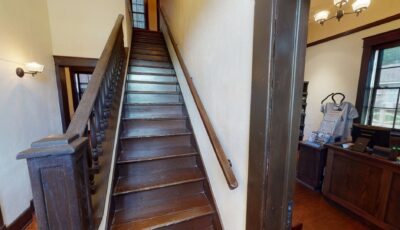
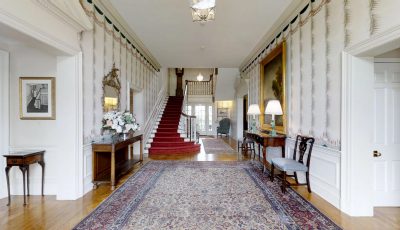
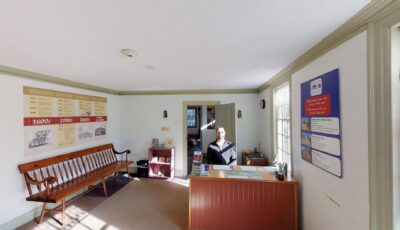
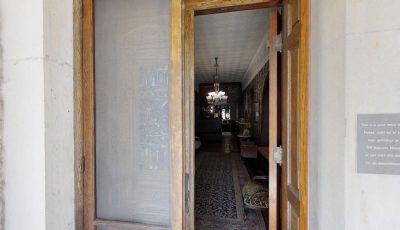
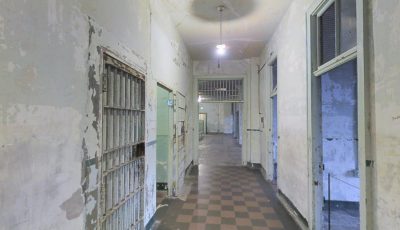
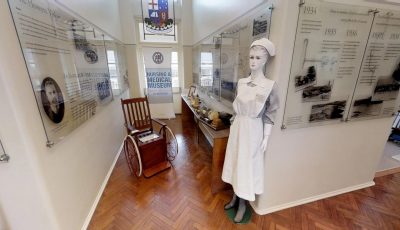
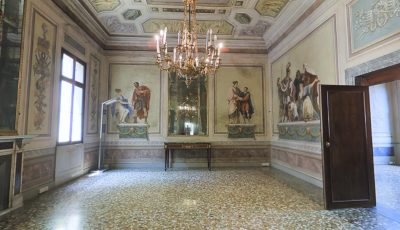
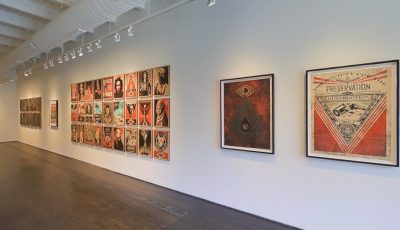
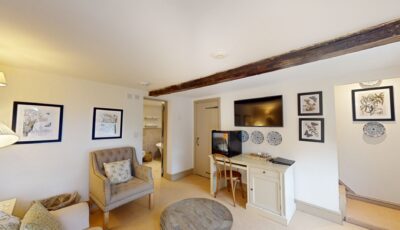
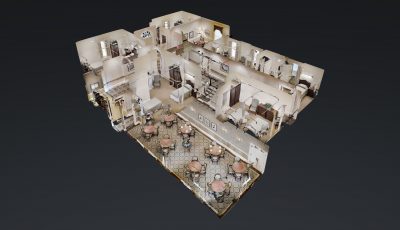
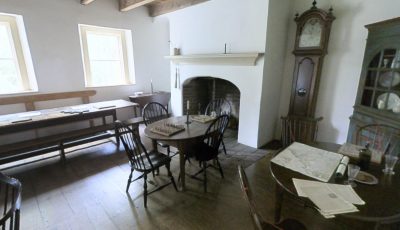
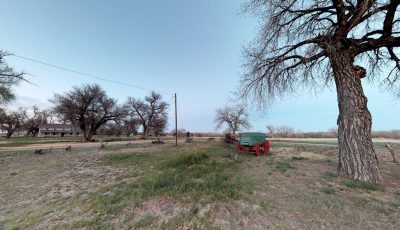
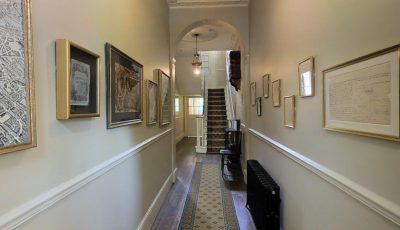
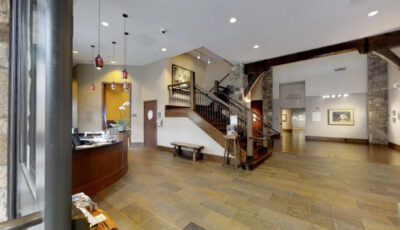
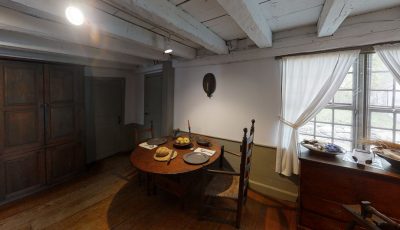
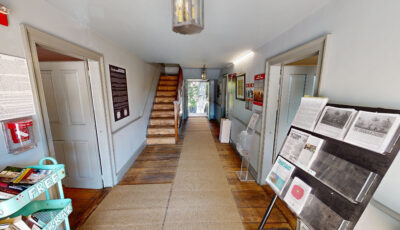
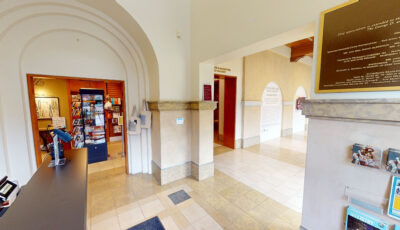
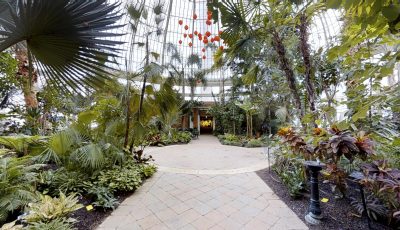
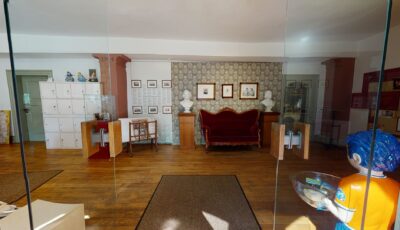
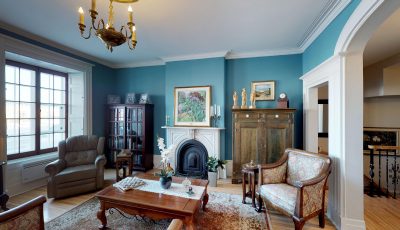
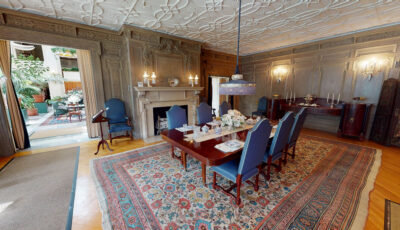
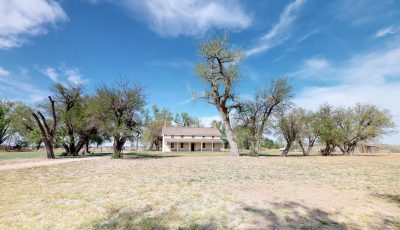
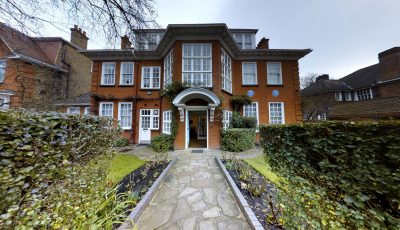
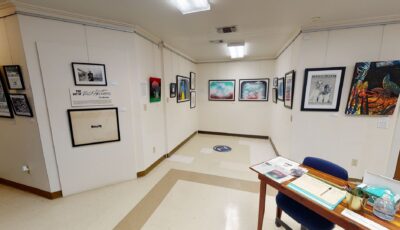
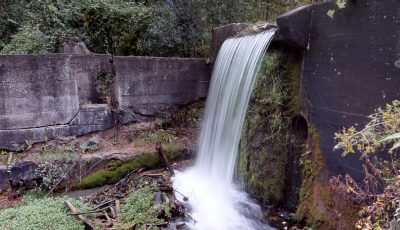
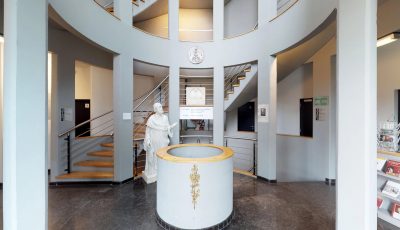
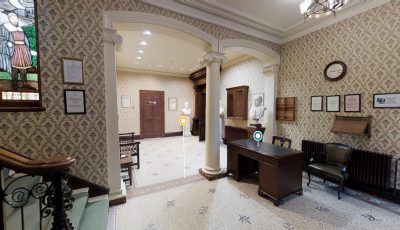
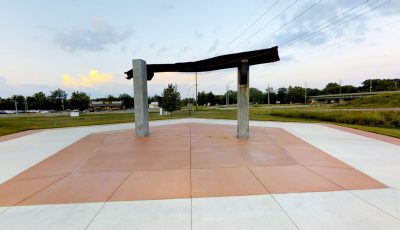
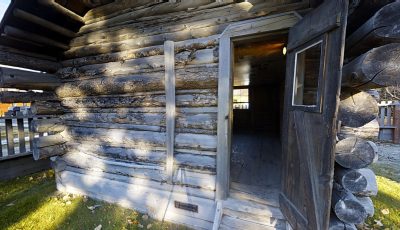
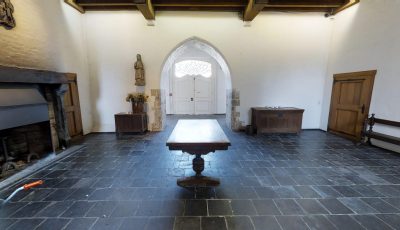
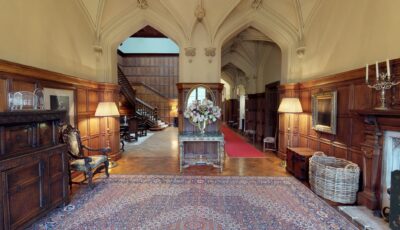
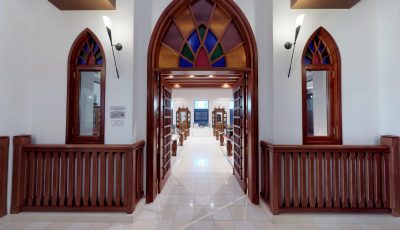
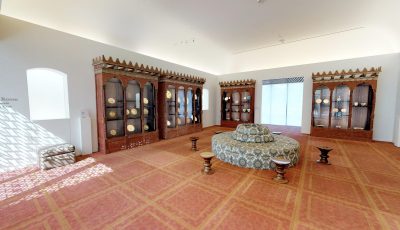
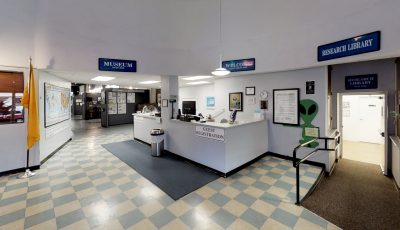
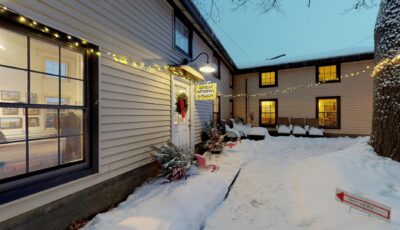
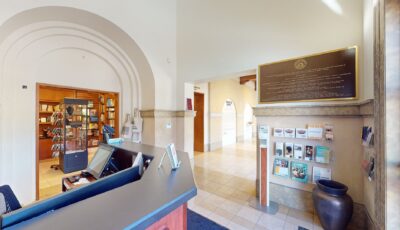
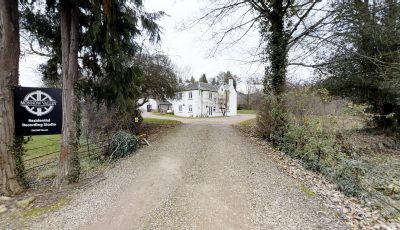
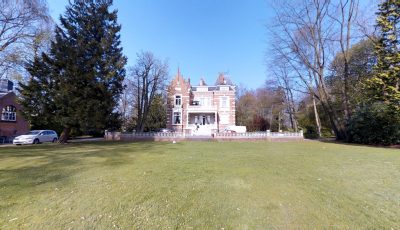
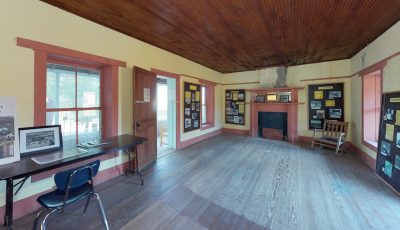
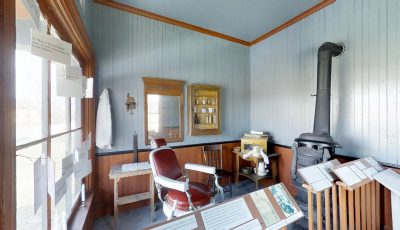
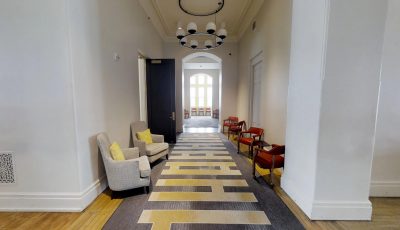
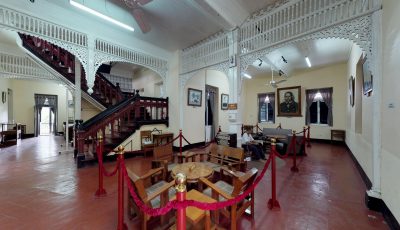
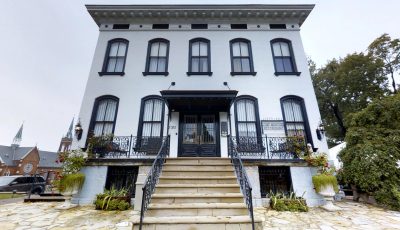
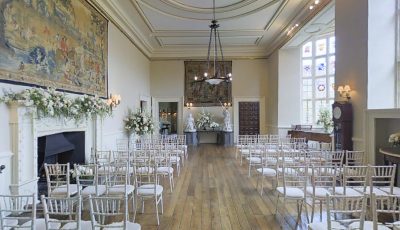
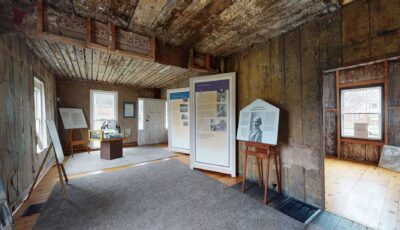
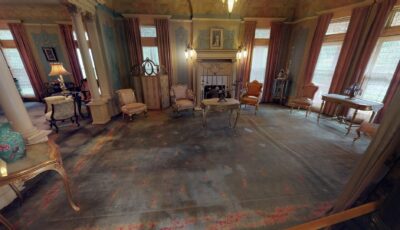
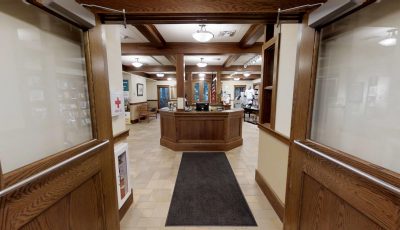
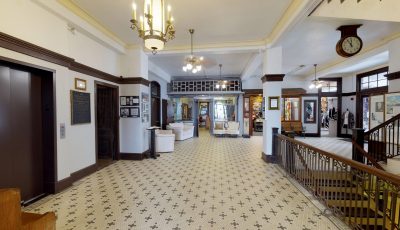
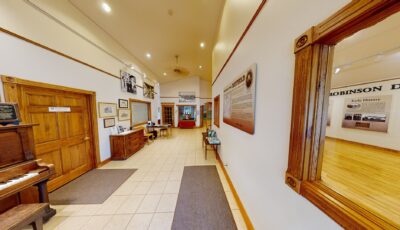
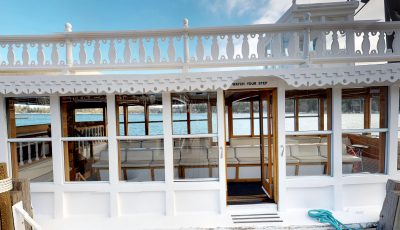
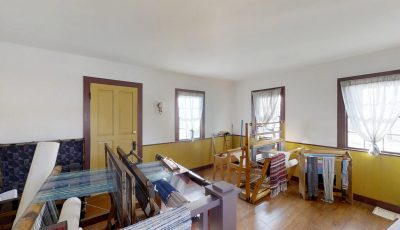
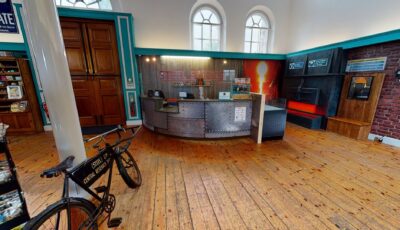
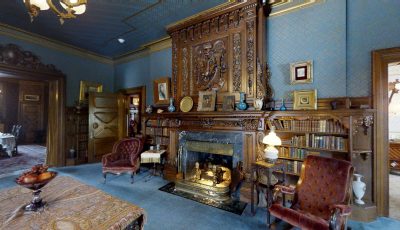
The William G. LeDuc House, also known as the LeDuc Historic Estate, located at 1629 Vermillion Street in Hastings, Minnesota, United States, is listed on the National Register of Historic Places. It was built over several years, and completed in 1865, by William Gates LeDuc who came to Minnesota in 1850 from Ohio. He was an attorney who represented a party to a suit involving Vermillion Falls, 1,500 feet (457 m) southeast of the homesite. As payment for his services, Le Duc received the land where he built his house. LeDuc was a Civil War veteran and U.S. Commissioner of Agriculture under President Hayes (1877–1881). The estate is an unusually complete example of the Carpenter Gothic style of Andrew Jackson Downing, a pioneer in American landscape architecture. William, and his wife Mary, used Downing’s book, Cottage Residences, as inspiration for their home (Downing himself had died in 1852). The home was the first property to be acquired by the Minnesota Historical Society in the late 1950s but sat empty until 2005, when it was acquired by the City of Hastings. The Dakota County Historical Society partnered with the city to provide programing and interpretative services. $1.2 million was raised to restore the home and grounds to their former glory. Construction on the LeDuc house began in 1862 and was completed in 1866. Following LeDuc’s service as Quartermaster in the Civil War, the family moved into the unfinished home in August 1865.
Information sourced from Wikipedia, licensed under CC-BY-SA.
Educational Lesson Plans
Enhance your classroom experience with our comprehensive educational lesson plans designed to accompany this virtual tour. Each lesson plan aligns with national educational standards and includes pre-tour activities, guided exploration questions, discussion prompts, and post-tour assessment materials. Perfect for grades K-12 and higher education.
Share This Virtual Tour
Know someone who would enjoy this virtual field trip? Share this 3D tour with teachers, students, friends, and family. Virtual field trips make learning accessible to everyone, regardless of location or ability to travel.