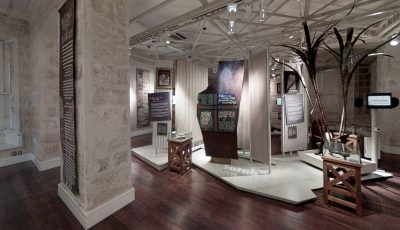
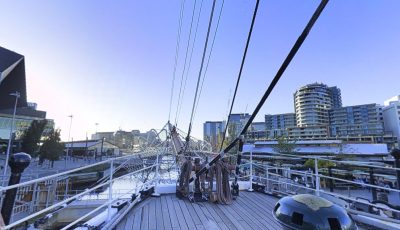
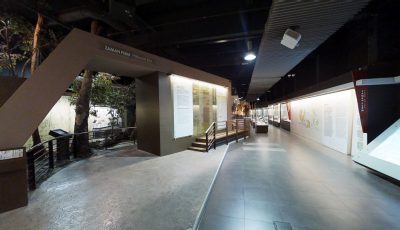
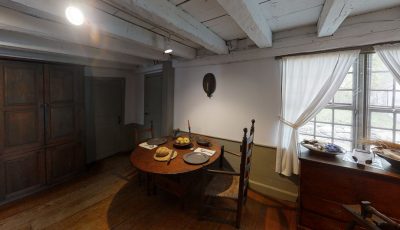
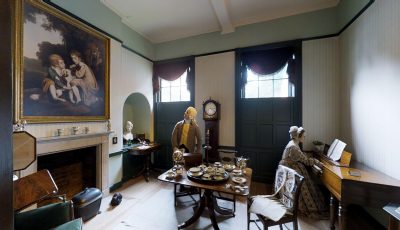
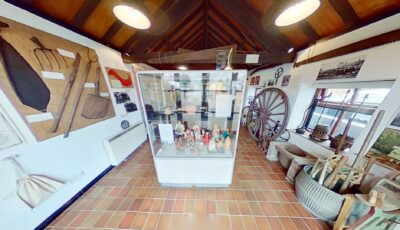
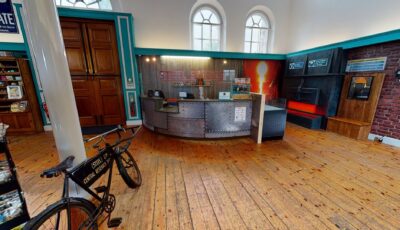
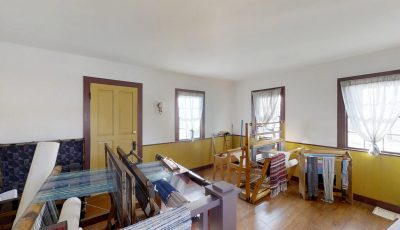
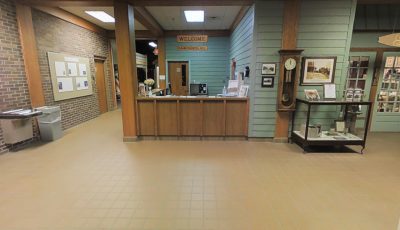
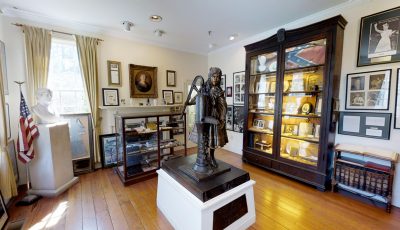
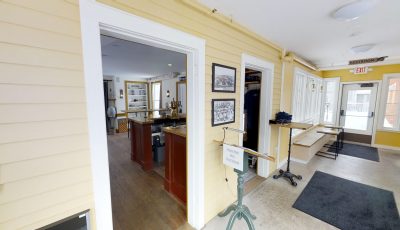
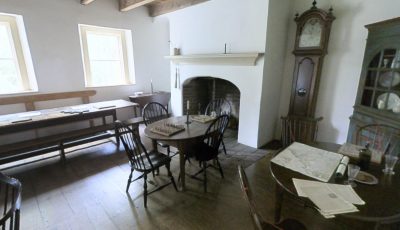
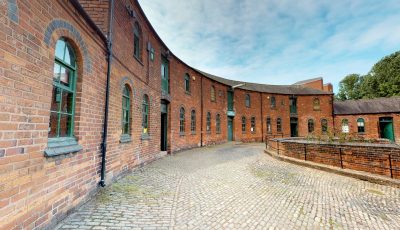
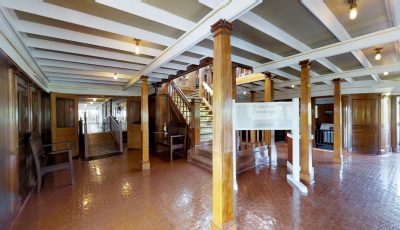
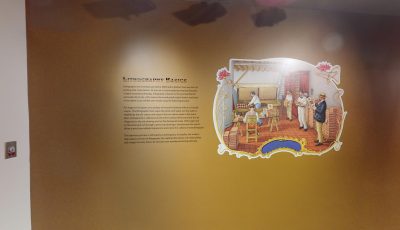
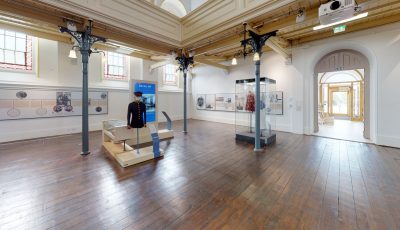
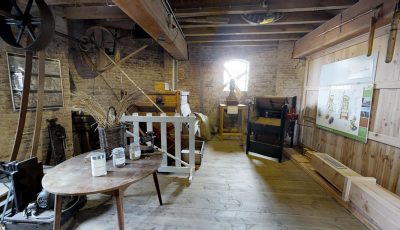
The Lowell mill girls were young female workers who came to work in textile mills in Lowell, Massachusetts during the Industrial Revolution in the United States. The workers initially recruited by the corporations were daughters of New England farmers, typically between the ages of 15 and 35. By 1840, at the height of the Textile Revolution, the Lowell textile mills had recruited over 8,000 workers, with women making up nearly three-quarters of the mill workforce. During the early period, women came to the mills for various reasons: to help a brother pay for college, for the educational opportunities offered in Lowell, or to earn supplemental income for the family. Francis Cabot Lowell emphasized the importance of providing housing and a form of education to mirror the boarding schools that were emerging in the 19th century. He also wanted to provide an environment that sharply contrasted the poor conditions of the British mills notoriously portrayed by Dickens. Their wages were only half of what men were paid, yet many women were able to attain economic independence for the first time. The Lowell mill girls earned between three and four dollars per week. The cost of boarding ranged between seventy-five cents to $1.25, giving them the ability to acquire good clothes, books, and savings. The girls created book clubs and published journals such as the Lowell Offering, which provided a literary outlet with stories about life in the mills.
Information sourced from Wikipedia, licensed under CC-BY-SA.
Educational Lesson Plans
Enhance your classroom experience with our comprehensive educational lesson plans designed to accompany this virtual tour. Each lesson plan aligns with national educational standards and includes pre-tour activities, guided exploration questions, discussion prompts, and post-tour assessment materials. Perfect for grades K-12 and higher education.
Share This Virtual Tour
Know someone who would enjoy this virtual field trip? Share this 3D tour with teachers, students, friends, and family. Virtual field trips make learning accessible to everyone, regardless of location or ability to travel.