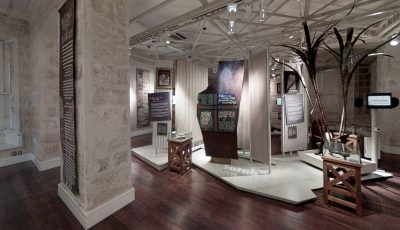
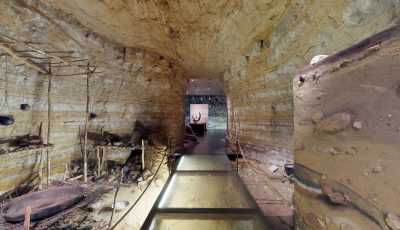
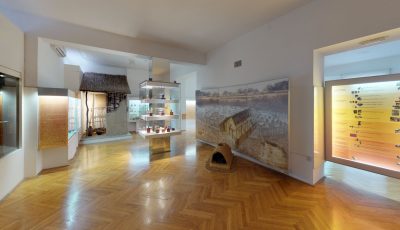
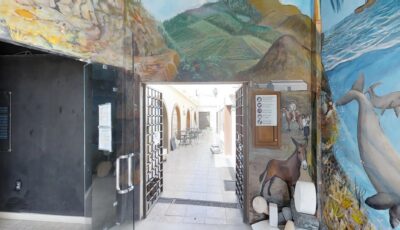
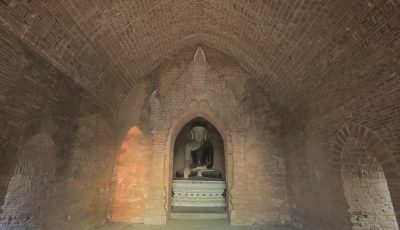
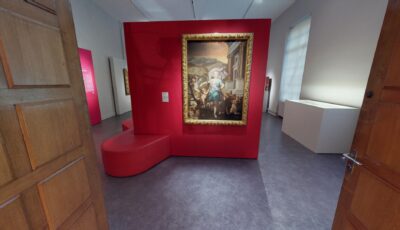
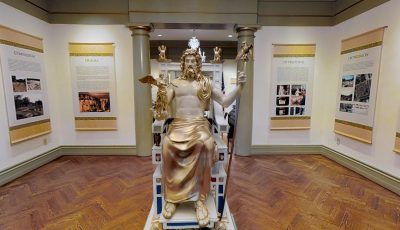
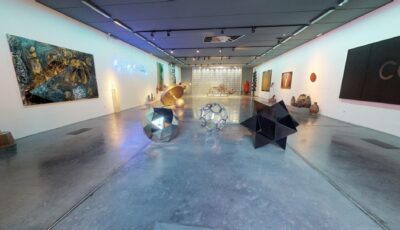
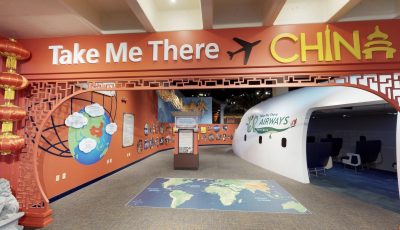
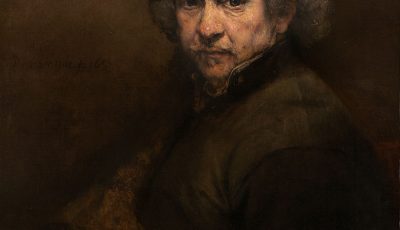
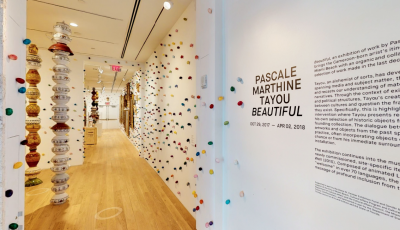
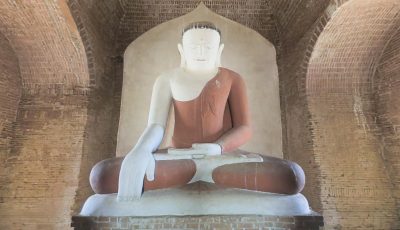
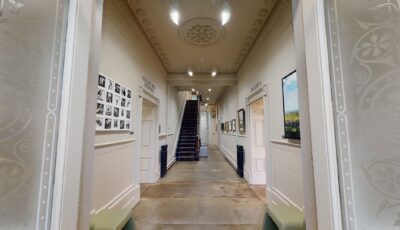
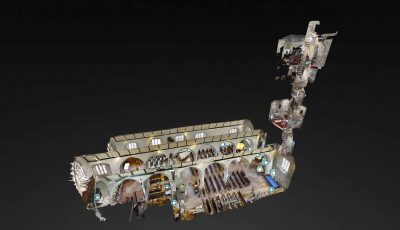
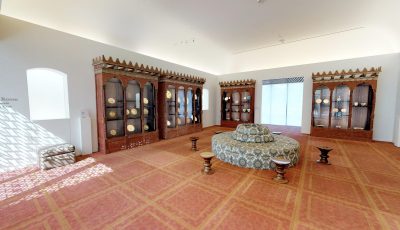
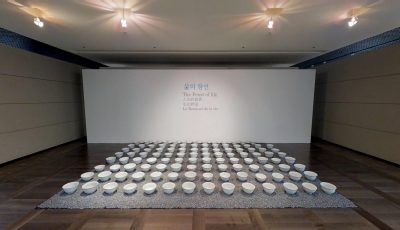
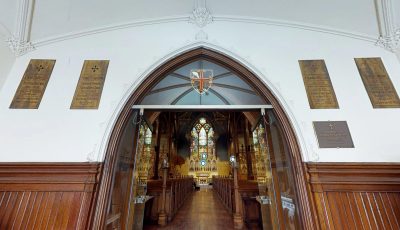
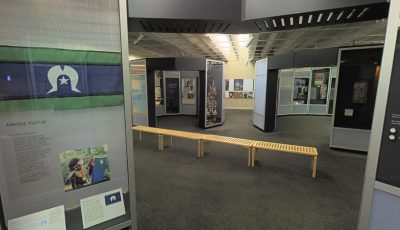
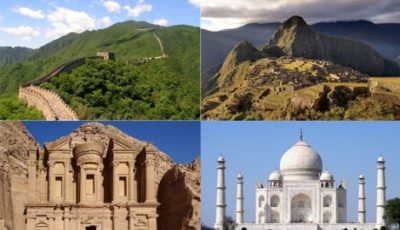
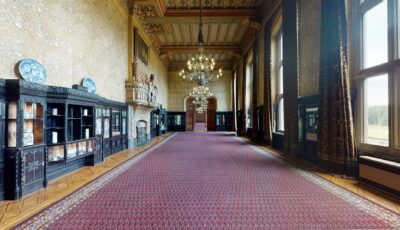
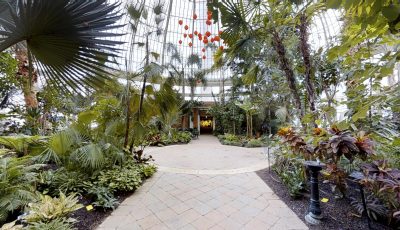
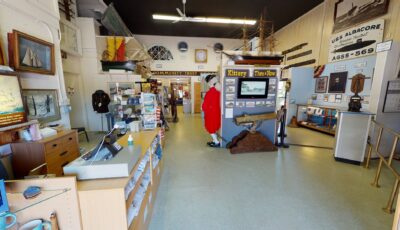
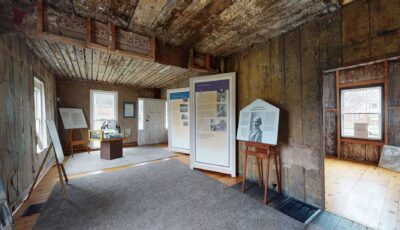
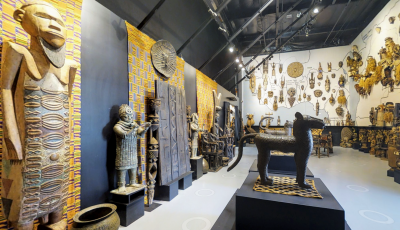
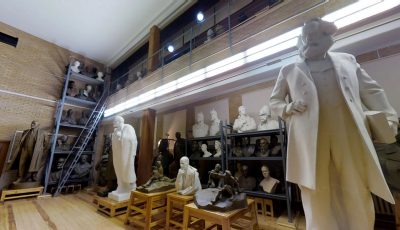
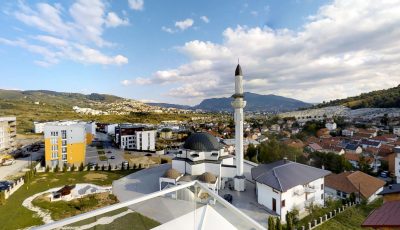
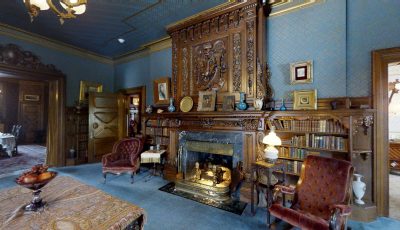
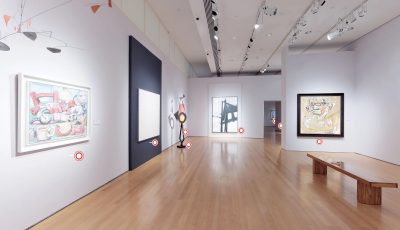
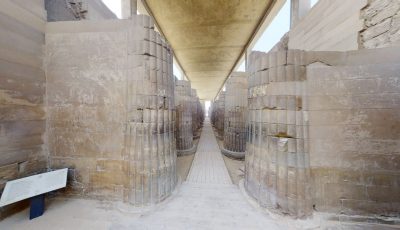
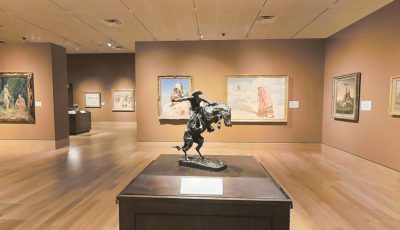
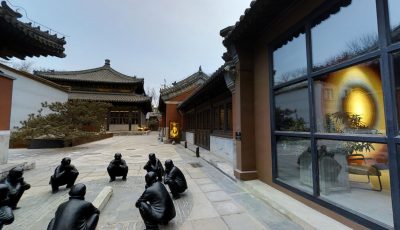
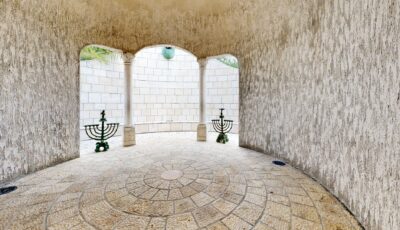
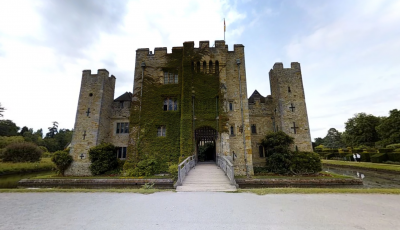
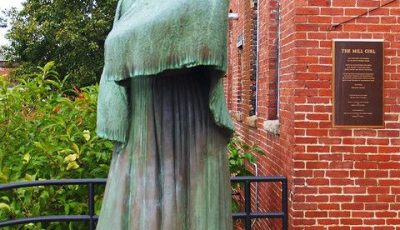
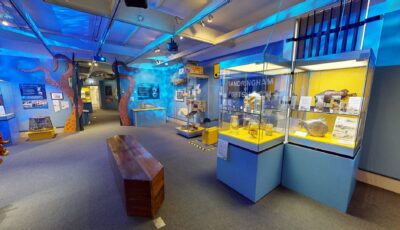
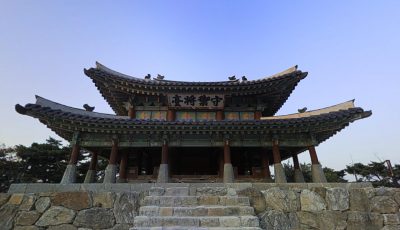
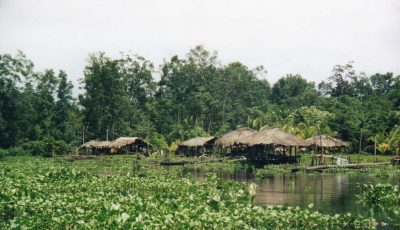
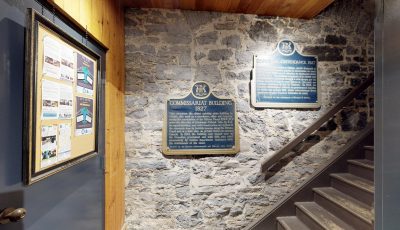
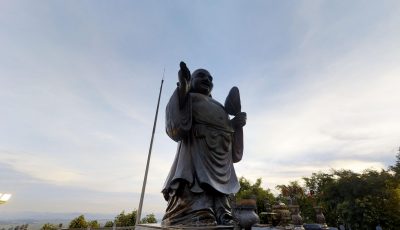
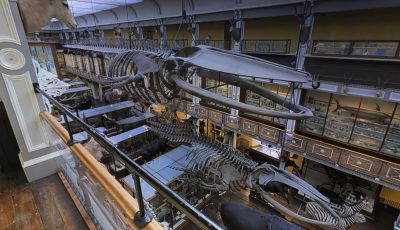
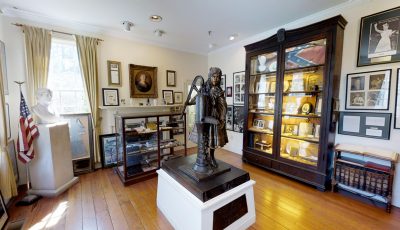
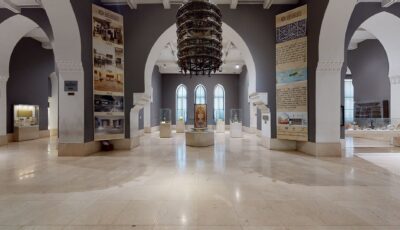
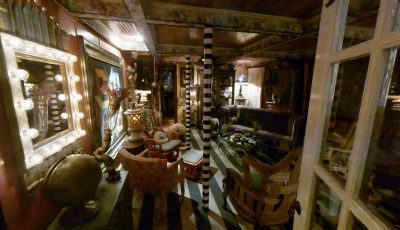
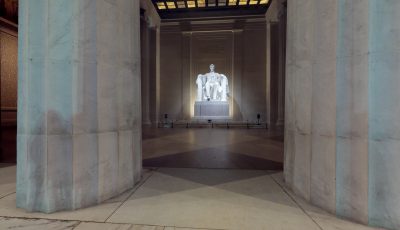
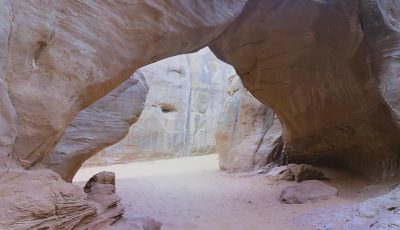
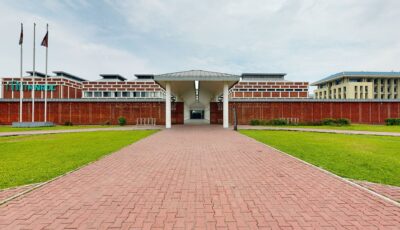
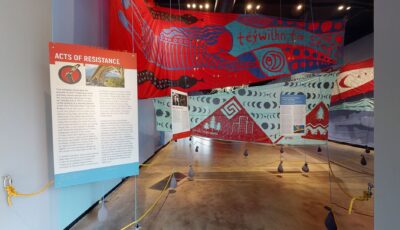
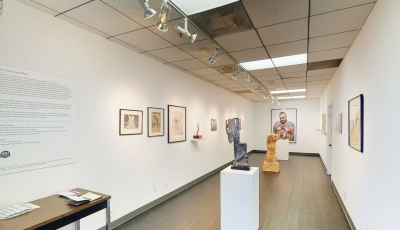
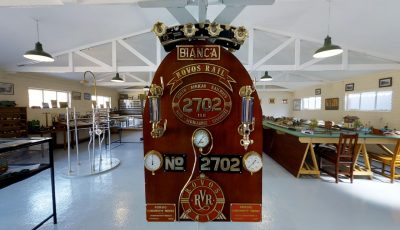
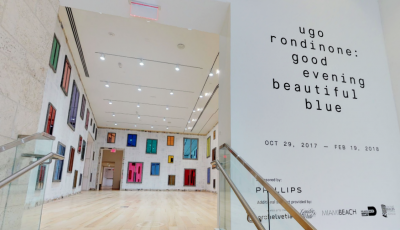
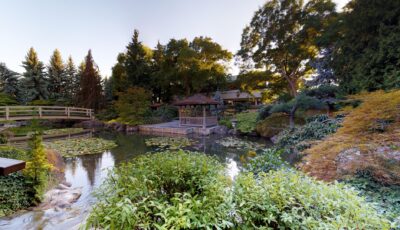
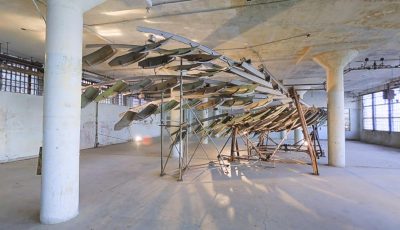
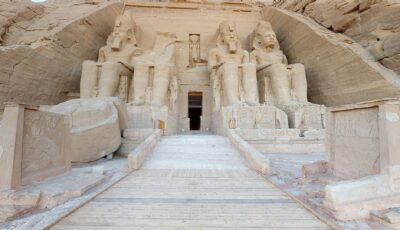
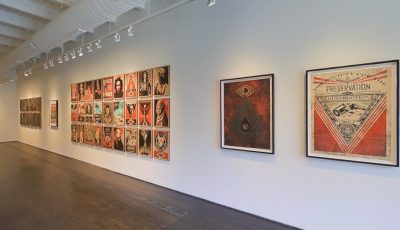
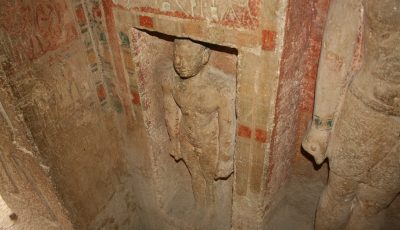
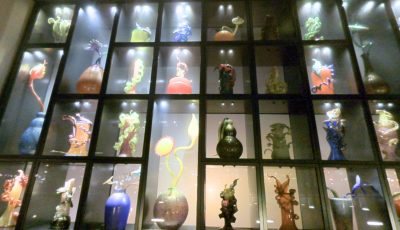
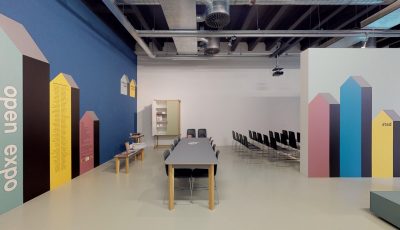
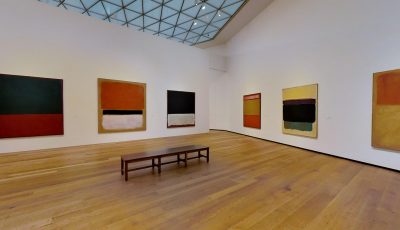
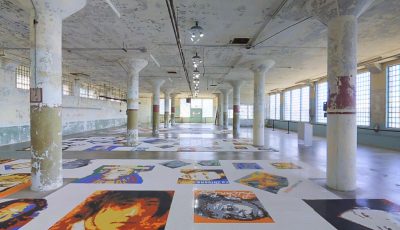
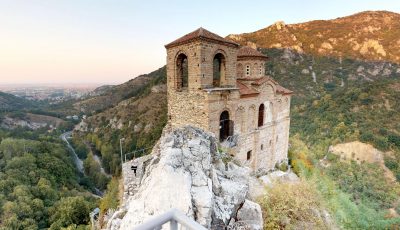
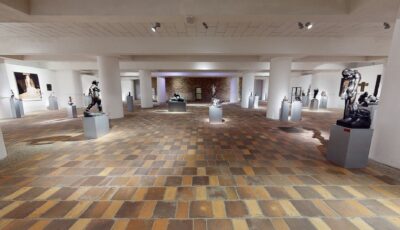
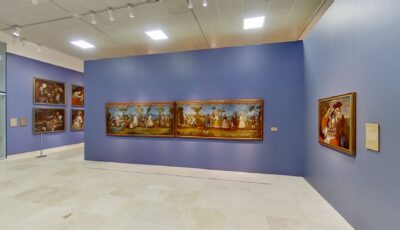
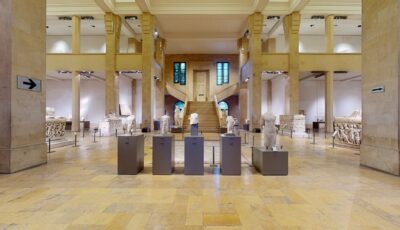
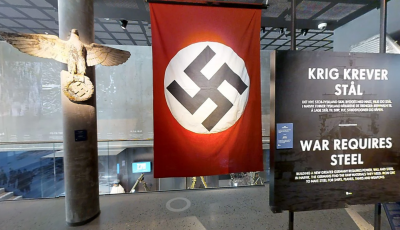
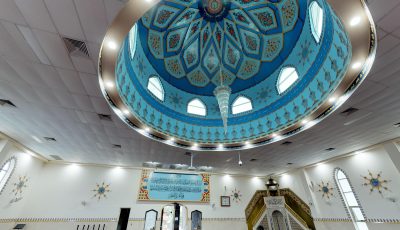
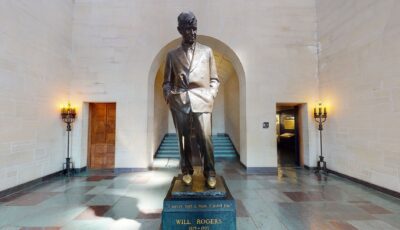
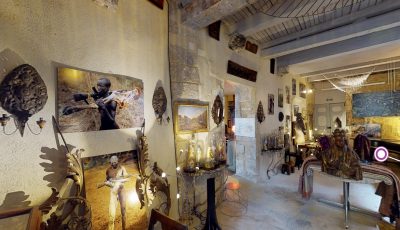
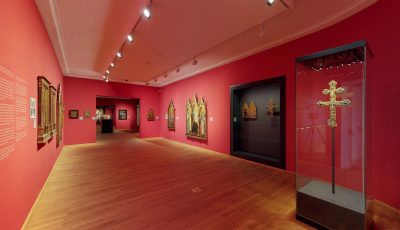
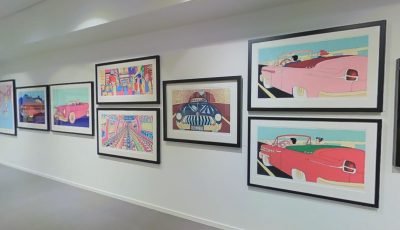
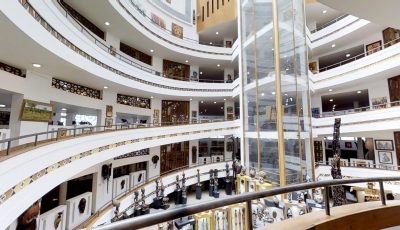
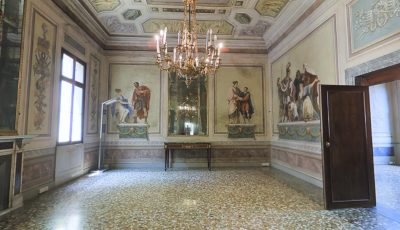
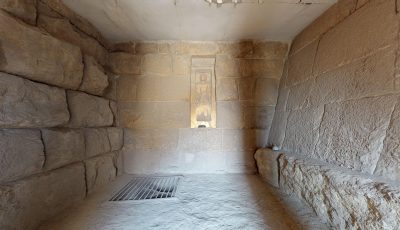
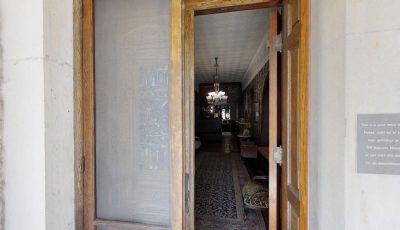
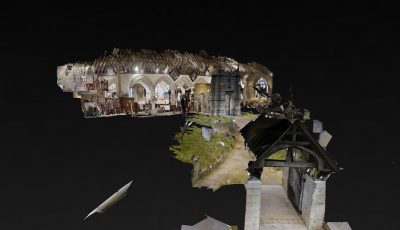
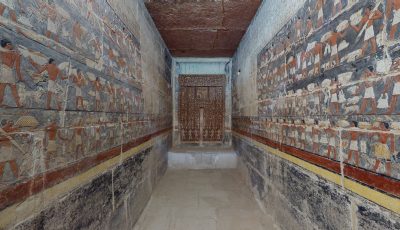
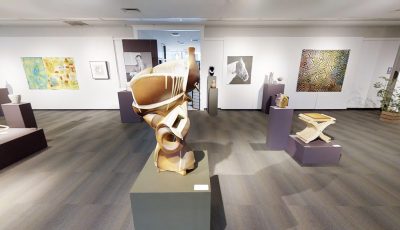
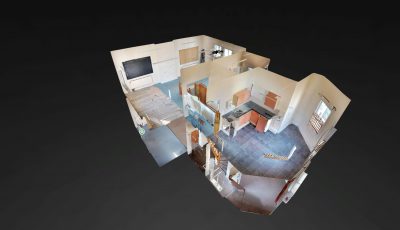
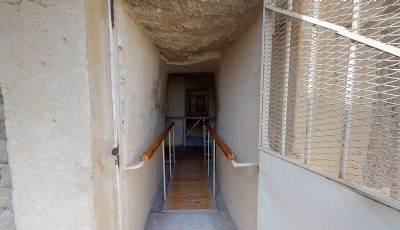
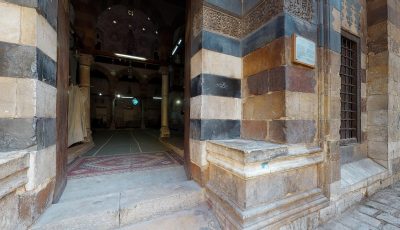
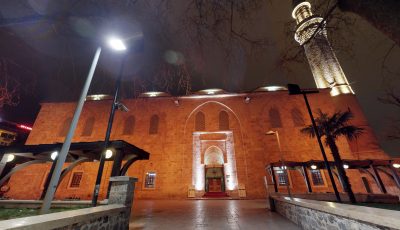
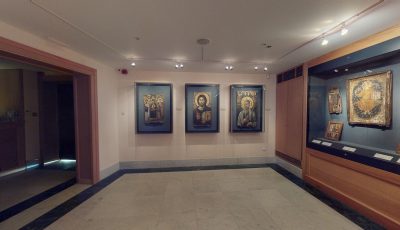
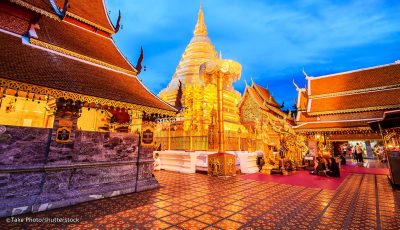
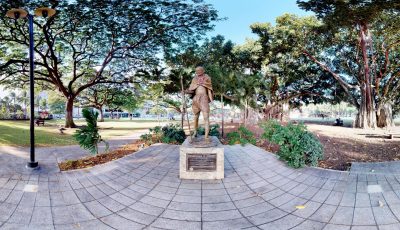
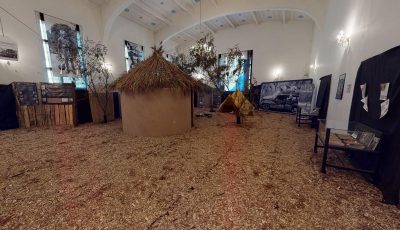
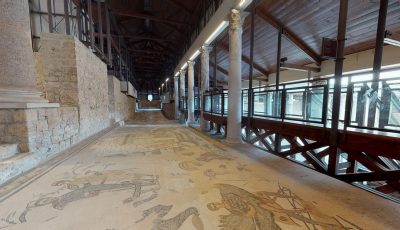
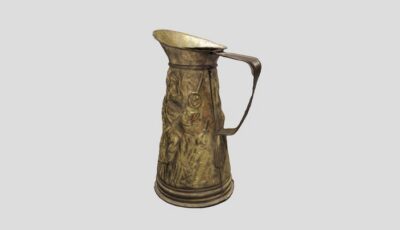
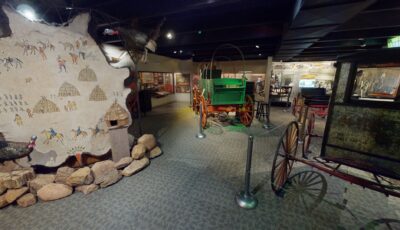
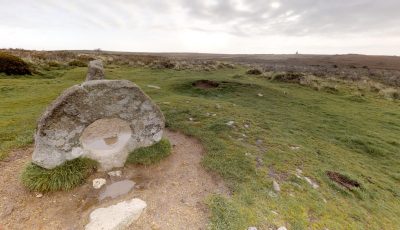
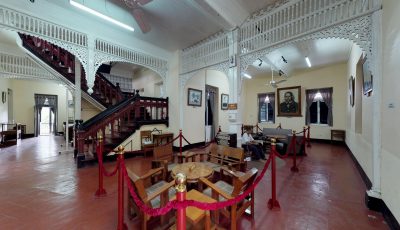
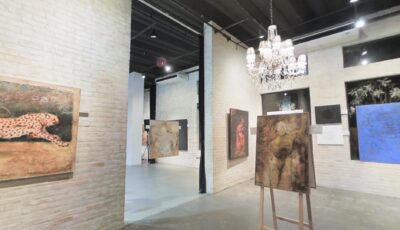
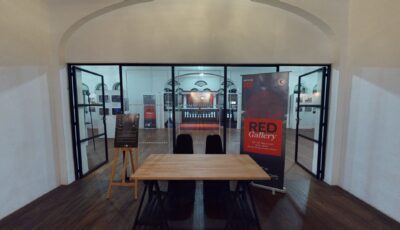
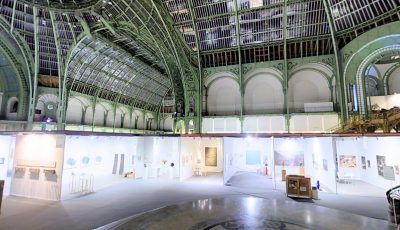
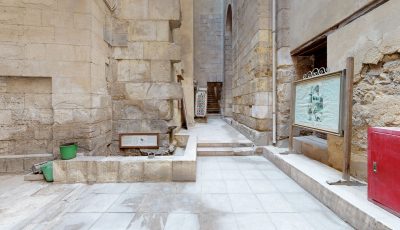
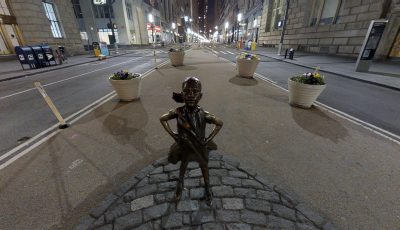
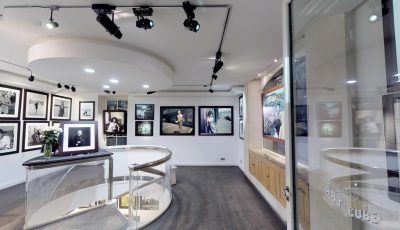
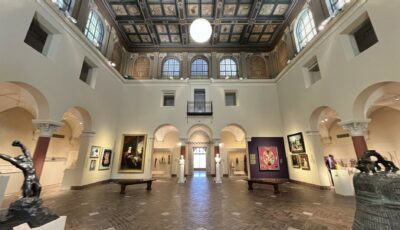
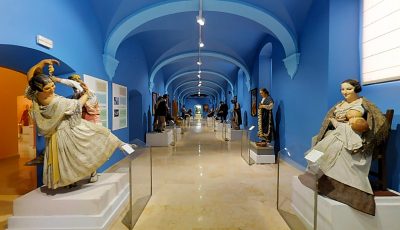
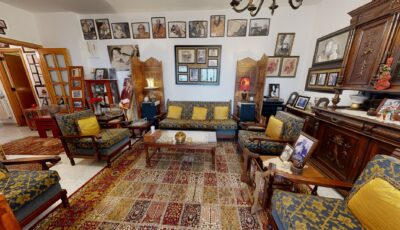
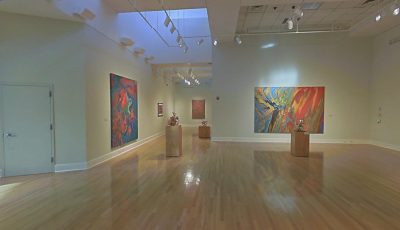
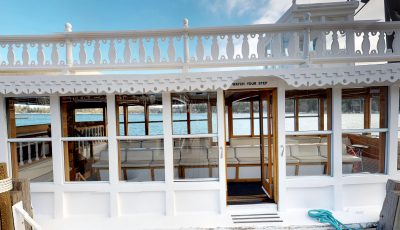
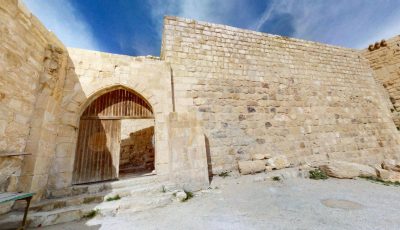
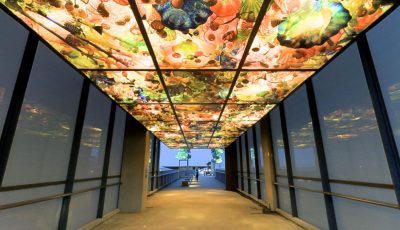
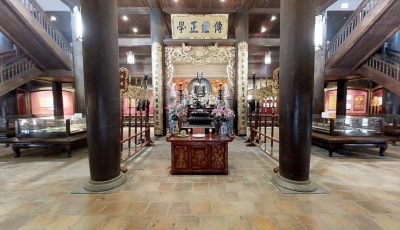
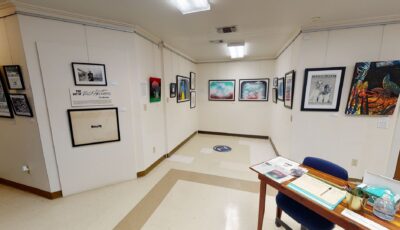
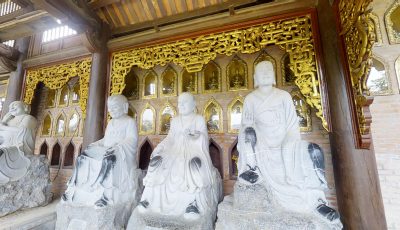
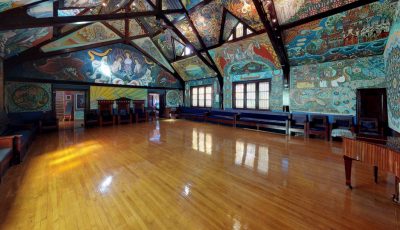
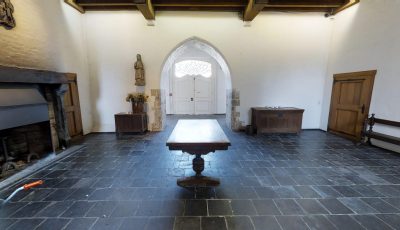
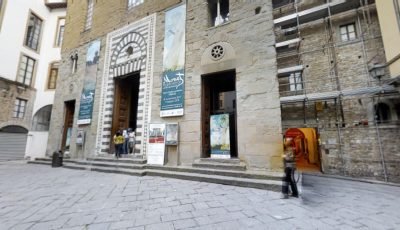
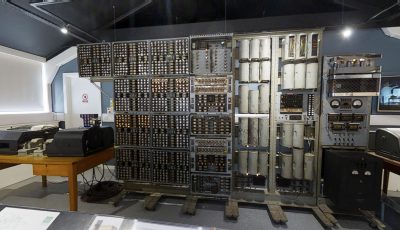
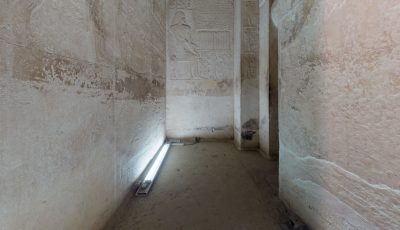
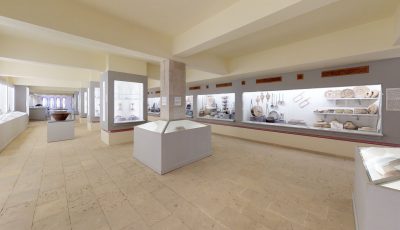
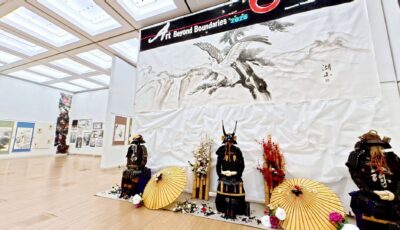
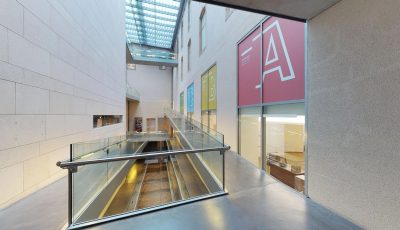
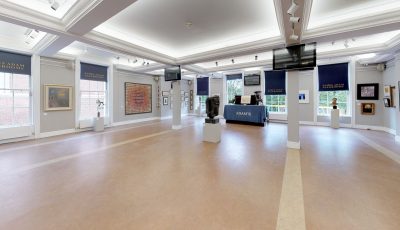
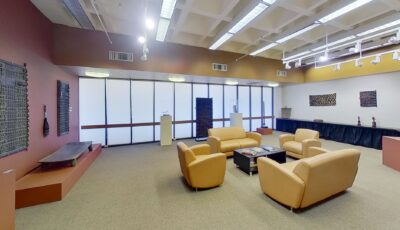
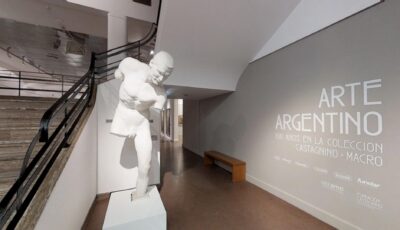
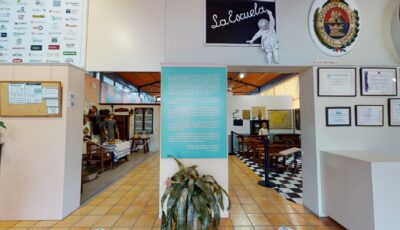
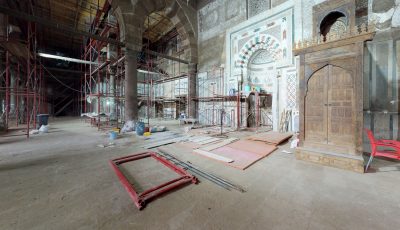
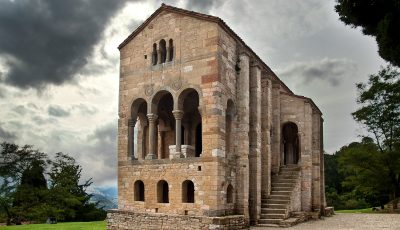
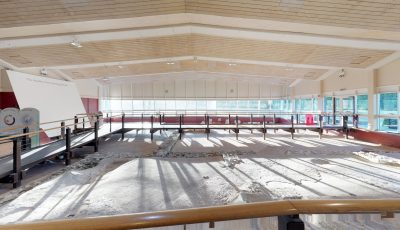
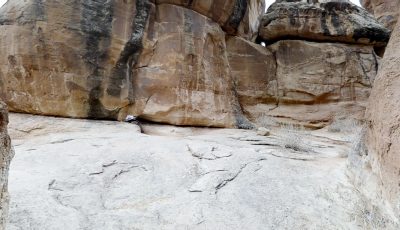
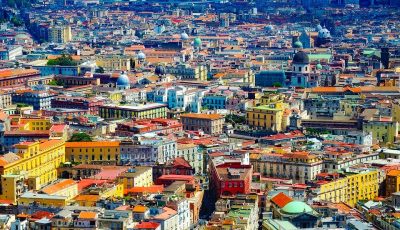
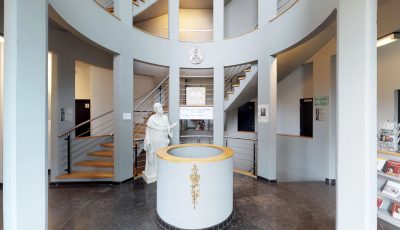
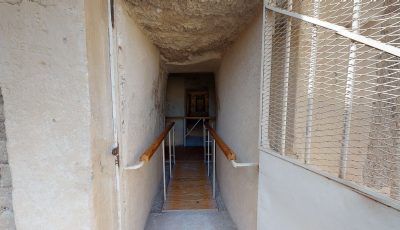
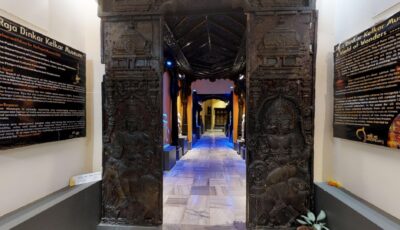
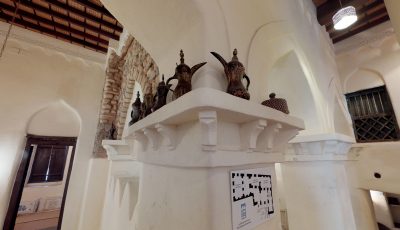
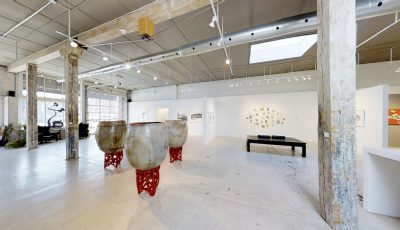
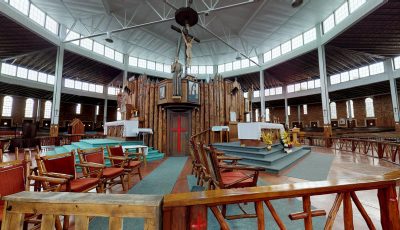
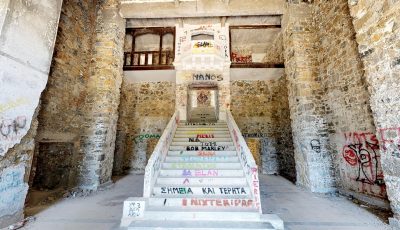
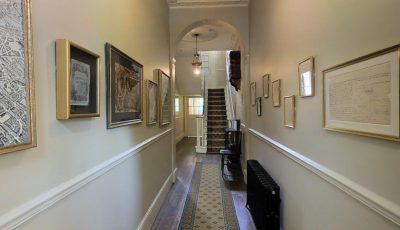
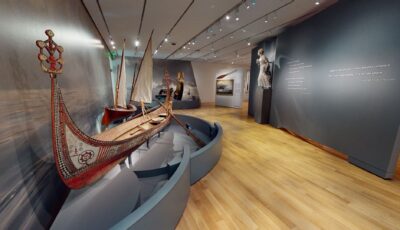
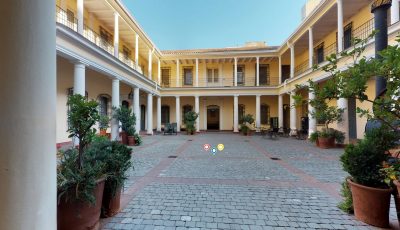
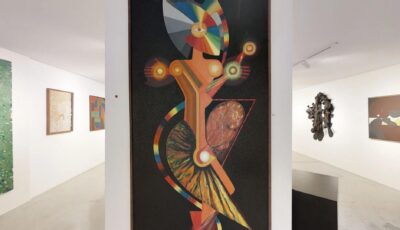
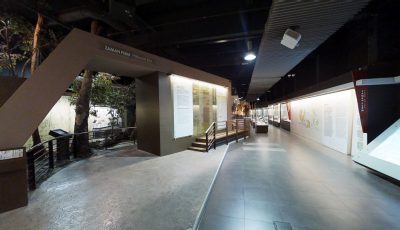
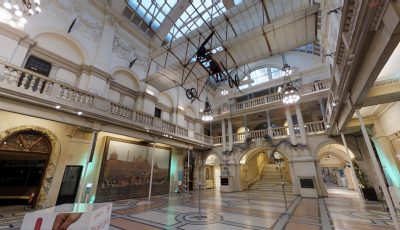
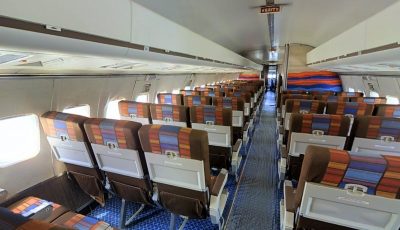
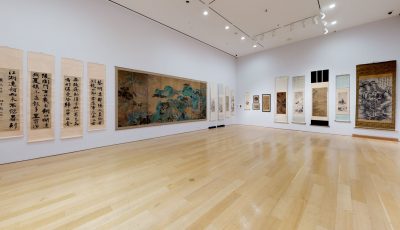
The history of Asian art includes a vast range of arts from various cultures, regions, and religions across the continent of Asia. Asian art is typically divided into broad blocks: East Asian art includes works from China, Japan, Korea and Tibetan art, while Southeast Asian art includes the arts of Cambodia, Indonesia, Laos, Malaysia, Myanmar (Burma), the Philippines, Thailand, and Vietnam. Historically, South Asian art mostly falls under Indian art, which encompasses the arts of the Indian subcontinent, while Central Asian art covers that region. West Asian art encompasses the arts of the Ancient Near East including Mesopotamian art and Persian art, and more recently becoming dominated by Islamic art. In many ways, the history of Eastern art parallels the development of Western art. The art histories of Asia and Europe repeatedly intertwine, with Asian art greatly influencing European art, and vice versa; the Eurasian cultures mixed through methods such as steppe-nomad migrations, followed successively by the Silk Road transmission of art, the cultural exchange of the Age of Discovery and Western colonization, and through the Internet and modern globalization. Excluding prehistoric art, the art of Mesopotamia represents the oldest forms of art in Asia.
Information sourced from Wikipedia, licensed under CC-BY-SA.
Educational Lesson Plans
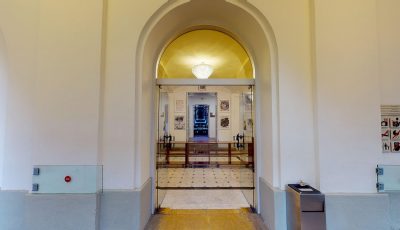
Enhance your classroom experience with our comprehensive educational lesson plans designed to accompany this virtual tour. Each lesson plan aligns with national educational standards and includes pre-tour activities, guided exploration questions, discussion prompts, and post-tour assessment materials. Perfect for grades K-12 and higher education.
Share This Virtual Tour
Know someone who would enjoy this virtual field trip? Share this 3D tour with teachers, students, friends, and family. Virtual field trips make learning accessible to everyone, regardless of location or ability to travel.