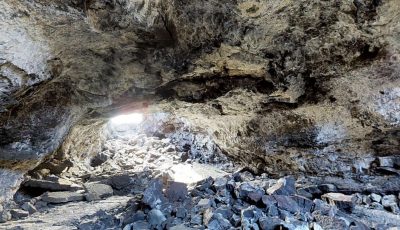
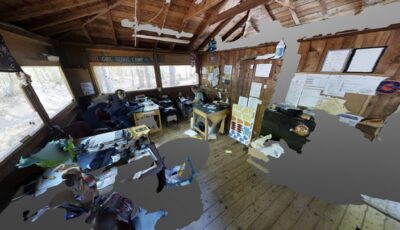
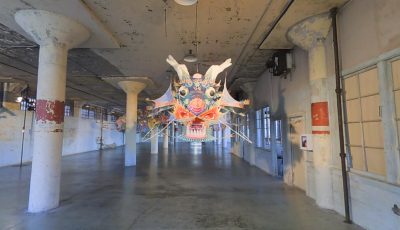
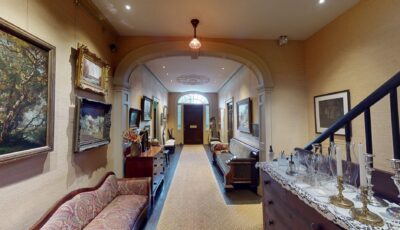
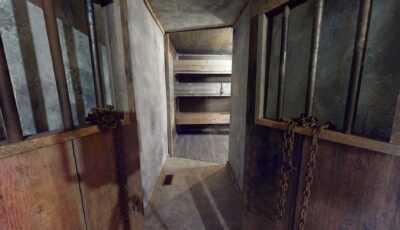
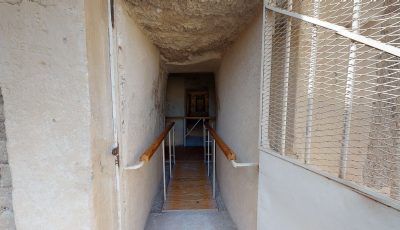
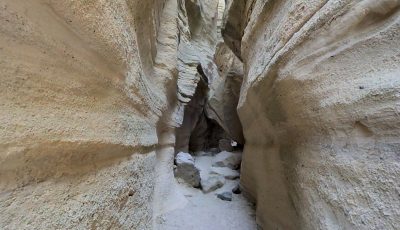
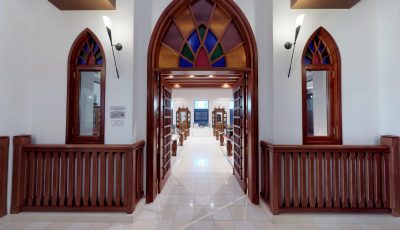
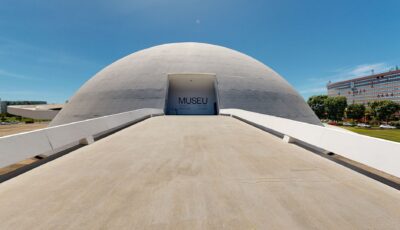
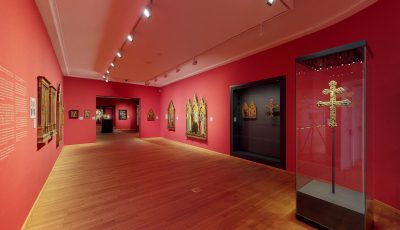
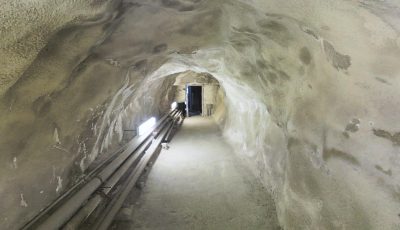
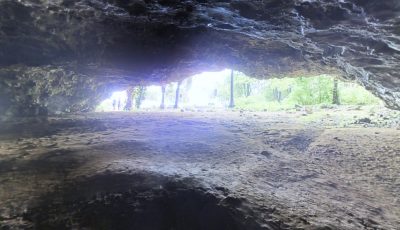
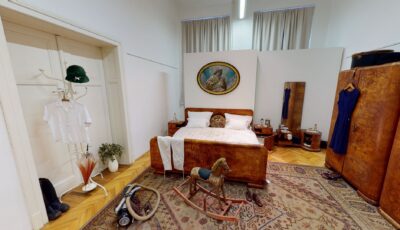
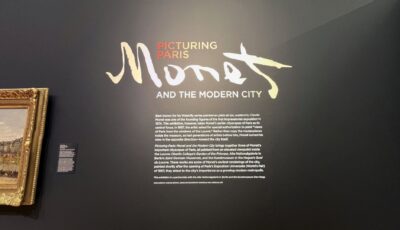
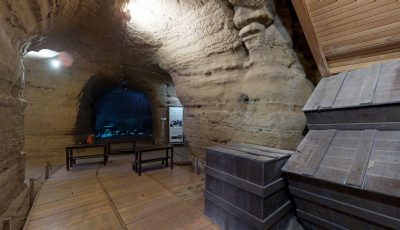
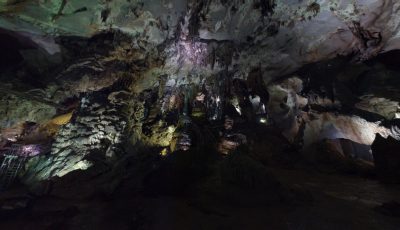
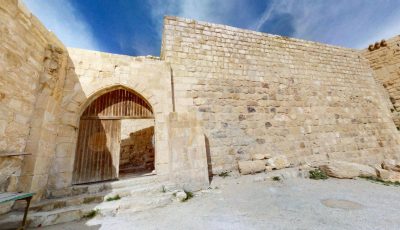
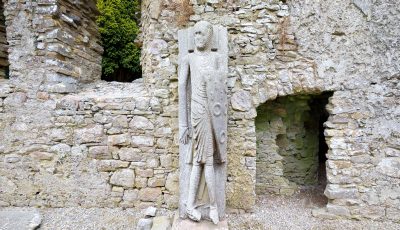
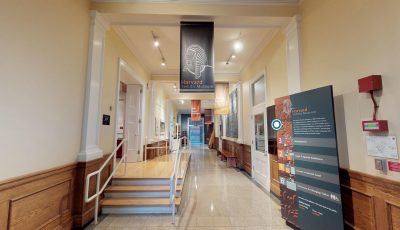
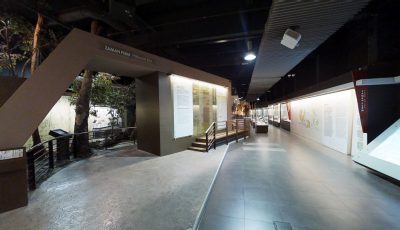
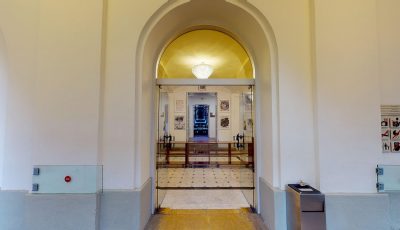
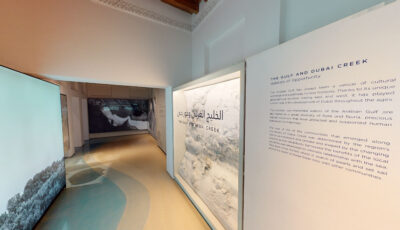
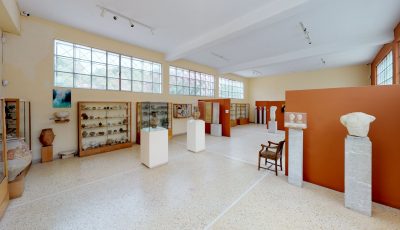
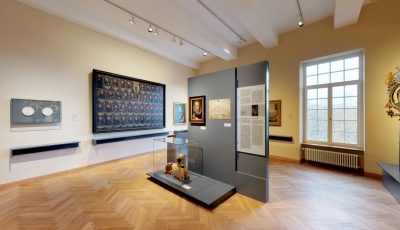
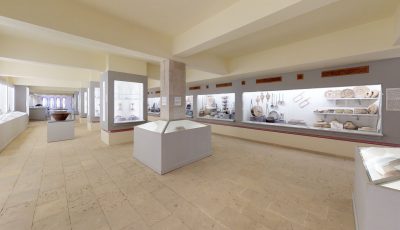
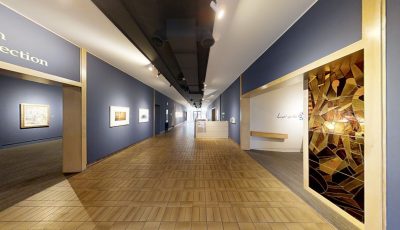
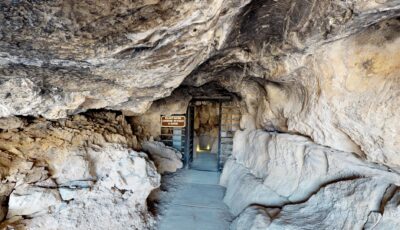
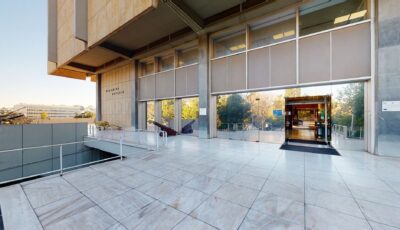
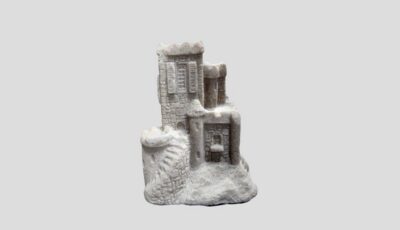
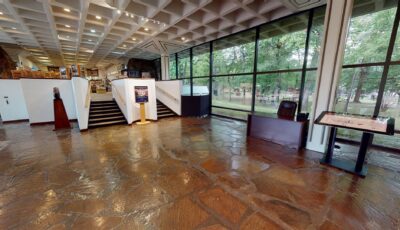
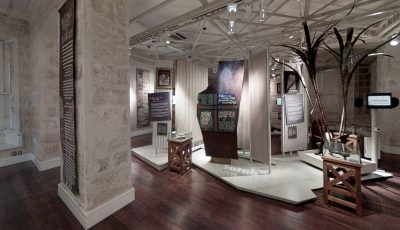
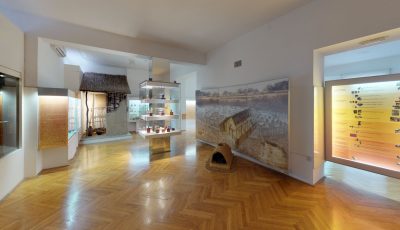
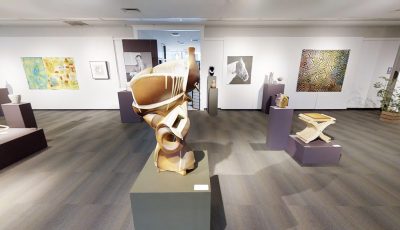
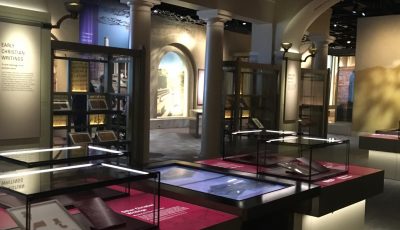
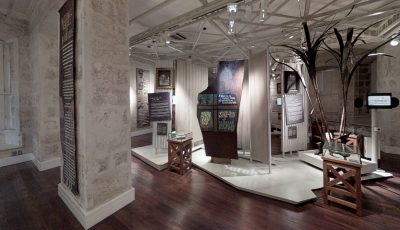
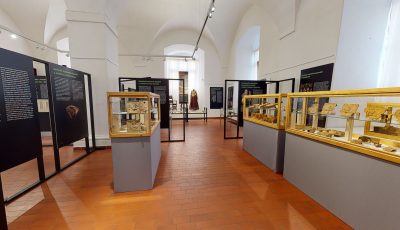
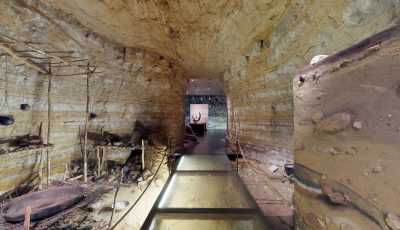
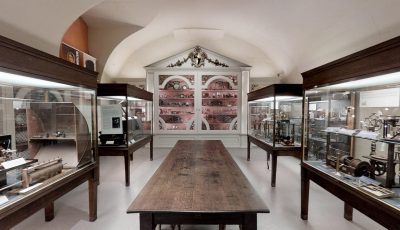
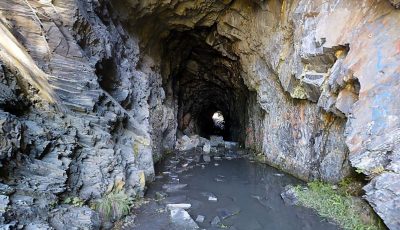
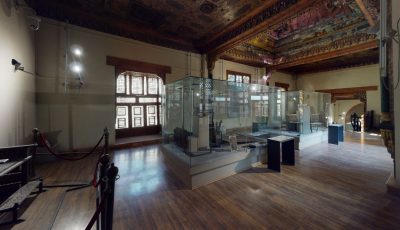
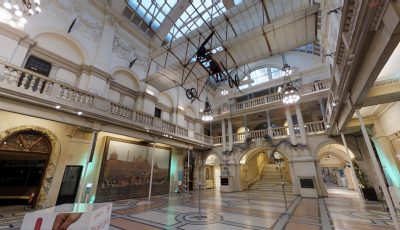
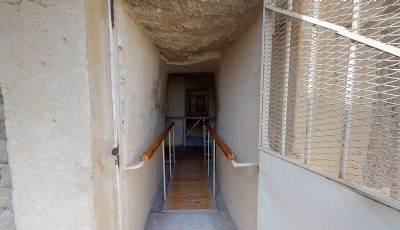
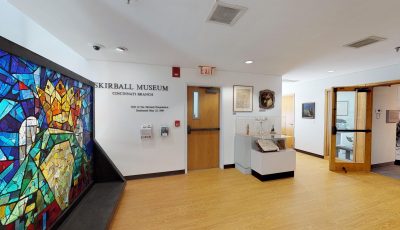
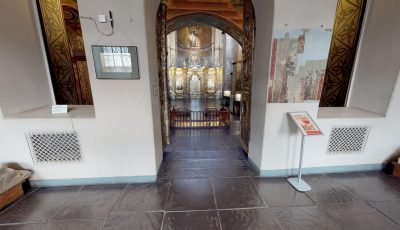
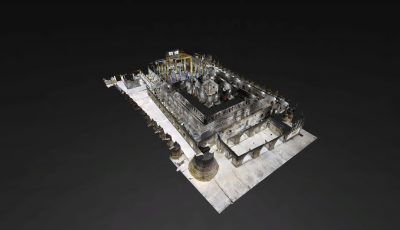
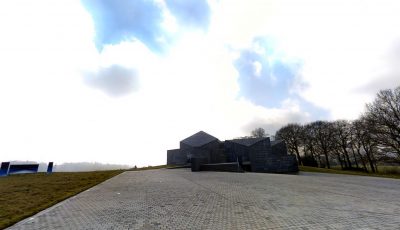
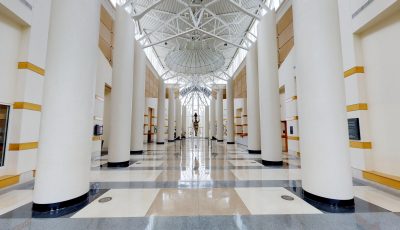
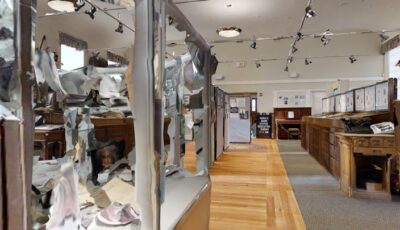
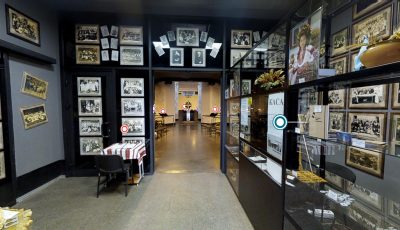
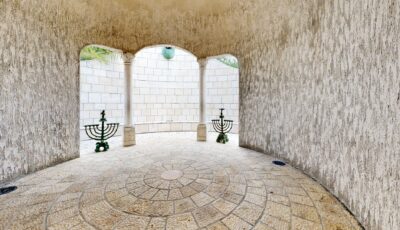
The Dead Sea Scrolls (DSS), in the narrow sense identical with the Qumran Caves Scrolls, are a set of ancient Jewish manuscripts from the Second Temple period. They were discovered over a period of ten years, between 1946 and 1956, at the Qumran Caves near Ein Feshkha in the West Bank, on the northern shore of the Dead Sea. Dating from the 3rd century BCE to the 1st century CE, the Dead Sea Scrolls include the oldest surviving manuscripts of entire books later included in the various Jewish and Christian biblical canons, including deuterocanonical manuscripts from late Second Temple Judaism, as well as extrabiblical books. As such, they cast new light on the emergence of Rabbinic Judaism and of Christianity, and their relationship with Jewish religious traditions. In the wider sense, the Dead Sea Scrolls also include similar findings from elsewhere in the Judaean Desert, and are sometimes called Judaean Desert scrolls. Some of the scrolls found outside Qumran are from later centuries. Almost all of the 15,000 scrolls and scroll fragments are held in the Shrine of the Book at the Israel Museum in Jerusalem.
Information sourced from Wikipedia, licensed under CC-BY-SA.
Educational Lesson Plans
Enhance your classroom experience with our comprehensive educational lesson plans designed to accompany this virtual tour. Each lesson plan aligns with national educational standards and includes pre-tour activities, guided exploration questions, discussion prompts, and post-tour assessment materials. Perfect for grades K-12 and higher education.
Share This Virtual Tour
Know someone who would enjoy this virtual field trip? Share this 3D tour with teachers, students, friends, and family. Virtual field trips make learning accessible to everyone, regardless of location or ability to travel.