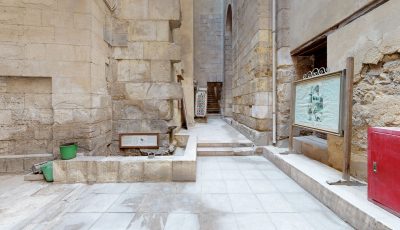
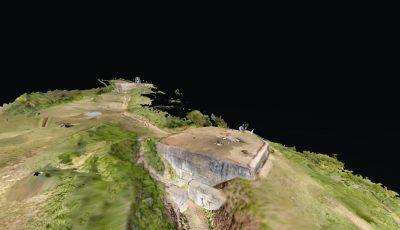
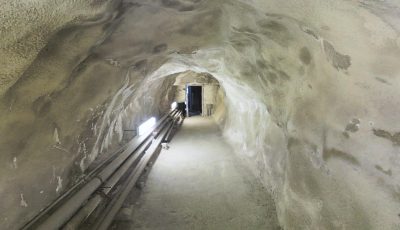
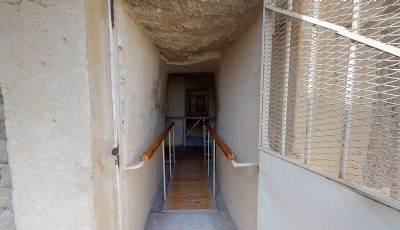
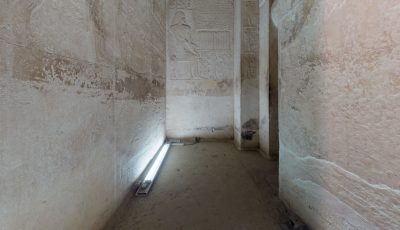
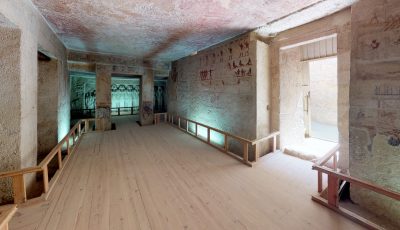
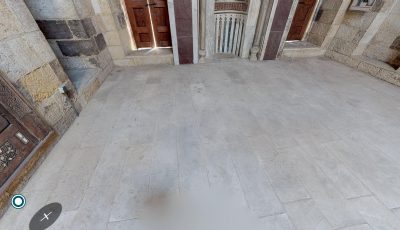
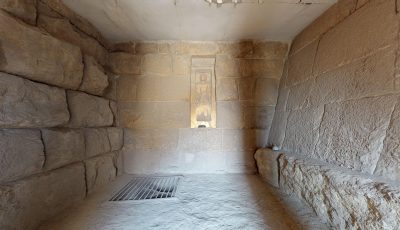
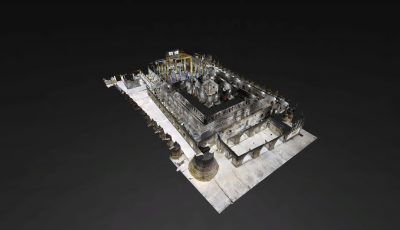
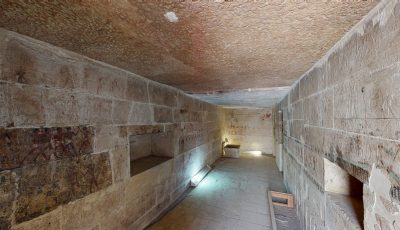
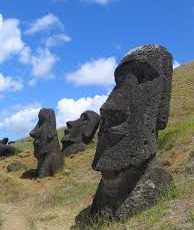
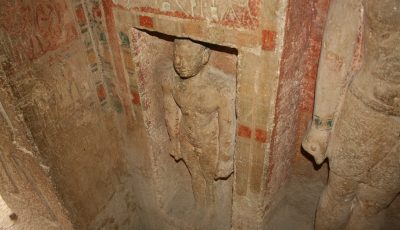
Abu Simbel is a historic site comprising two massive rock-cut temples in the village of Abu Simbel (Arabic: ??? ????), Aswan Governorate, Upper Egypt, near the border with Sudan. It is located on the western bank of Lake Nasser, about 230 km (140 mi) southwest of Aswan (about 300 km (190 mi) by road). Its latitude of 22° 20? 13? N (22.3369 °N) is 1.0978°, which are 122 km (75.8 ml), south of the tropic of Cancer. The twin temples were originally carved out of the mountainside in the 13th century BC, during the 19th Dynasty reign of the Pharaoh Ramesses II. Their huge external rock relief figures of Ramesses II have become iconic. His wife, Nefertari, and children can be seen in smaller figures by his feet. Sculptures inside the Great Temple commemorate Ramesses II’s heroic leadership at the Battle of Kadesh. The complex was relocated in its entirety in 1968 to higher ground to avoid it being submerged by Lake Nasser, the Aswan Dam reservoir. As part of the International Campaign to Save the Monuments of Nubia, an artificial hill was made from a domed structure to house the Abu Simbel Temples, under the supervision of a Polish archaeologist, Kazimierz Micha?owski, from the Polish Centre of Mediterranean Archaeology University of Warsaw. The Abu Simbel complex, and other relocated temples from Nubian sites such as Philae, Amada, Wadi es-Sebua, are part of the UNESCO World Heritage Site known as the Nubian Monuments.
Information sourced from Wikipedia, licensed under CC-BY-SA.
Educational Lesson Plans
Enhance your classroom experience with our comprehensive educational lesson plans designed to accompany this virtual tour. Each lesson plan aligns with national educational standards and includes pre-tour activities, guided exploration questions, discussion prompts, and post-tour assessment materials. Perfect for grades K-12 and higher education.
Share This Virtual Tour
Know someone who would enjoy this virtual field trip? Share this 3D tour with teachers, students, friends, and family. Virtual field trips make learning accessible to everyone, regardless of location or ability to travel.