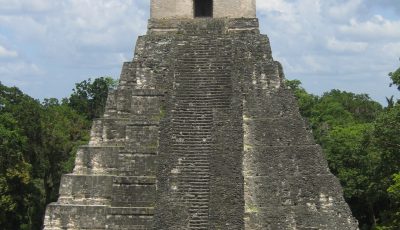
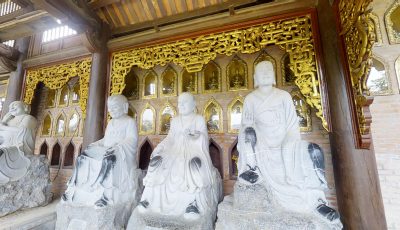
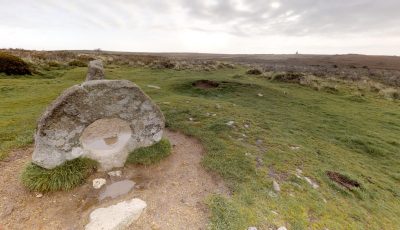
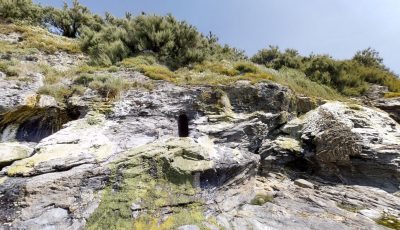
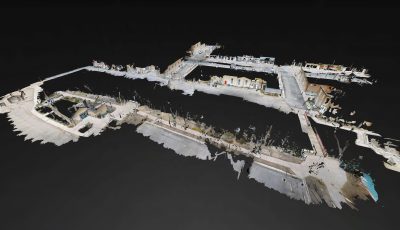
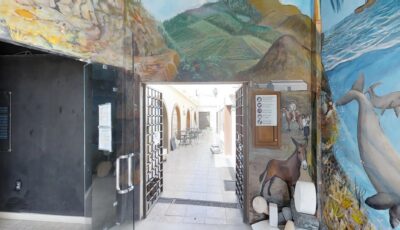
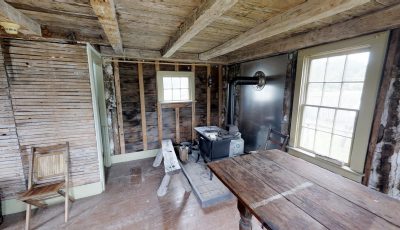
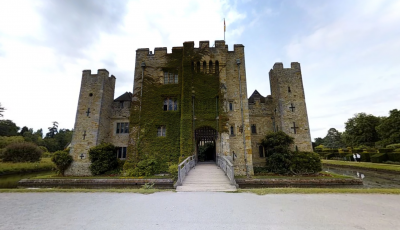
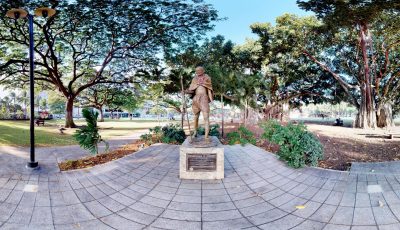
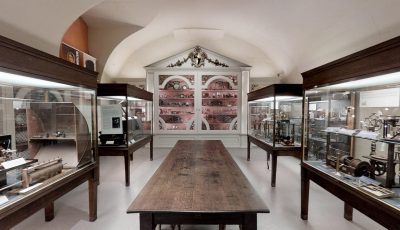
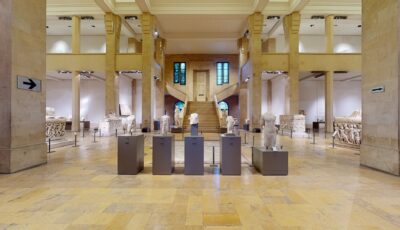
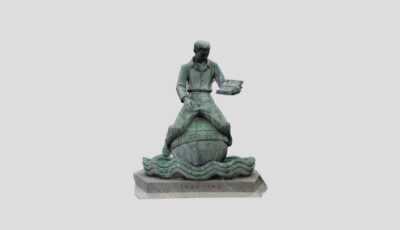
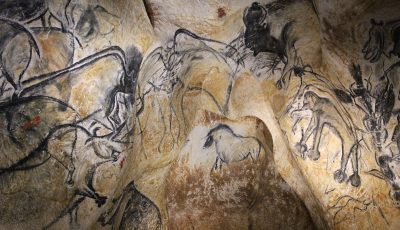
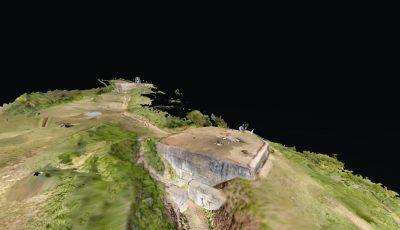
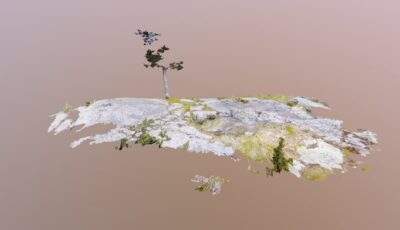
Easter Island (Spanish: Isla de Pascua, [?izla ðe ?paskwa]; Rapa Nui: Rapa Nui, [??apa ?nu.i]) is an island and special territory of Chile in the southeastern Pacific Ocean, at the southeasternmost point of the Polynesian Triangle in Oceania. The island is renowned for its nearly 1,000 extant monumental statues, called moai, which were created by the early Rapa Nui people. In 1995, UNESCO named Easter Island a World Heritage Site, with much of the island protected within Rapa Nui National Park. Easter Island is also the only territory in Polynesia where Spanish is an official language. Experts differ on when the island’s Polynesian inhabitants first reached the island. While many researchers cited evidence that they arrived around the year 800, a 2007 study provided compelling evidence suggesting their arrival was closer to 1200. The inhabitants created a thriving and industrious culture, as evidenced by the island’s numerous enormous stone moai and other artifacts. Land clearing for cultivation and the introduction of the Polynesian rat led to gradual deforestation. By the time of European arrival in 1722, the island’s population was estimated to be 2,000 to 3,000. European diseases, Peruvian slave raiding expeditions in the 1860s, and emigration to other islands such as Tahiti further depleted the population, reducing it to a low of 111 native inhabitants in 1877. Chile annexed Easter Island in 1888. In 1966, the Rapa Nui were granted Chilean citizenship.
Information sourced from Wikipedia, licensed under CC-BY-SA.
Educational Lesson Plans
Enhance your classroom experience with our comprehensive educational lesson plans designed to accompany this virtual tour. Each lesson plan aligns with national educational standards and includes pre-tour activities, guided exploration questions, discussion prompts, and post-tour assessment materials. Perfect for grades K-12 and higher education.
Share This Virtual Tour
Know someone who would enjoy this virtual field trip? Share this 3D tour with teachers, students, friends, and family. Virtual field trips make learning accessible to everyone, regardless of location or ability to travel.