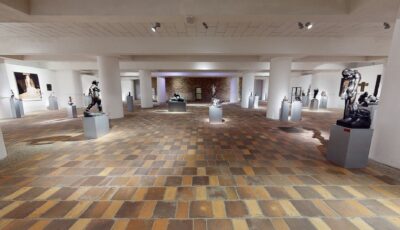
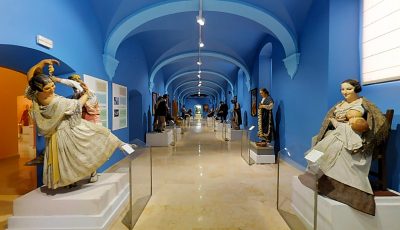
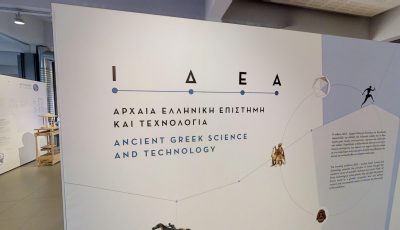
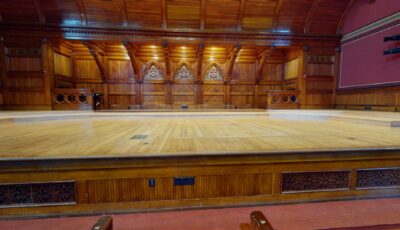
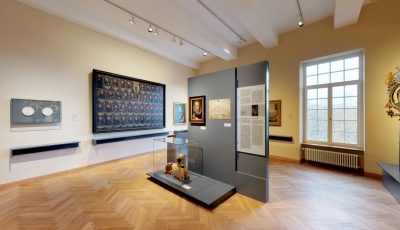
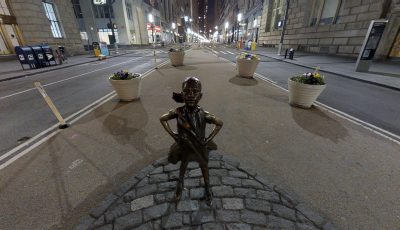
In ancient Greek religion and mythology, the Muses (Ancient Greek: ??????, romanized: Moúsai, [?mu?.sai?]; singular: ?????, Moúsa, [?mu?.sa]; Greek: ??????, romanized: Múses, [?mu?.ses]) were the inspirational goddesses of literature, science, and the arts. They were considered the source of the knowledge embodied in the poetry, lyric songs, and myths that were related orally for centuries in ancient Greek culture. The number and names of the Muses differed by region, but from the Classical period the number of Muses was standardized to nine, and their names were generally given as Calliope, Clio, Polyhymnia, Euterpe, Terpsichore, Erato, Melpomene, Thalia, and Urania. In modern figurative usage, a muse is a person who serves as someone’s source of artistic inspiration.
Information sourced from Wikipedia, licensed under CC-BY-SA.
Educational Lesson Plans
Enhance your classroom experience with our comprehensive educational lesson plans designed to accompany this virtual tour. Each lesson plan aligns with national educational standards and includes pre-tour activities, guided exploration questions, discussion prompts, and post-tour assessment materials. Perfect for grades K-12 and higher education.
Share This Virtual Tour
Know someone who would enjoy this virtual field trip? Share this 3D tour with teachers, students, friends, and family. Virtual field trips make learning accessible to everyone, regardless of location or ability to travel.