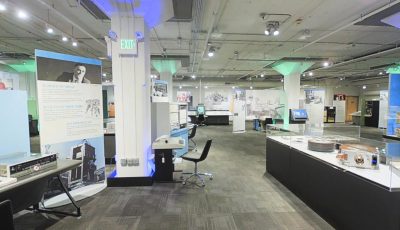
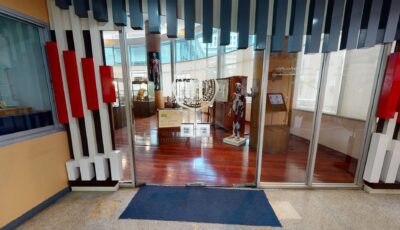
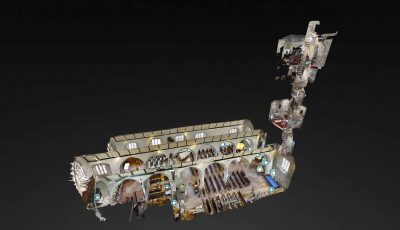
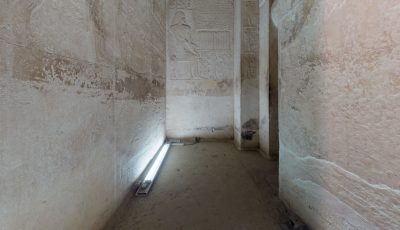
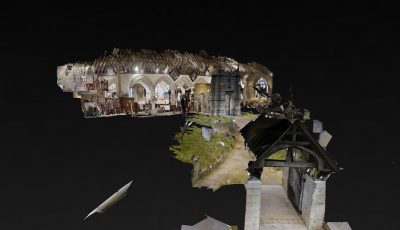
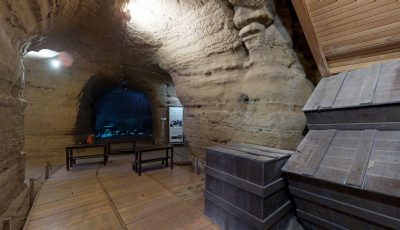
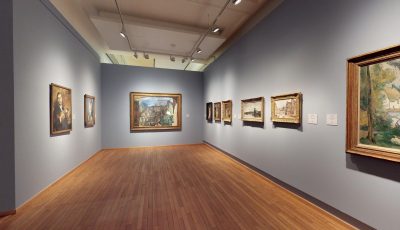
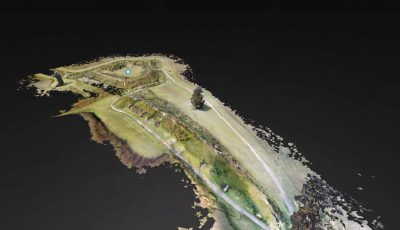
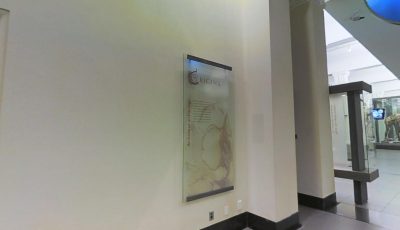
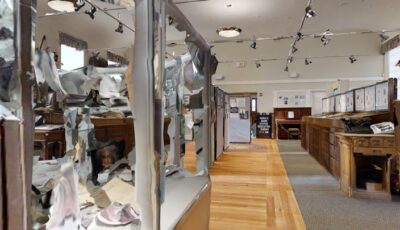
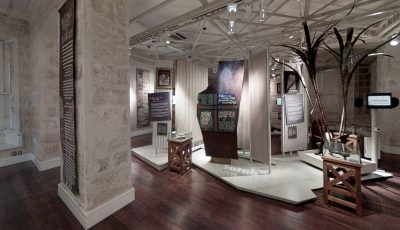
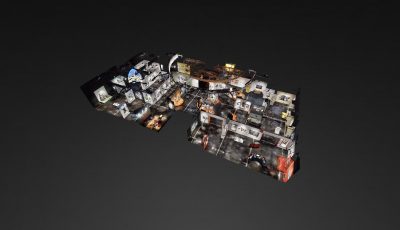
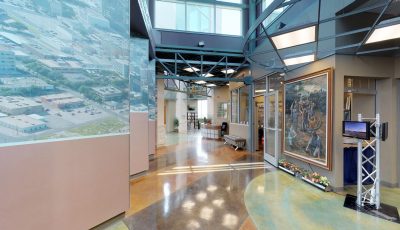
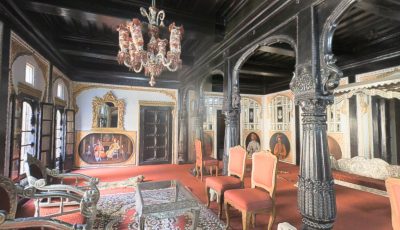
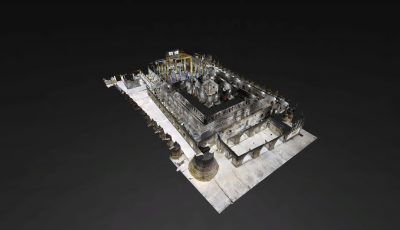
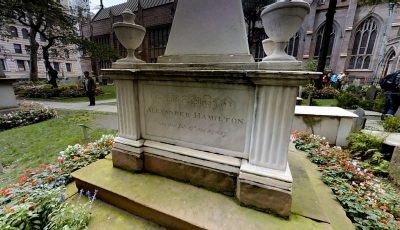
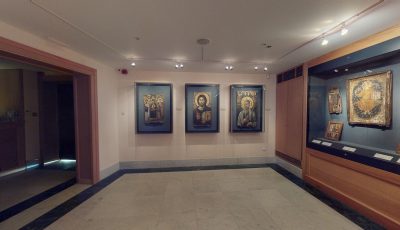
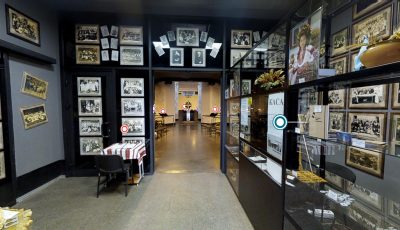
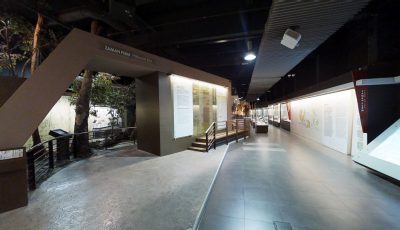
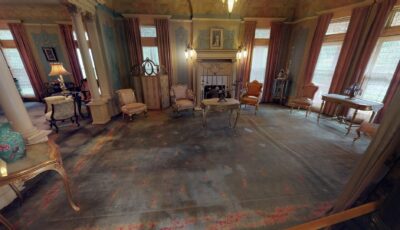
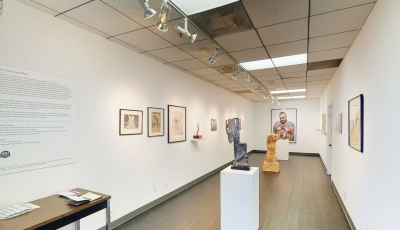
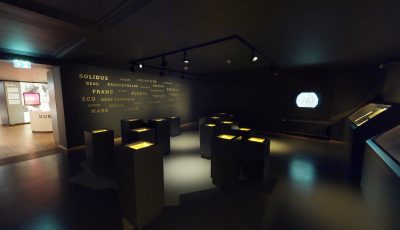
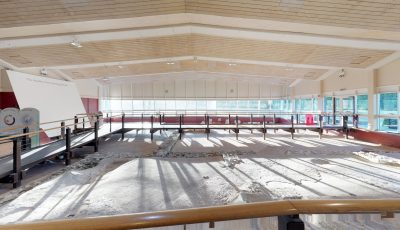
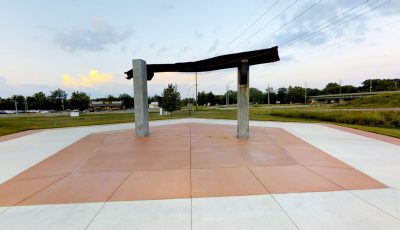
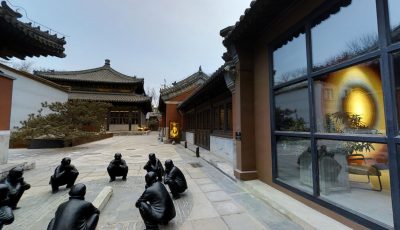
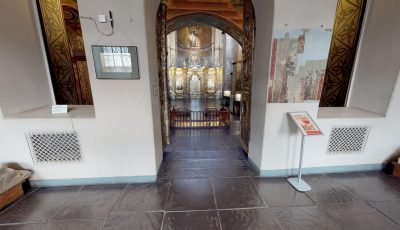
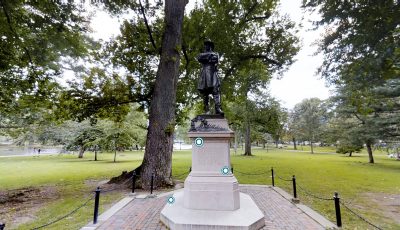
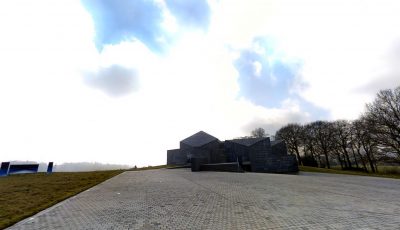
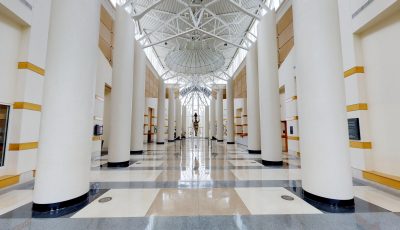
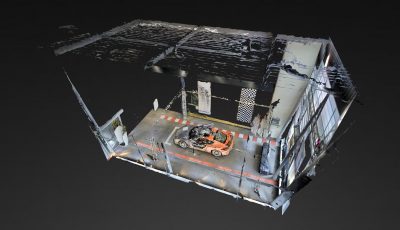
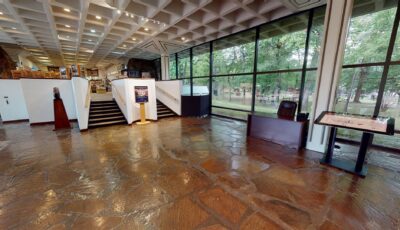
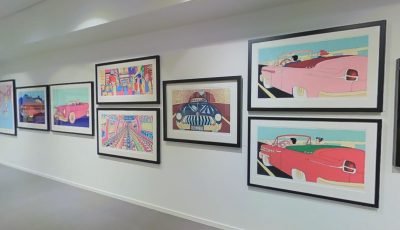
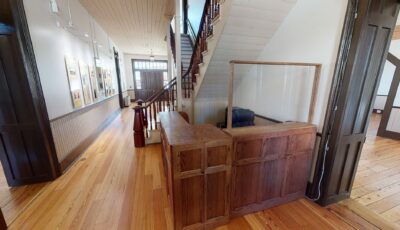
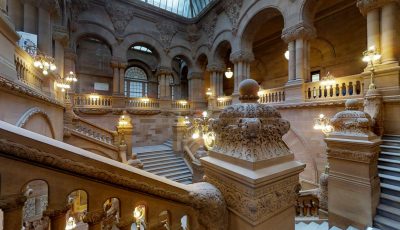
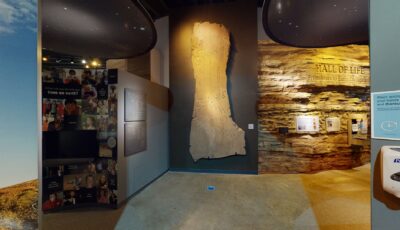
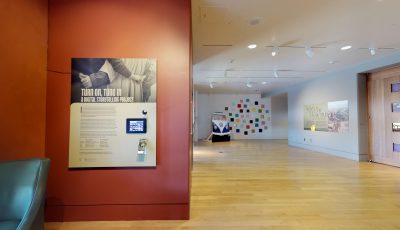
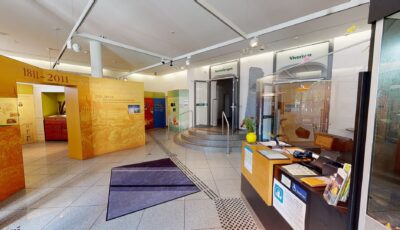
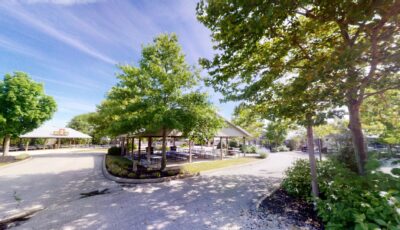
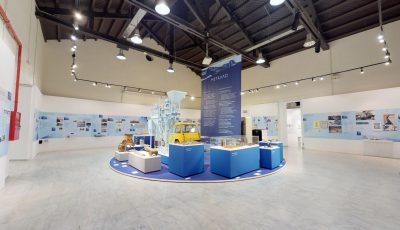
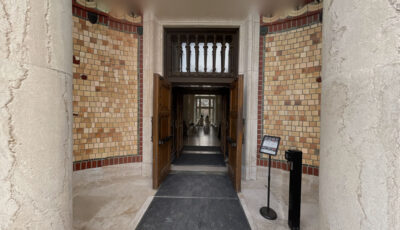
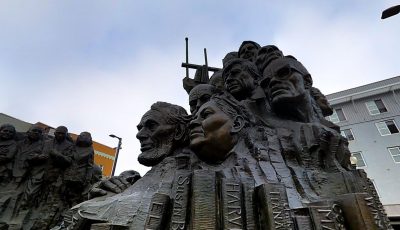
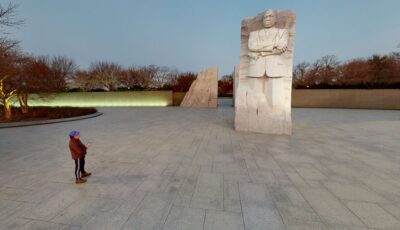
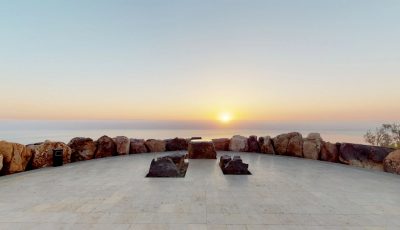
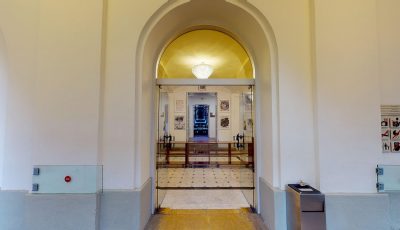
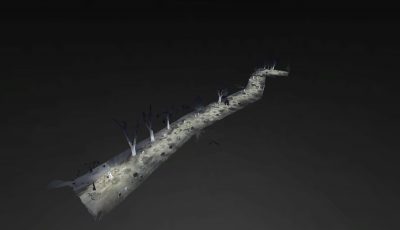
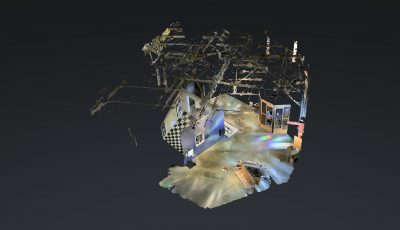
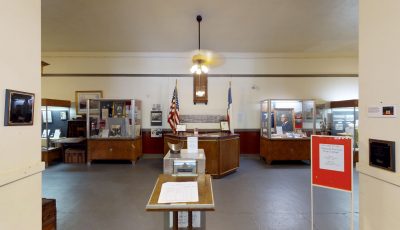
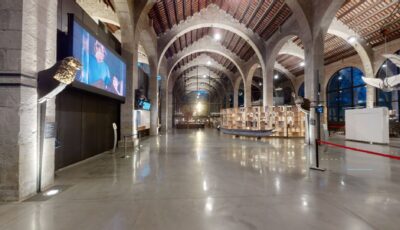
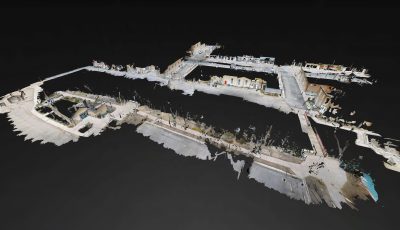
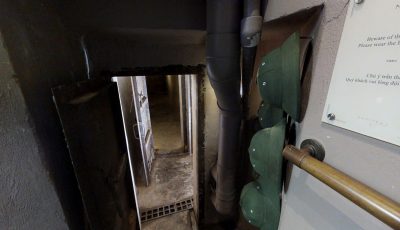
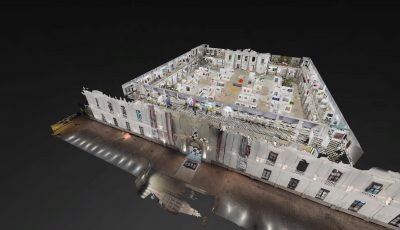
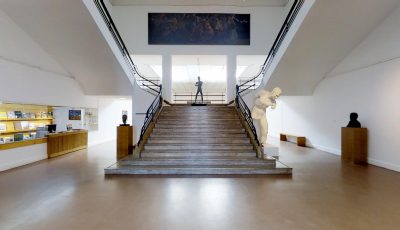
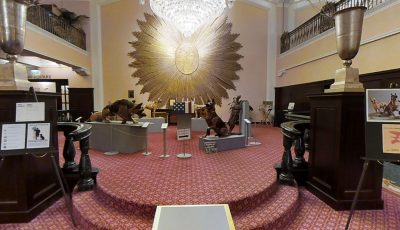
The National Holocaust Monument (French: Monument national de l’Holocauste) is a Holocaust memorial in Ottawa, Ontario, across from the Canadian War Museum at the northeast corner of Wellington and Booth Streets, and about 1.5 km away from Parliament Hill. The memorial was designed by Daniel Libeskind. The National Holocaust Monument Act (Bill C-442), which established plans to create the memorial in Canada’s capital, received Royal Assent on March 25, 2011. The law was introduced as a private members bill by Tim Uppal, Minister of State and MP for Edmonton—Sherwood Park and received unanimous support. The monument features a view of the Peace Tower and photographs by Edward Burtynsky. The team was led by Lord Cultural Resources. Claude Cormier also lent his expertise; Cormier was initially reluctant to participate, but Libeskind persuaded him to join the project, hoping that Cormier would bring a sense of “hope and optimism.” The monument is overseen by the National Capital Commission. The monument was planned to be unveiled in the fall of 2015, but later pushed back to the spring of 2017 due to delays in construction. The official unveiling occurred on September 27, 2017. In 2017, when the National Holocaust Monument of Canada was unveiled in Ottawa, the opening plaque made no mention of the six million Jews killed by the Nazis. Subsequently, chair, Rabbi Dr. Daniel Friedman took responsibility for the error.
Information sourced from Wikipedia, licensed under CC-BY-SA.
Educational Lesson Plans
Enhance your classroom experience with our comprehensive educational lesson plans designed to accompany this virtual tour. Each lesson plan aligns with national educational standards and includes pre-tour activities, guided exploration questions, discussion prompts, and post-tour assessment materials. Perfect for grades K-12 and higher education.
Share This Virtual Tour
Know someone who would enjoy this virtual field trip? Share this 3D tour with teachers, students, friends, and family. Virtual field trips make learning accessible to everyone, regardless of location or ability to travel.