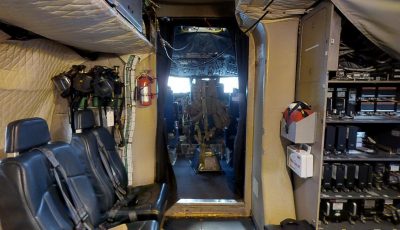
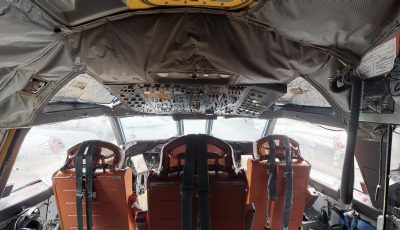
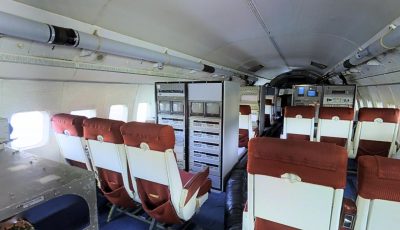
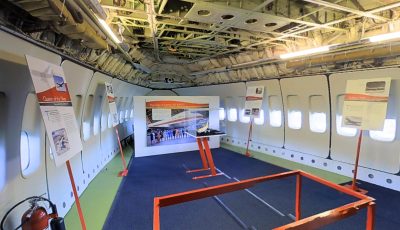
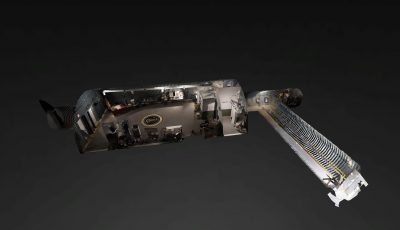
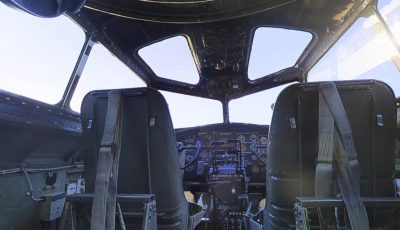
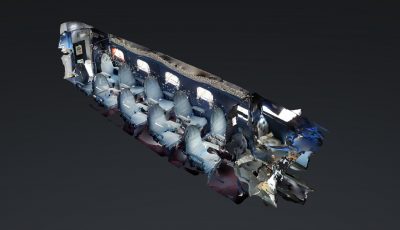
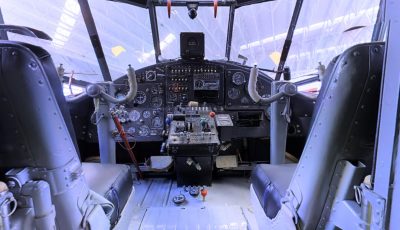
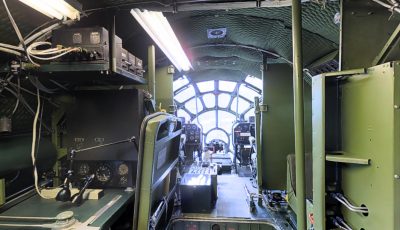
The Consolidated B-24 Liberator is an American heavy bomber, designed by Consolidated Aircraft of San Diego, California. It was known within the company as the Model 32, and some initial production aircraft were laid down as export models designated as various LB-30s, in the Land Bomber design category. At its inception, the B-24 was a modern design featuring a highly efficient shoulder-mounted, high aspect ratio Davis wing. The wing gave the Liberator a high cruise speed, long range and the ability to carry a heavy bomb load. In comparison with its contemporaries, the B-24 was relatively difficult to fly and had poor low-speed performance; it also had a lower ceiling (28,000ft) and was less robust than the Boeing B-17 Flying Fortress. While aircrews tended to prefer the B-17, General Staff favored the B-24 and procured it in huge numbers for a wide variety of roles. At approximately 18,500 units – including 8,685 manufactured by Ford Motor Company – it holds records as the world’s most produced bomber, heavy bomber, multi-engine aircraft, and American military aircraft in history. The B-24 was used extensively in World War II, where it served in every branch of the American armed forces, as well as several Allied air forces and navies. It saw use in every theater of operations. Along with the B-17, the B-24 was the mainstay of the US strategic bombing campaign in the Western European theater.
Information sourced from Wikipedia, licensed under CC-BY-SA.
Educational Lesson Plans
Enhance your classroom experience with our comprehensive educational lesson plans designed to accompany this virtual tour. Each lesson plan aligns with national educational standards and includes pre-tour activities, guided exploration questions, discussion prompts, and post-tour assessment materials. Perfect for grades K-12 and higher education.
Share This Virtual Tour
Know someone who would enjoy this virtual field trip? Share this 3D tour with teachers, students, friends, and family. Virtual field trips make learning accessible to everyone, regardless of location or ability to travel.