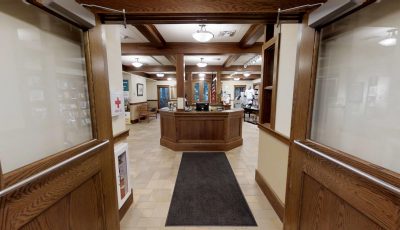
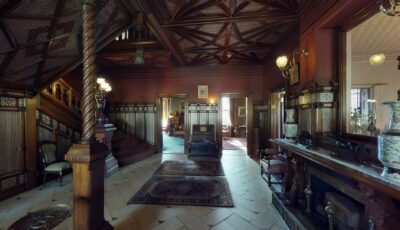
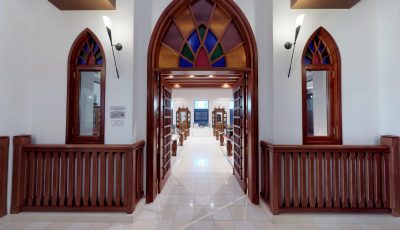
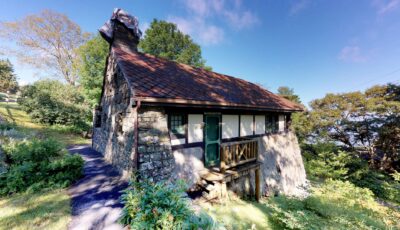
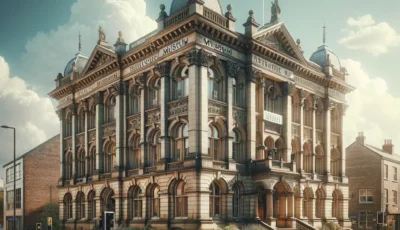
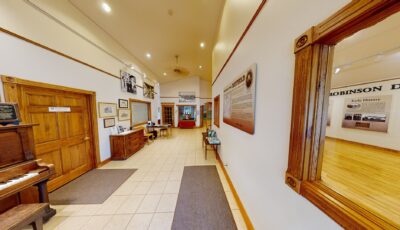
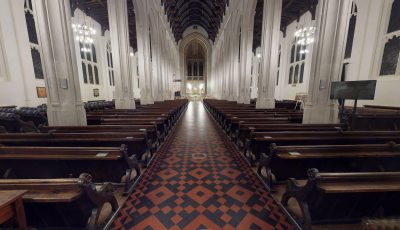
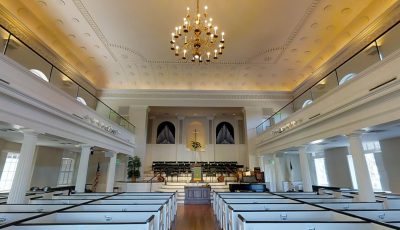
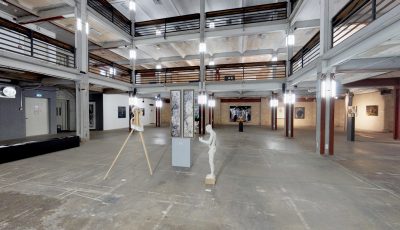
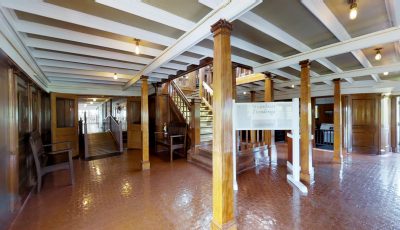
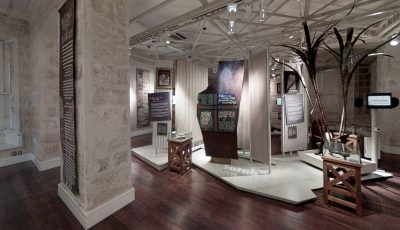
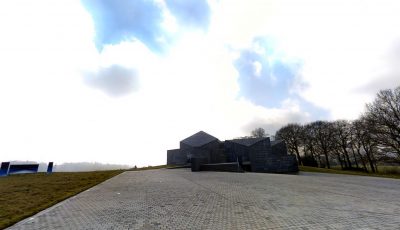
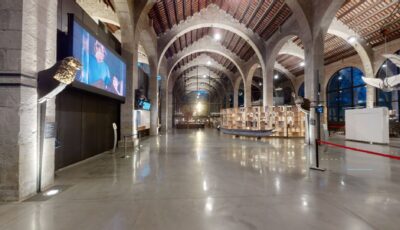
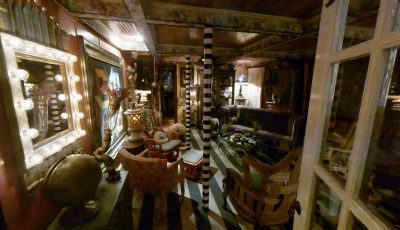
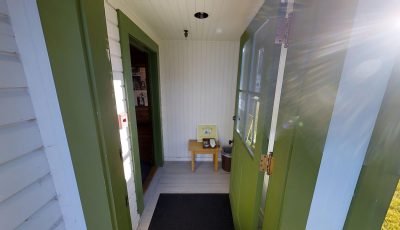
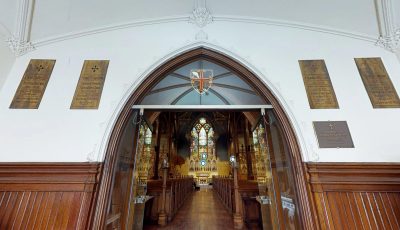
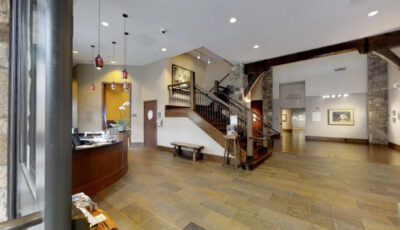
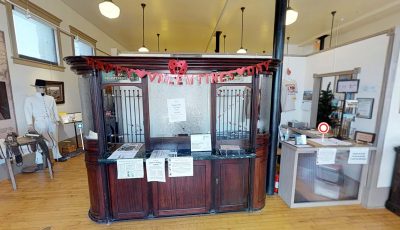
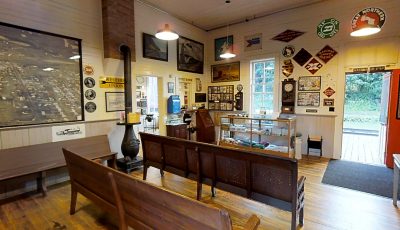
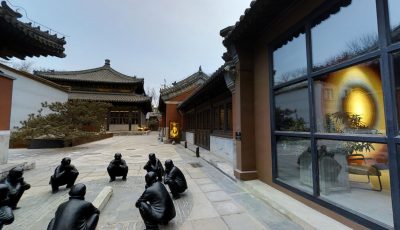
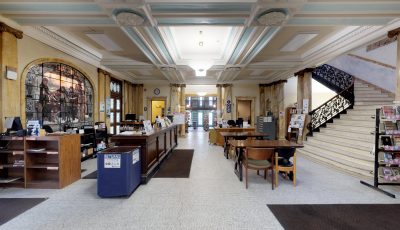
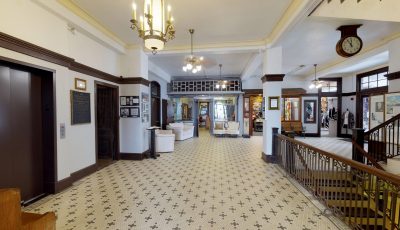
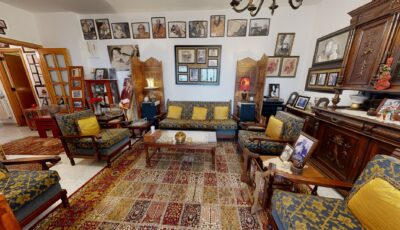
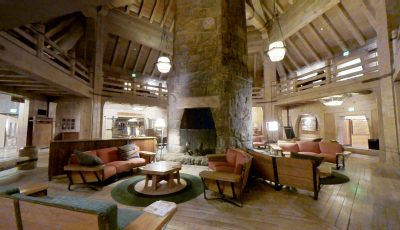
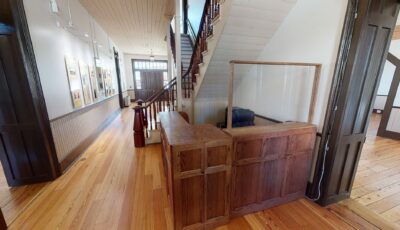
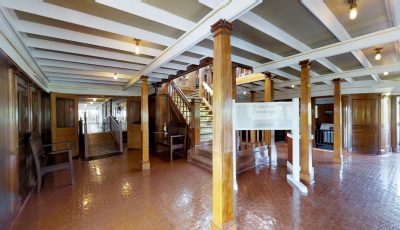
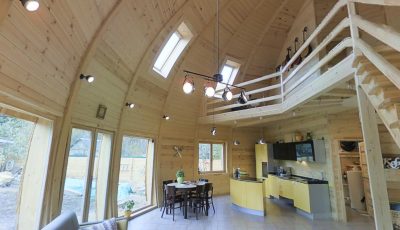
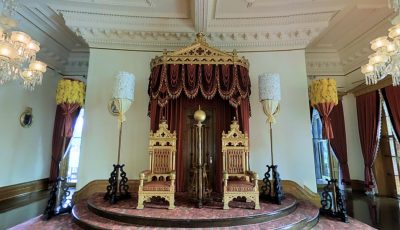
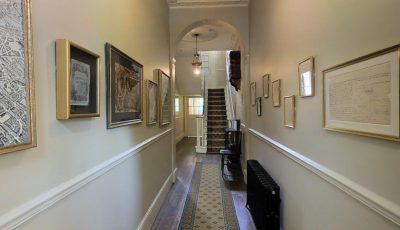
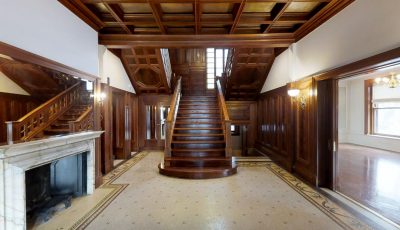
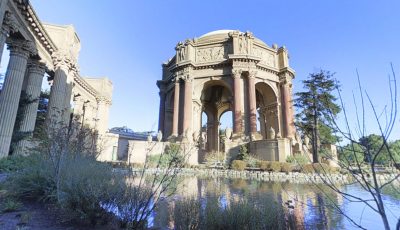
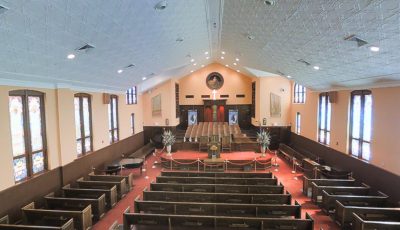
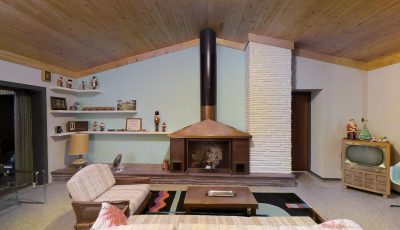
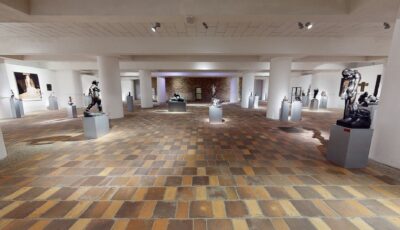
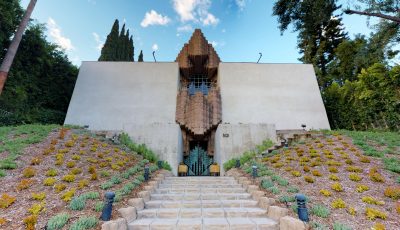
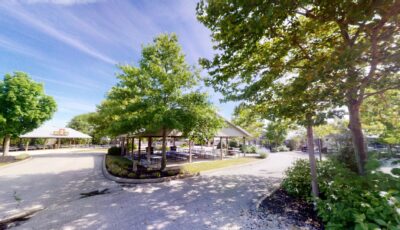
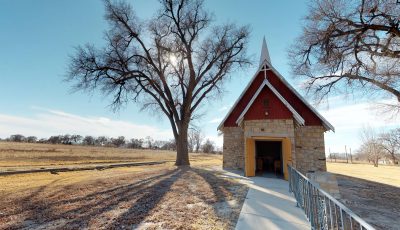
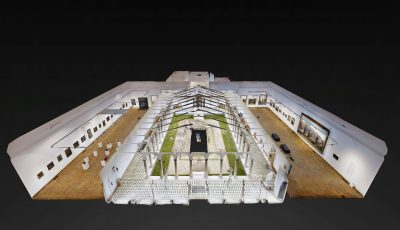
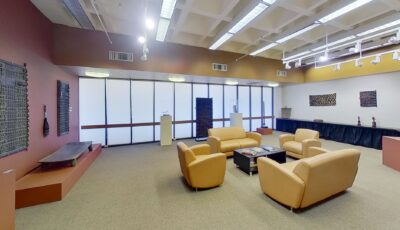
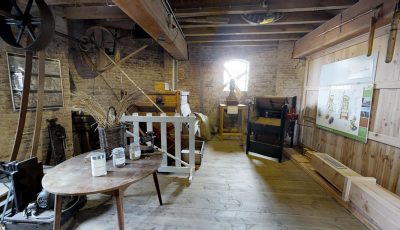
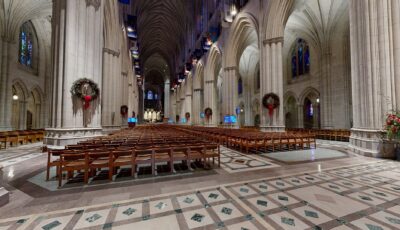
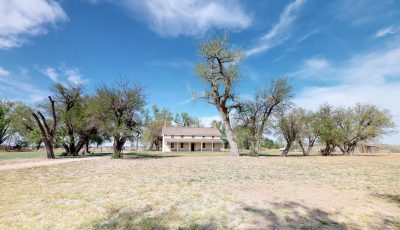
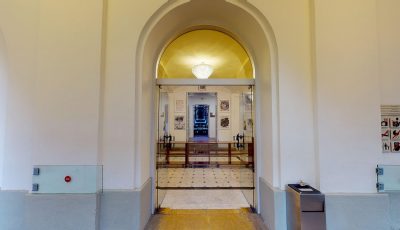
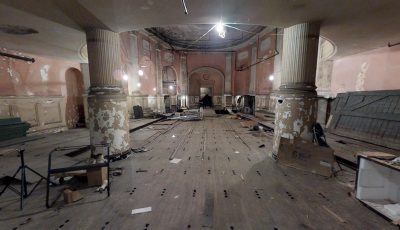
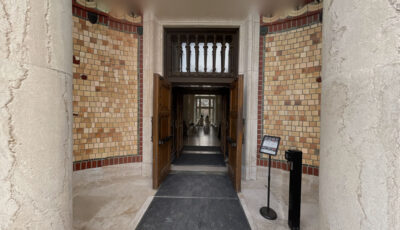
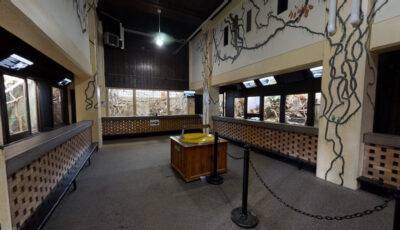
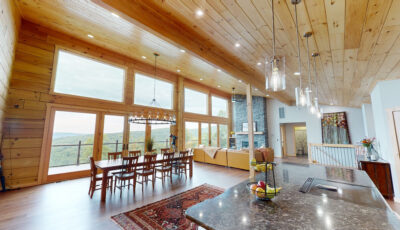
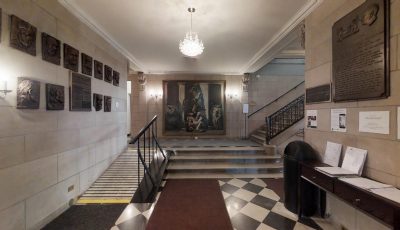
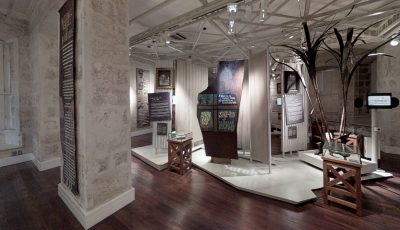
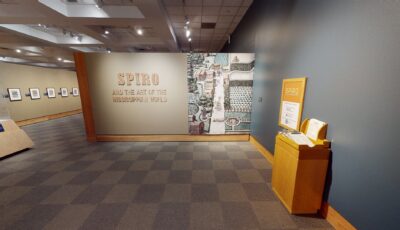
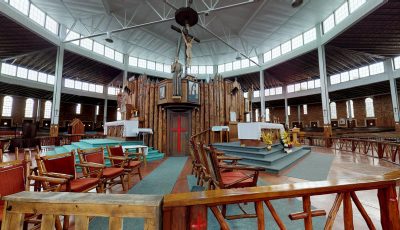
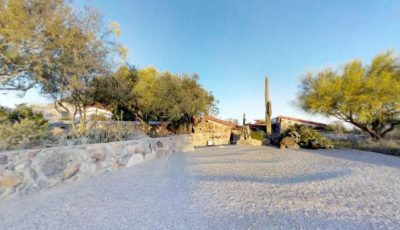
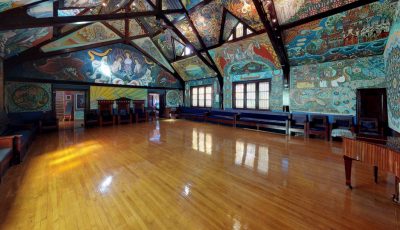
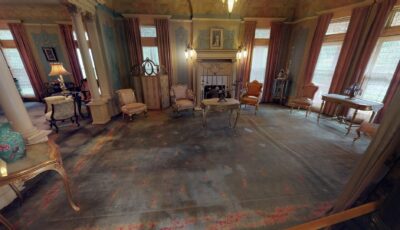
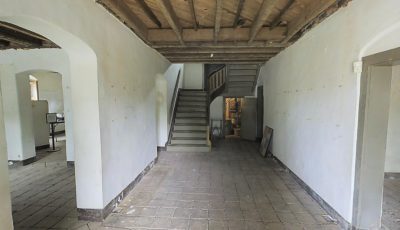
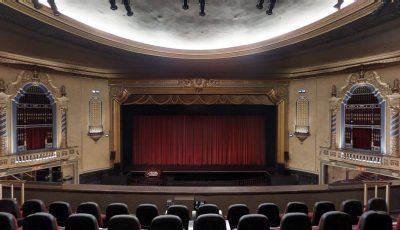
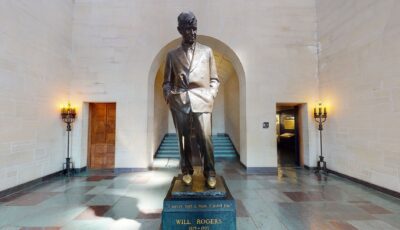
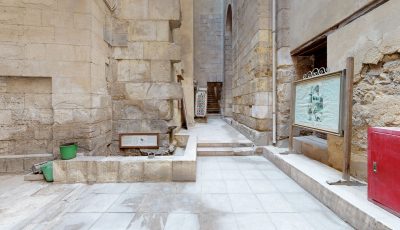
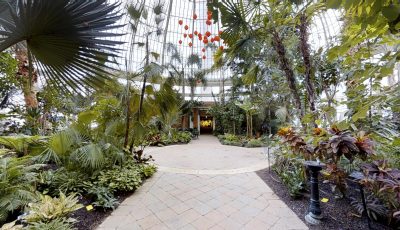
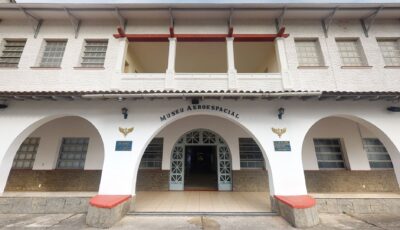
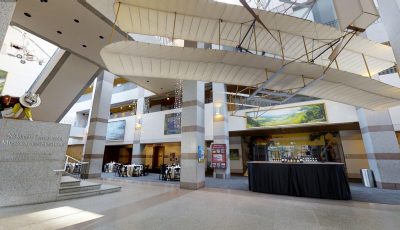
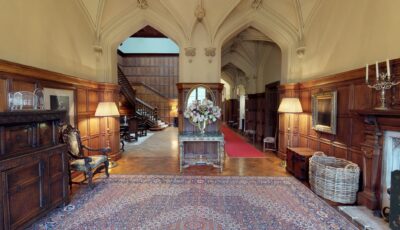
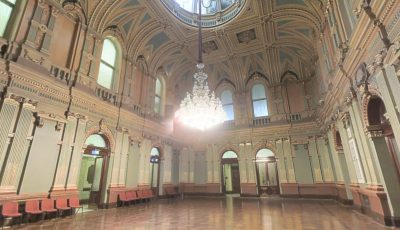
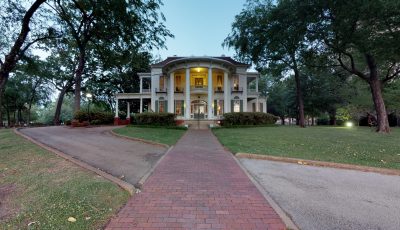
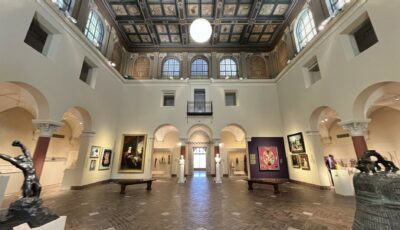
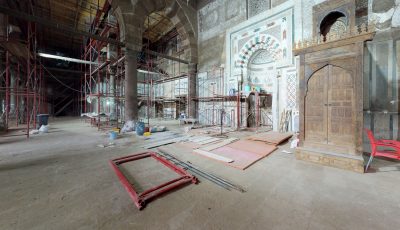
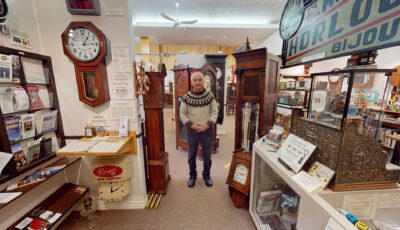
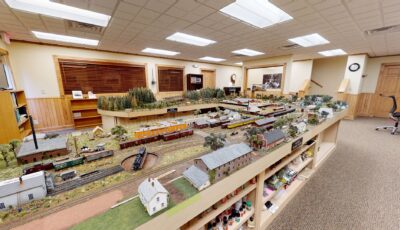
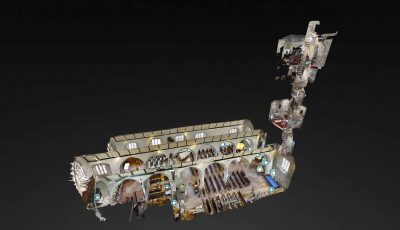
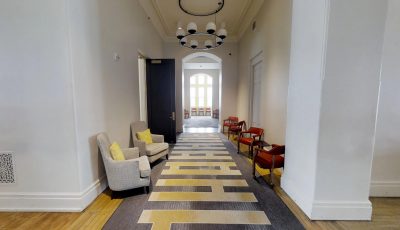
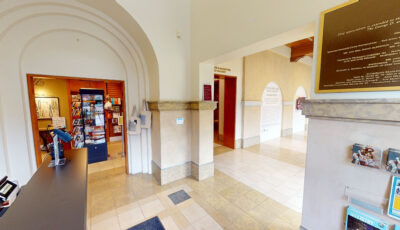
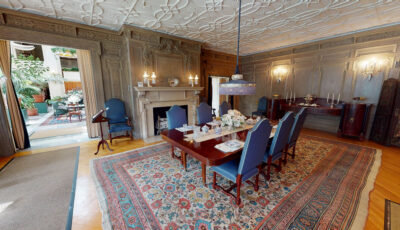
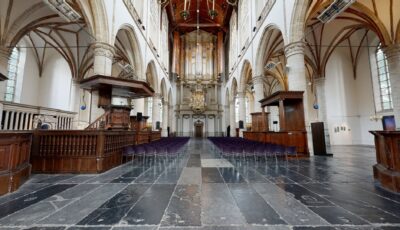
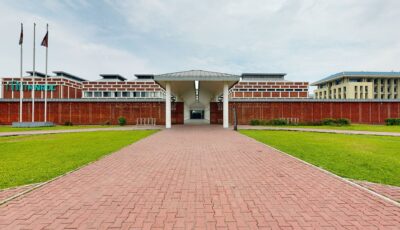
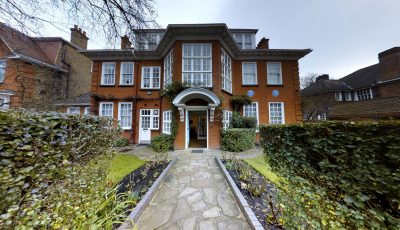
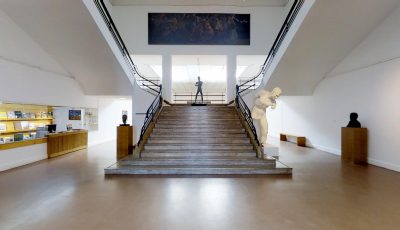
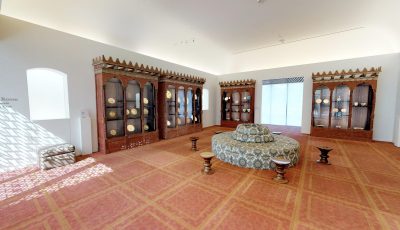
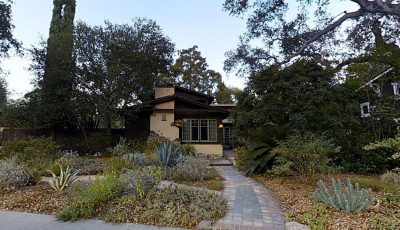
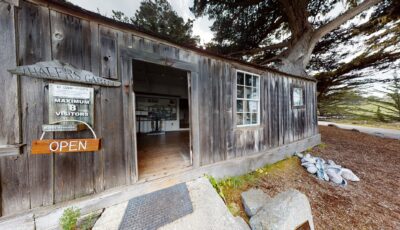
Prairie School is a late 19th and early 20th-century architectural style, most commonly seen in the Midwestern United States. The style is usually marked by horizontal lines, flat or hipped roofs with broad overhanging eaves, ribbon windows, integration with the landscape, and solid construction and craftsmanship. It reflects discipline in the use of ornament, which was often inspired by organic growth and seen carved into wood, stenciled on plaster, in colored glass, veined marble, and prints or paintings with a general prevalence of earthy, autumnal colors. Spaciousness and continuous horizontal lines were thought to evoke and relate to the wide, flat, treeless expanses of America’s native prairie landscape, and decoration often depicted prairie wildlife, sometimes with indigenous materials contributing to a sense of the building belonging to the landscape. The Prairie School sought to develop a distinct North American architectural style, distinguishing it from historical revivals that were popular at the time. It shared many ideals and design aesthetics of the Arts and Crafts Movement, though it embraced the machine and also shared ideals with modernist movements. Many architects were also part of the Chicago School, but Prairie School buildings were seen less in the commercial skyscrapers of Chicago and more in the suburban residences, though the style can be seen in throughout a variety of building types, including banks, schools, and churches.
Information sourced from Wikipedia, licensed under CC-BY-SA.
Educational Lesson Plans
Enhance your classroom experience with our comprehensive educational lesson plans designed to accompany this virtual tour. Each lesson plan aligns with national educational standards and includes pre-tour activities, guided exploration questions, discussion prompts, and post-tour assessment materials. Perfect for grades K-12 and higher education.
Share This Virtual Tour
Know someone who would enjoy this virtual field trip? Share this 3D tour with teachers, students, friends, and family. Virtual field trips make learning accessible to everyone, regardless of location or ability to travel.