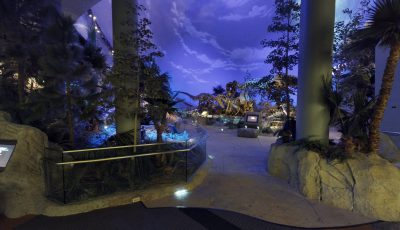
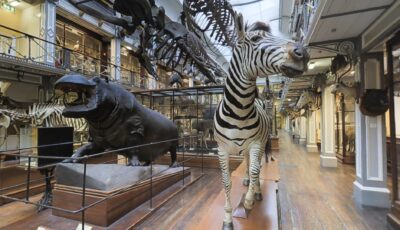
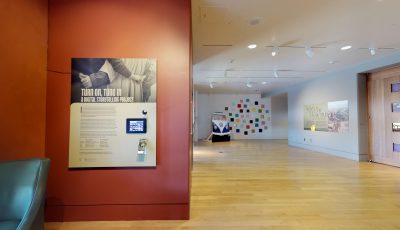
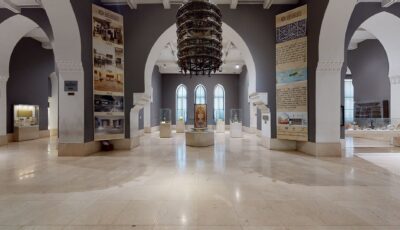
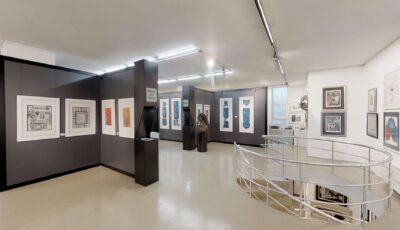
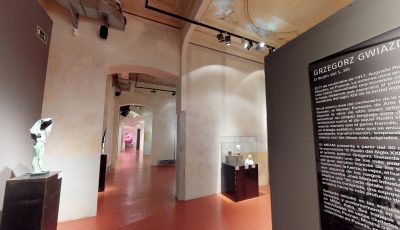
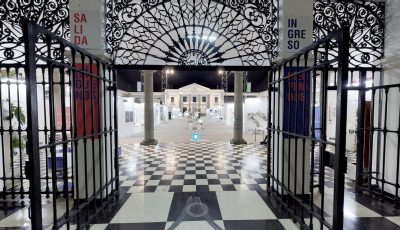
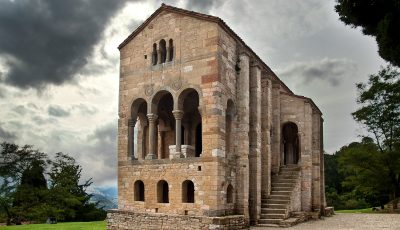
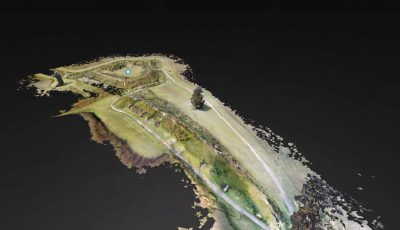
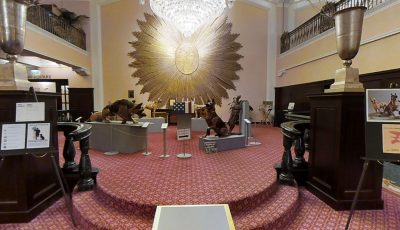
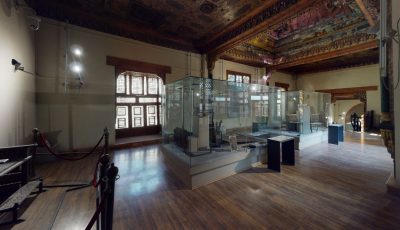
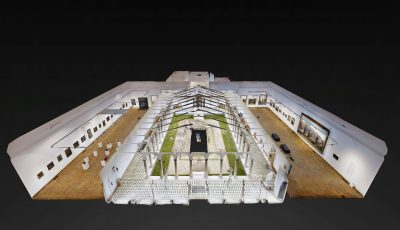
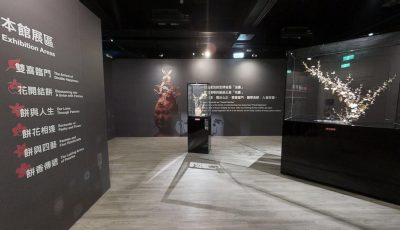
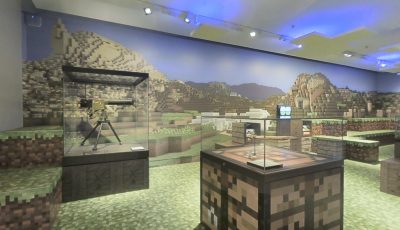
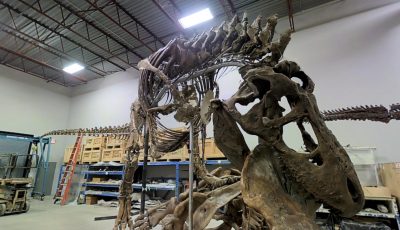
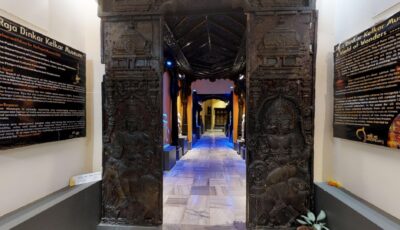
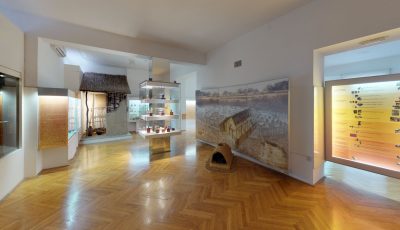
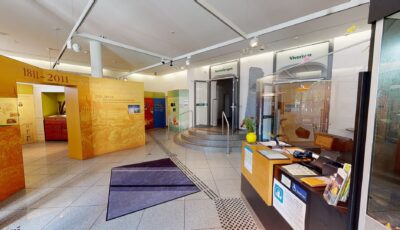
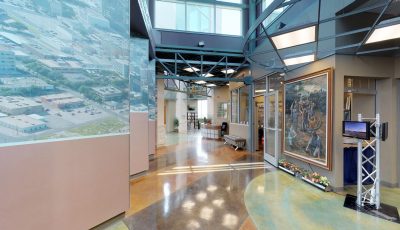
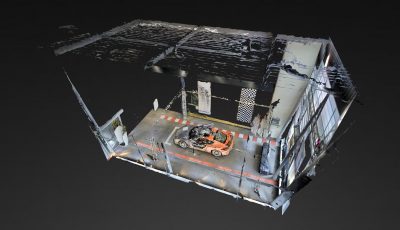
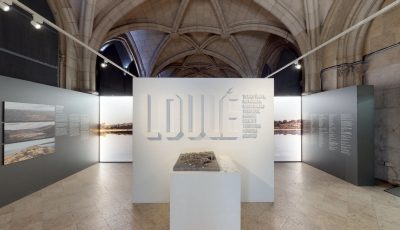
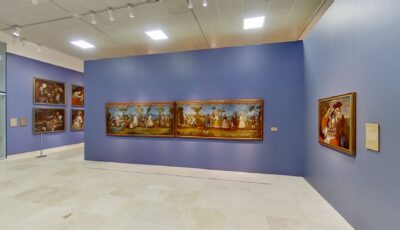
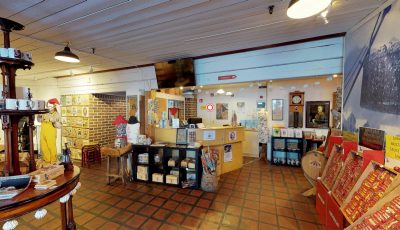
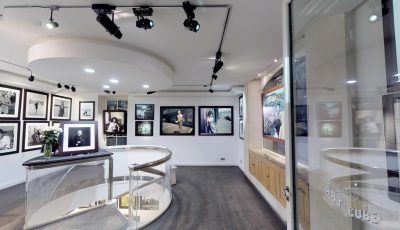
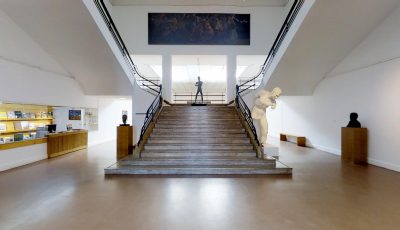
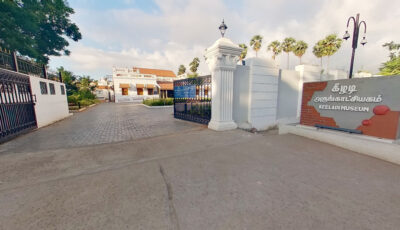
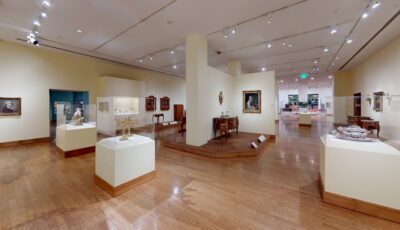
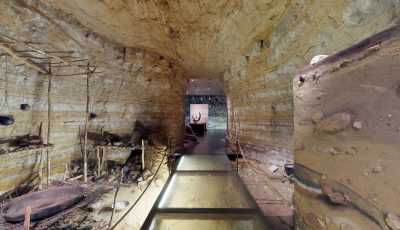
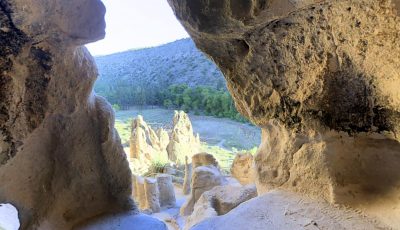
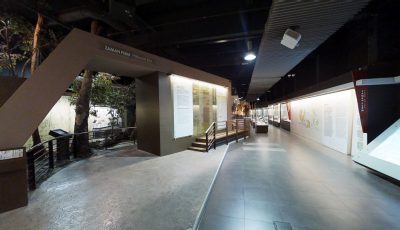
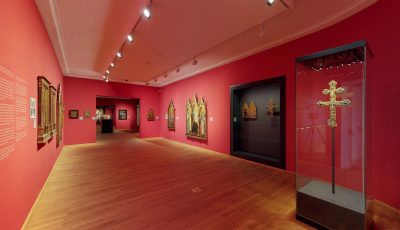
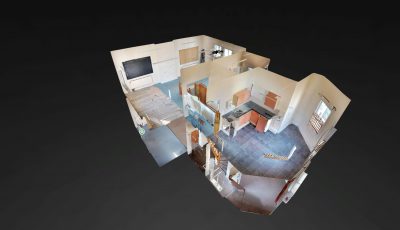
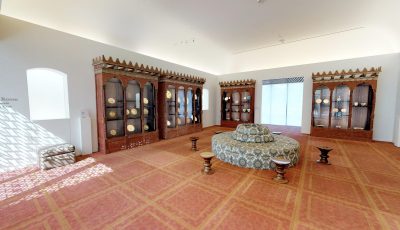
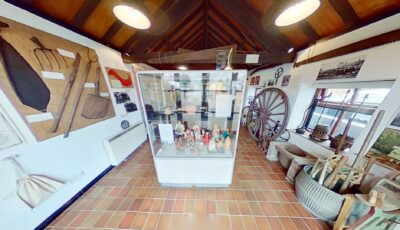
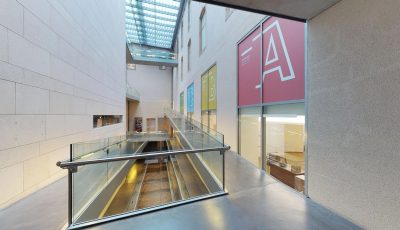
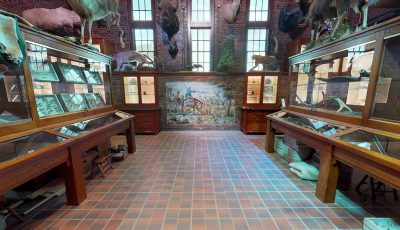
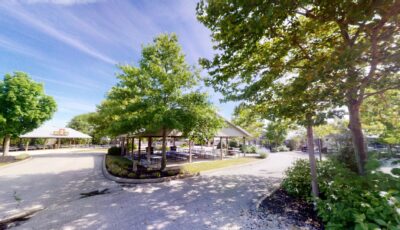
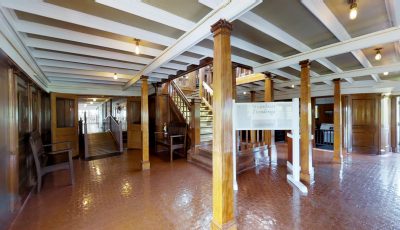
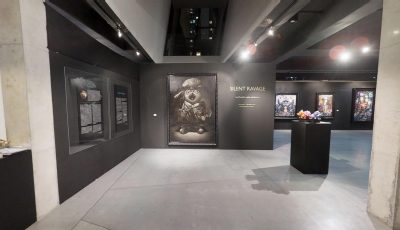
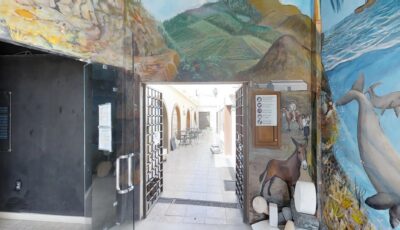
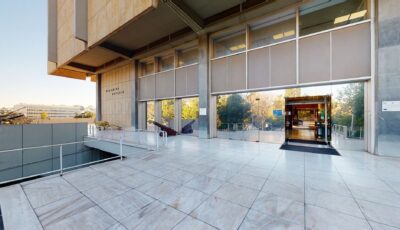
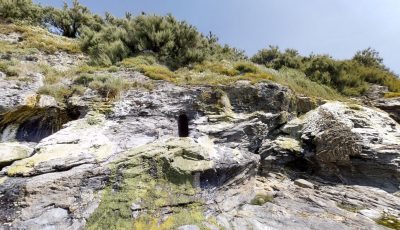
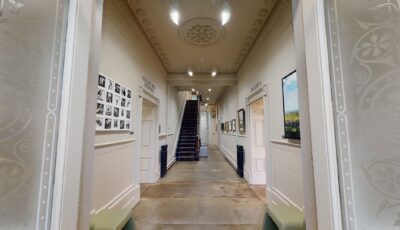
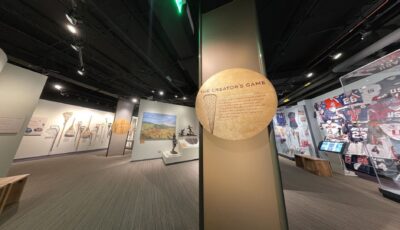
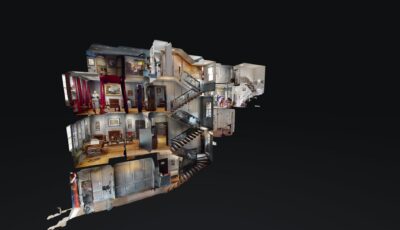
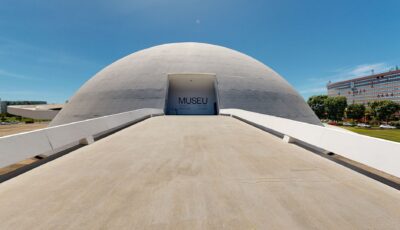
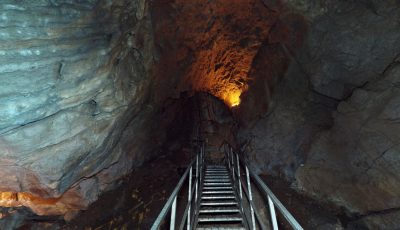
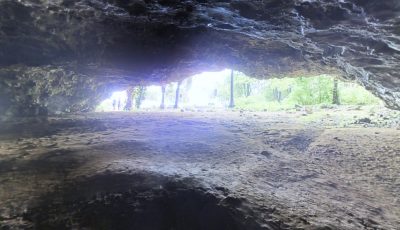
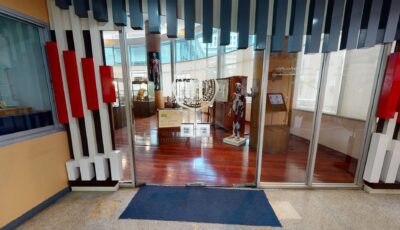
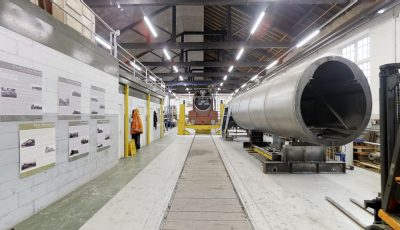
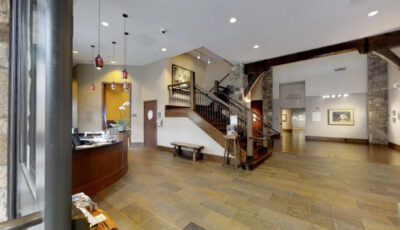
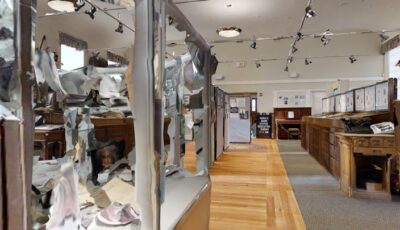
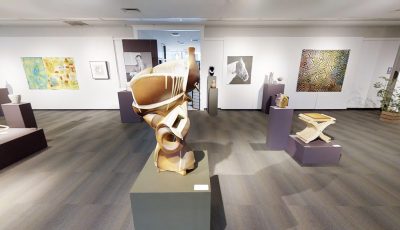
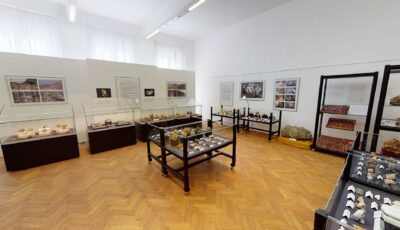
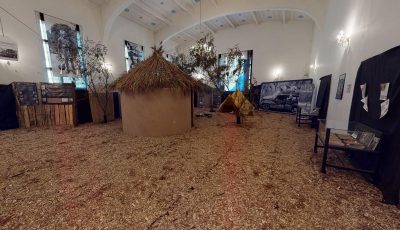
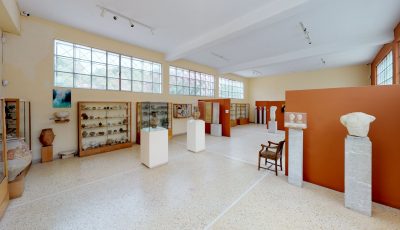
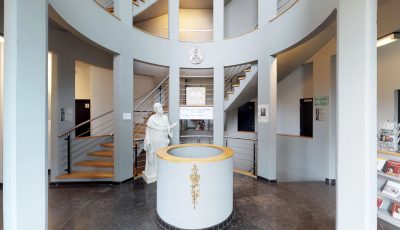
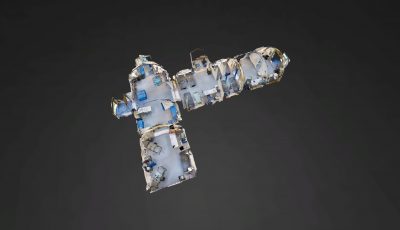
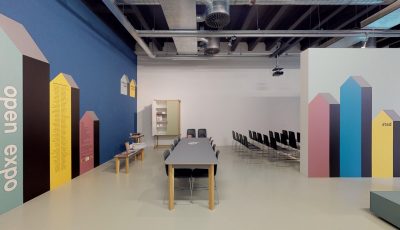
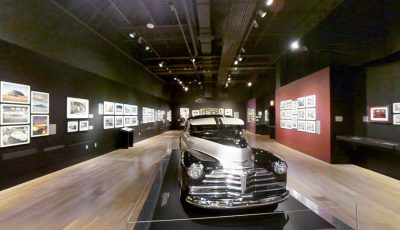
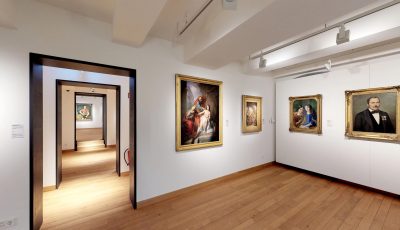
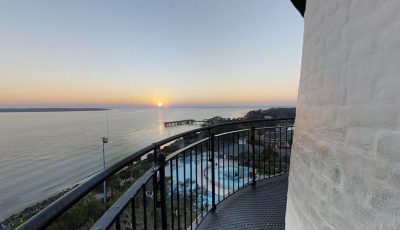
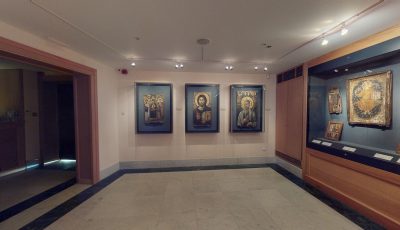
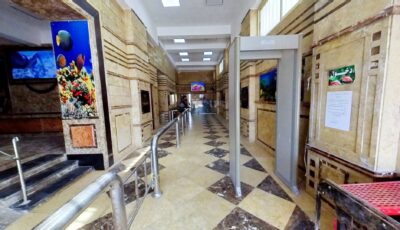
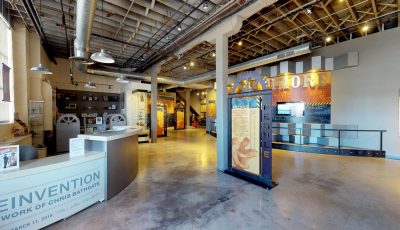
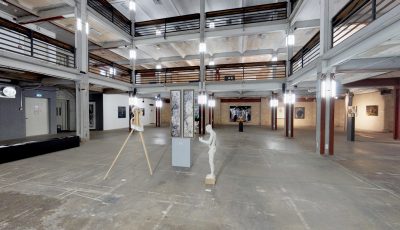
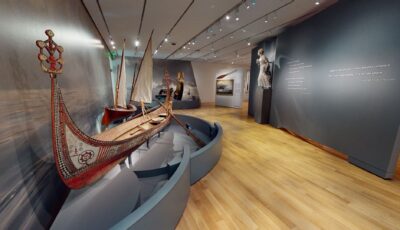
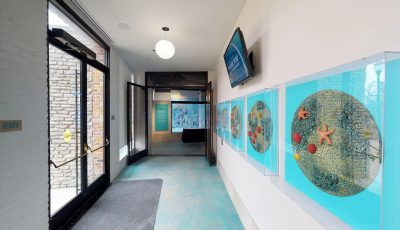
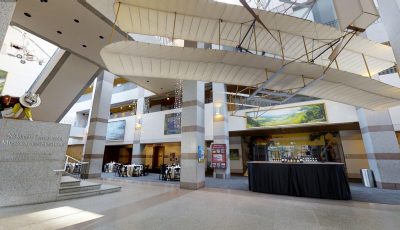
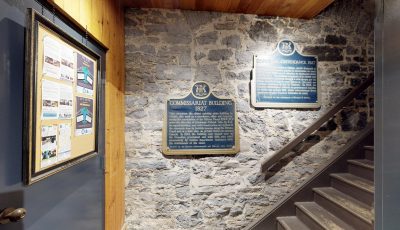
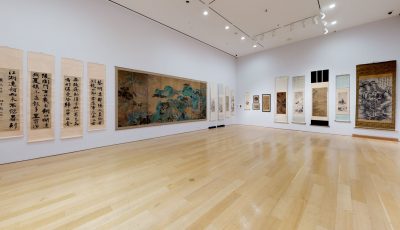
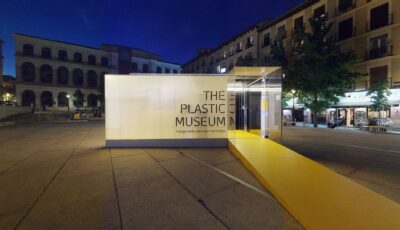
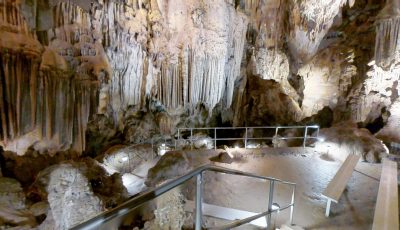
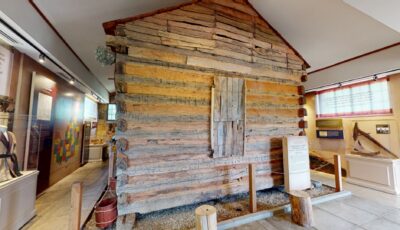
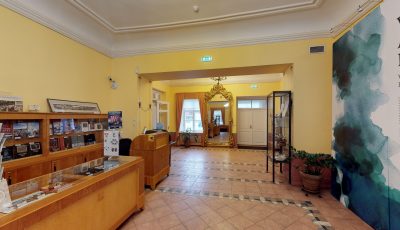
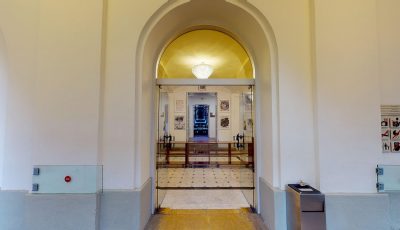
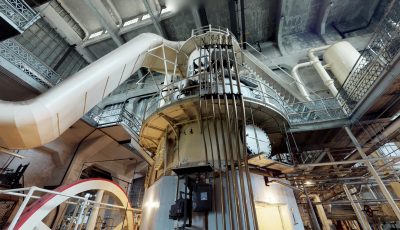
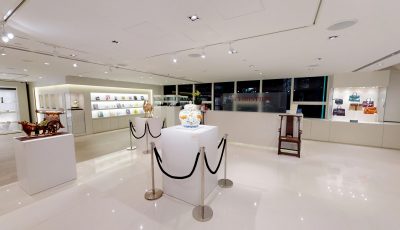
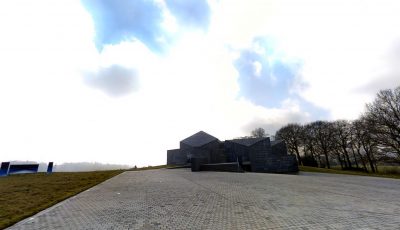
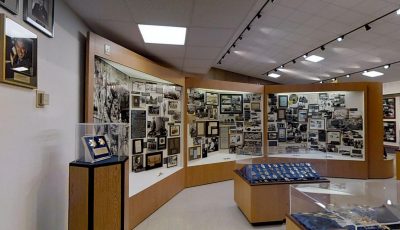
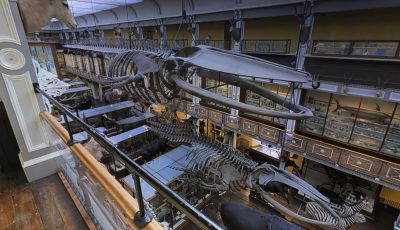
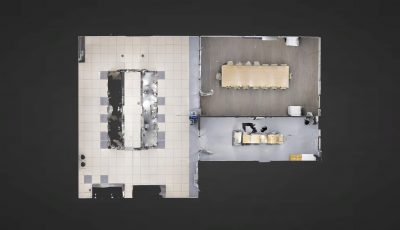
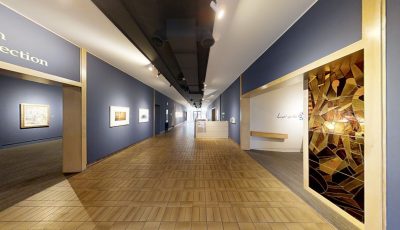
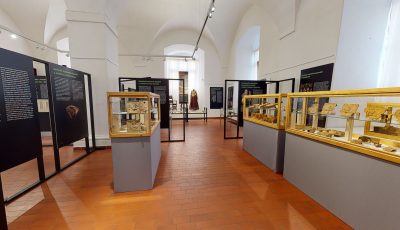
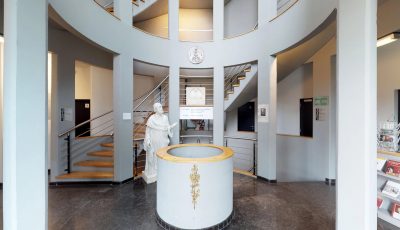
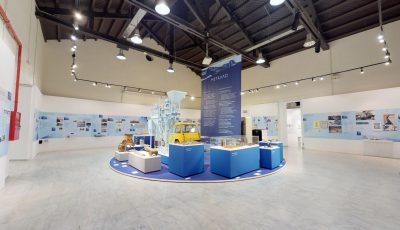
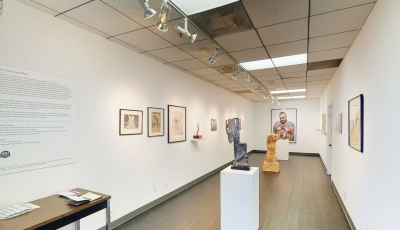
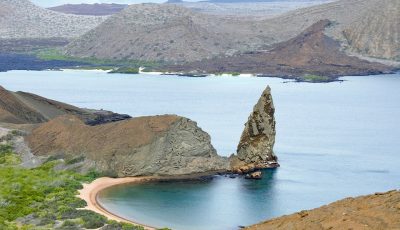
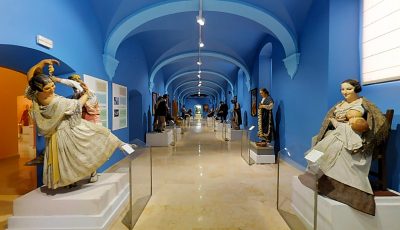
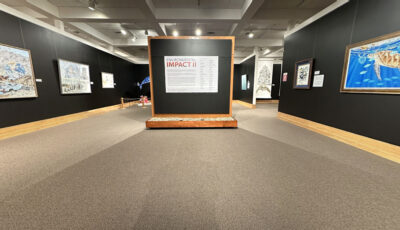
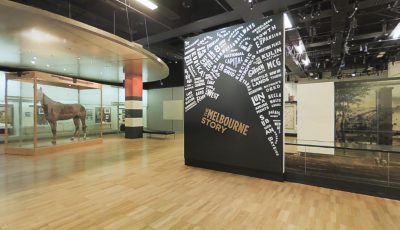
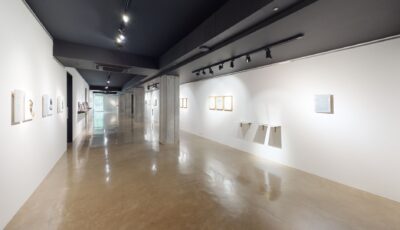
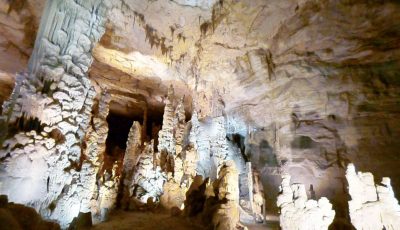
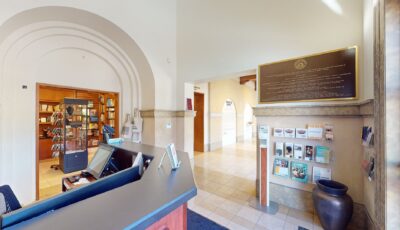
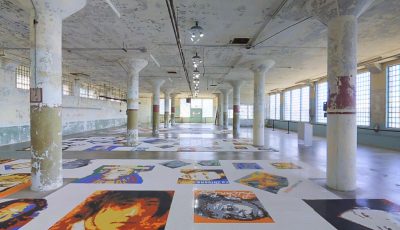
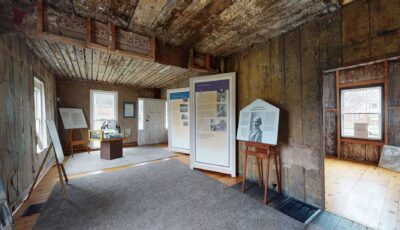
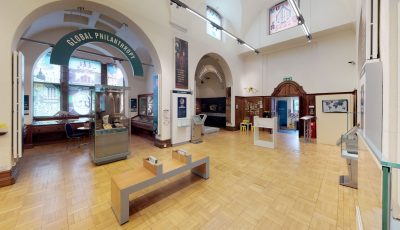
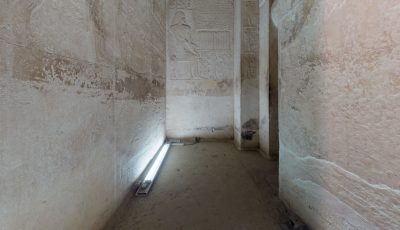
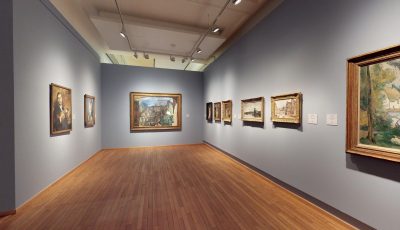
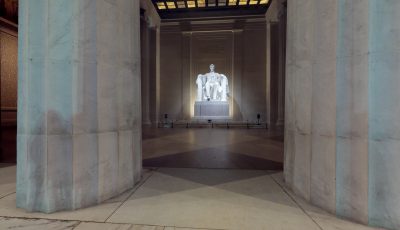
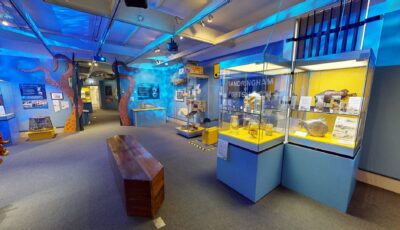
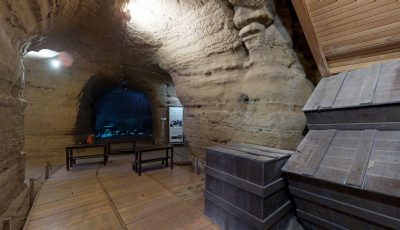
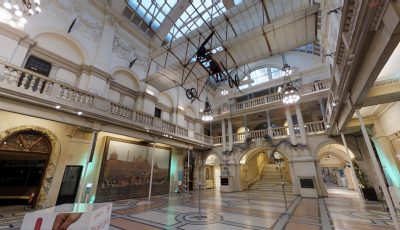
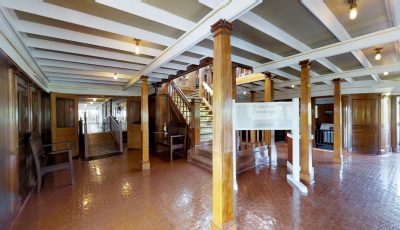
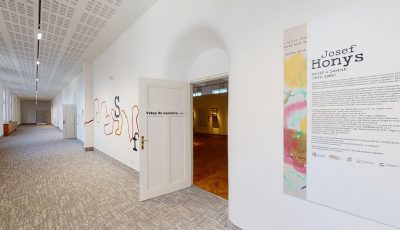
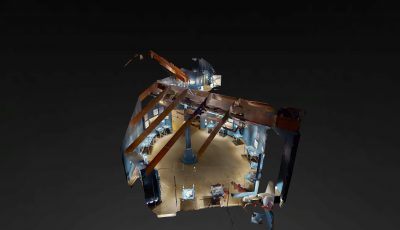
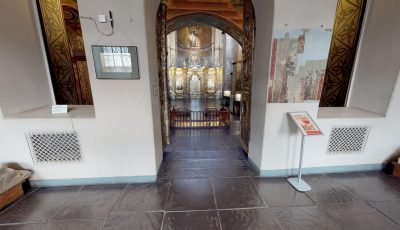
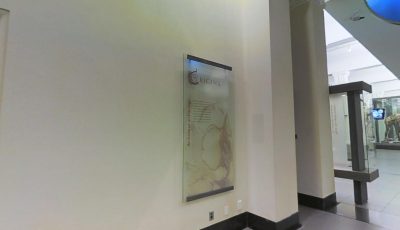
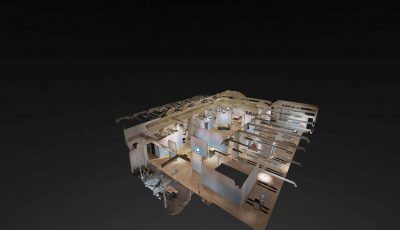
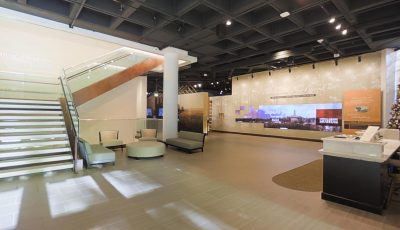
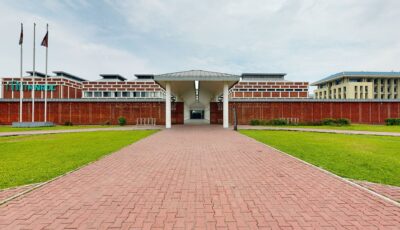
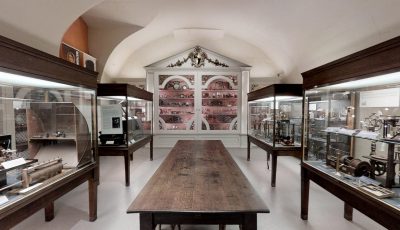
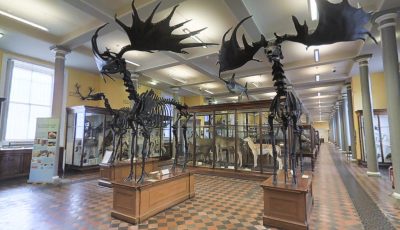
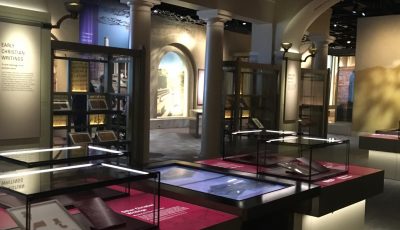
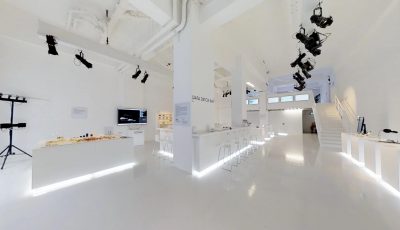
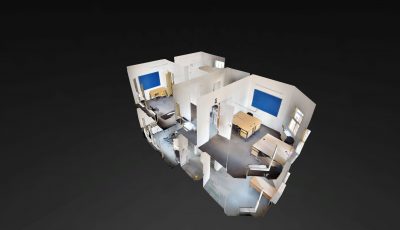
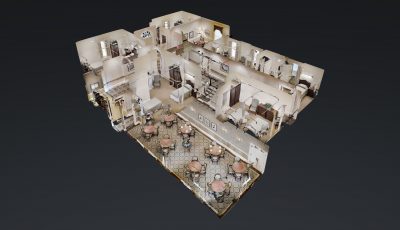
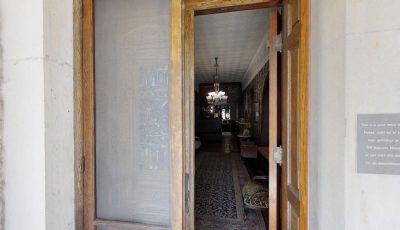
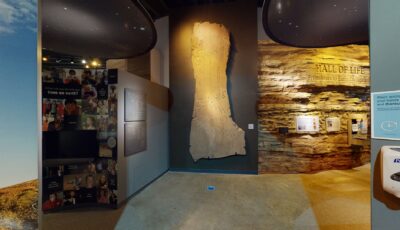
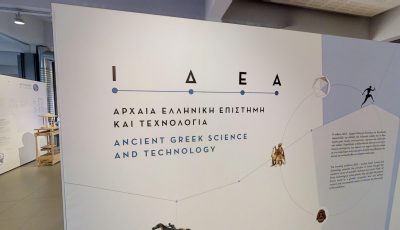
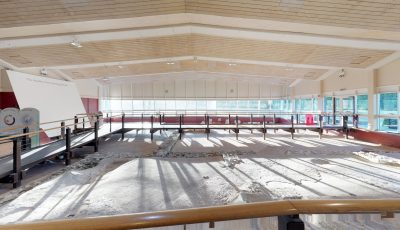
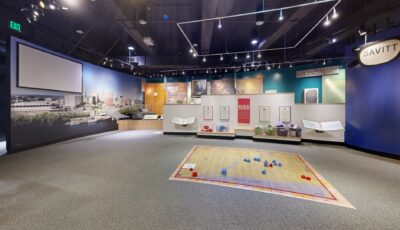
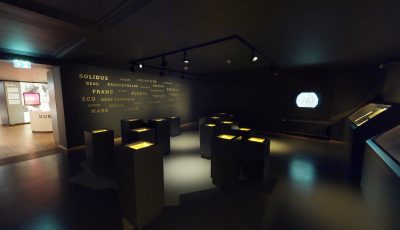
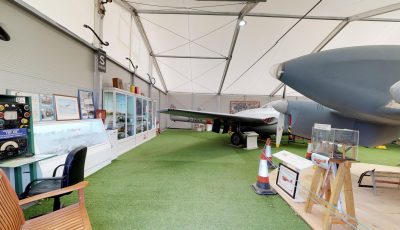
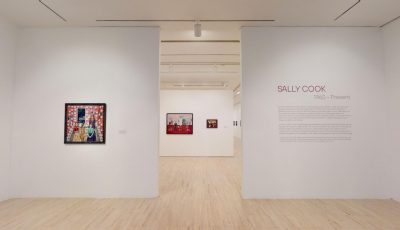
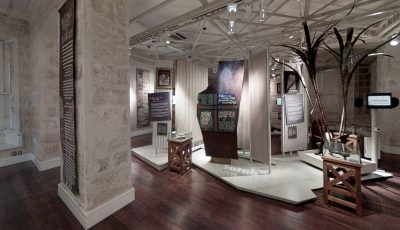
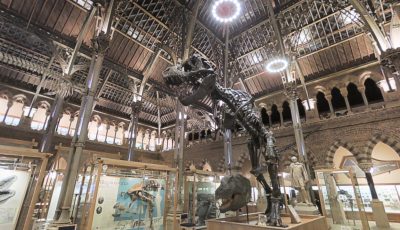
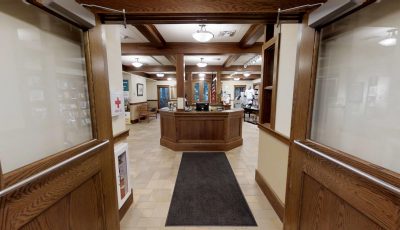
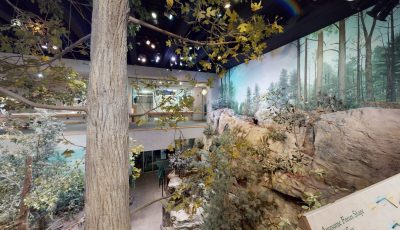
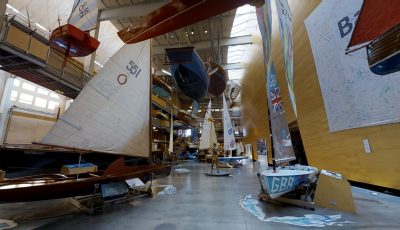
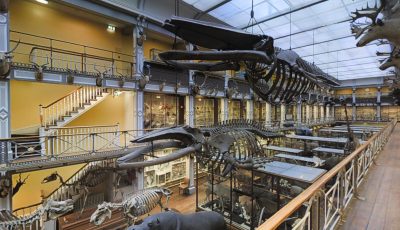
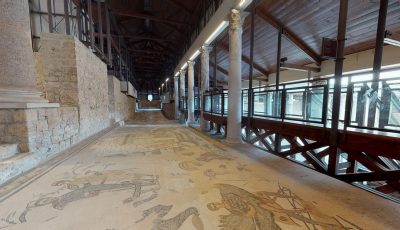
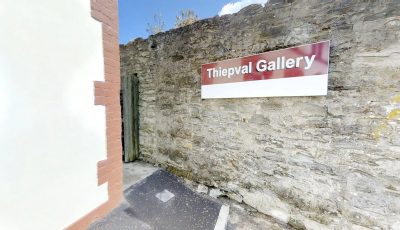
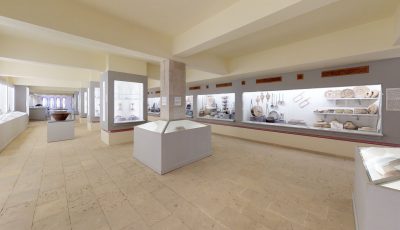
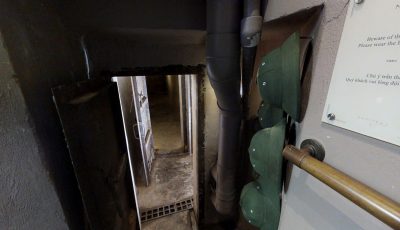
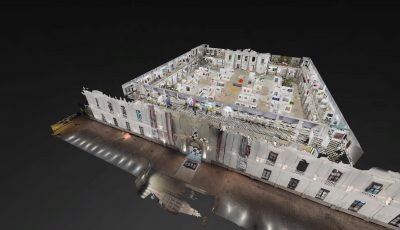
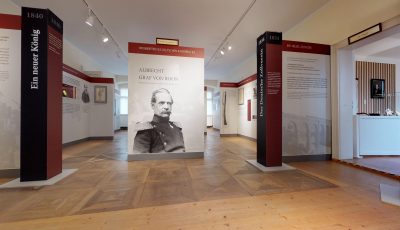
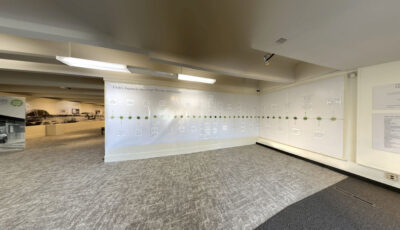
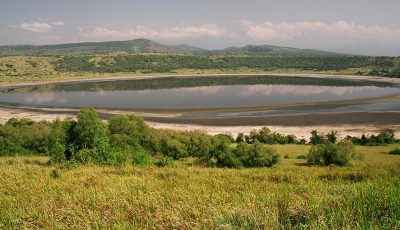
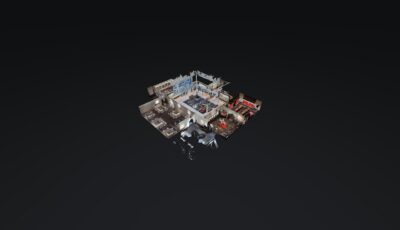
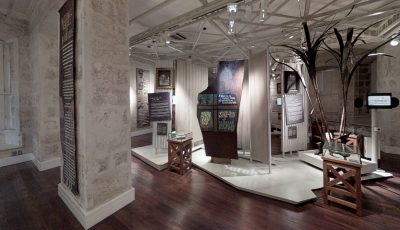
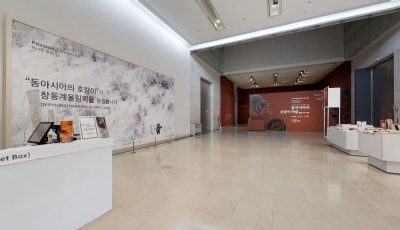
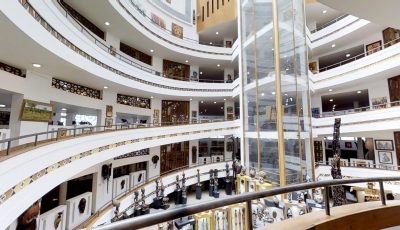
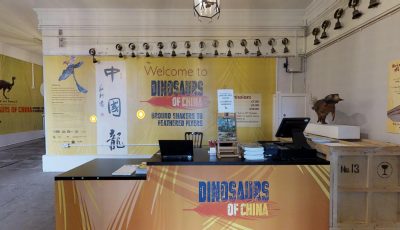
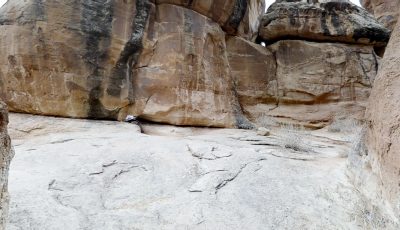
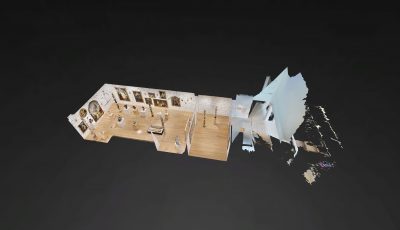
The Jurassic Museum of Asturias (Spanish: Museo del Jurásico de Asturias; MUJA) is located in the area of Rasa de San Telmo near the parish (administrative division) of Llastres in the municipality of Colunga, Asturias, Spain. Though the municipality of Ribadesella was initially proposed, Colunga was chosen for the building site in the late 1990s. Several landmarks are visible from the museum including the Bay of Biscay, the Sierra del Sueve, and the Picos de Europa. Strategically located over a mount on the Rasa de San Temo, the museum is in the midst the Jurassic Asturias. The museum displays and collections cover 3,500 million years, and although they emphasize the three stages of the Mesozoic (Triassic, Jurassic and Cretaceous), information is also presented on the preceding and subsequent periods. Different stages of the Jurassic geologic period and system are on display. Corridors contain over 20 dinosaur replicas; measuring over 12 metres (39 ft) in height, their weight would exceed ten tons if the replicas were real. A rich collection of footprints and fossils found in the Asturian Jurassic coastline from ten paleontological sites are exhibited in the exposition halls and are said to be “the most complete informative and representative collection of dinosaur remains in the world.” Founded March 31, 2004 and representing an investment of 12 million euros, MUJA belongs to the Asturian network of public museums.
Information sourced from Wikipedia, licensed under CC-BY-SA.
Educational Lesson Plans
Enhance your classroom experience with our comprehensive educational lesson plans designed to accompany this virtual tour. Each lesson plan aligns with national educational standards and includes pre-tour activities, guided exploration questions, discussion prompts, and post-tour assessment materials. Perfect for grades K-12 and higher education.
Share This Virtual Tour
Know someone who would enjoy this virtual field trip? Share this 3D tour with teachers, students, friends, and family. Virtual field trips make learning accessible to everyone, regardless of location or ability to travel.