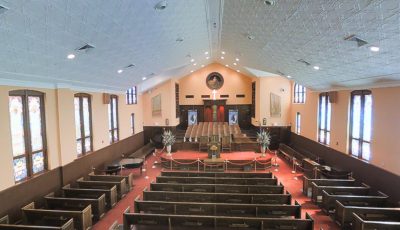
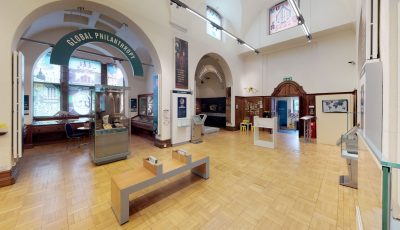
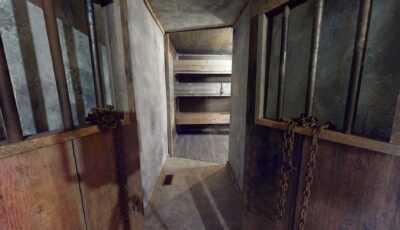
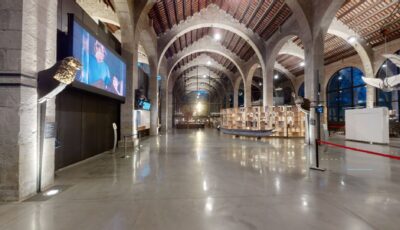
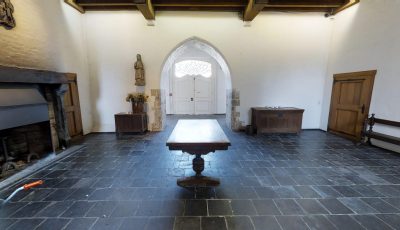
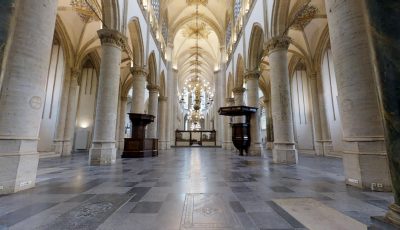
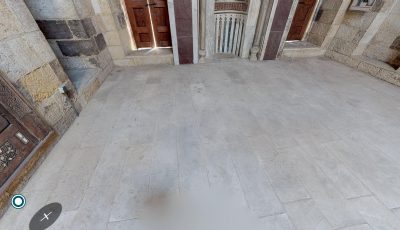
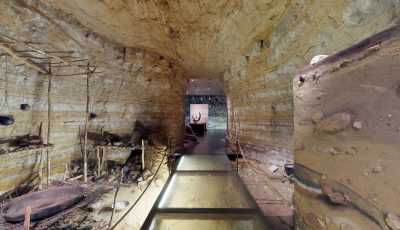
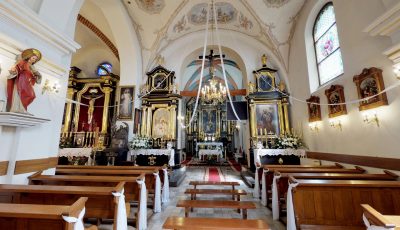
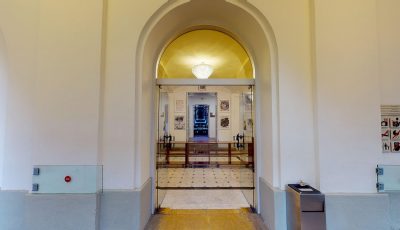
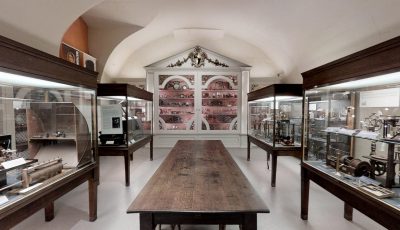
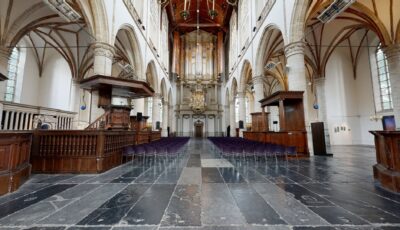
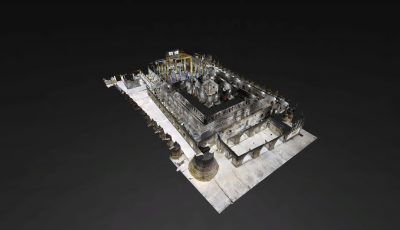
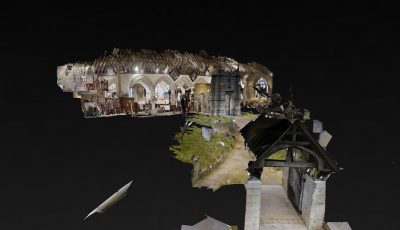
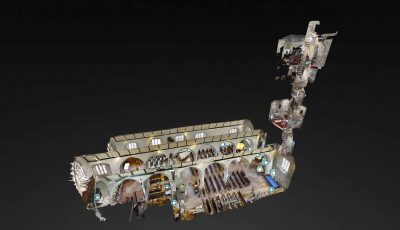
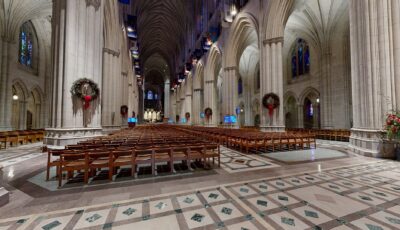
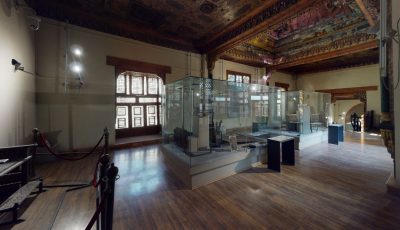
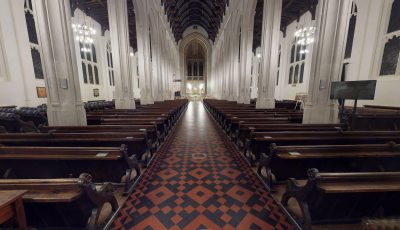
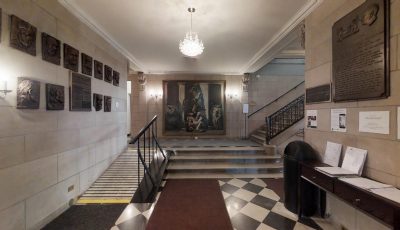
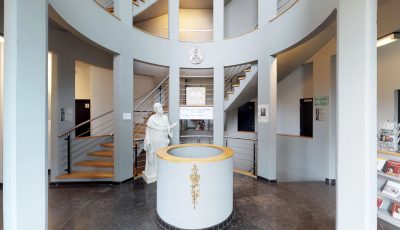
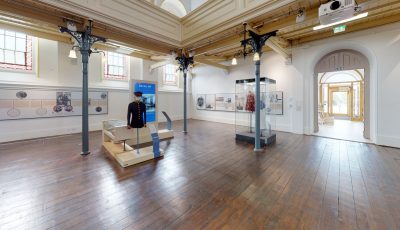
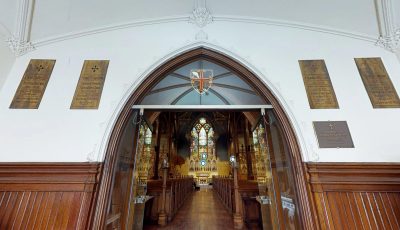
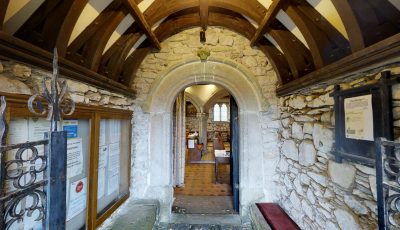
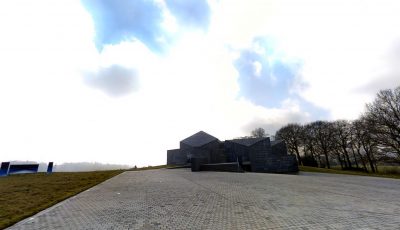
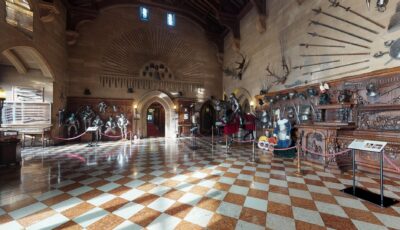
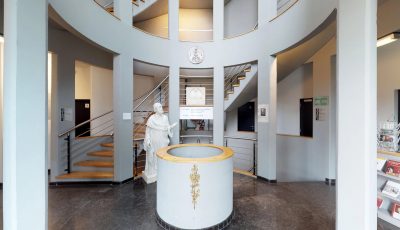
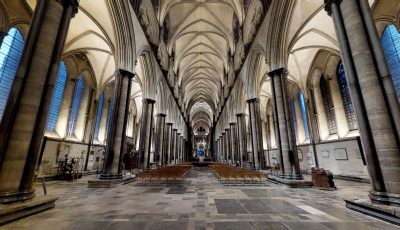
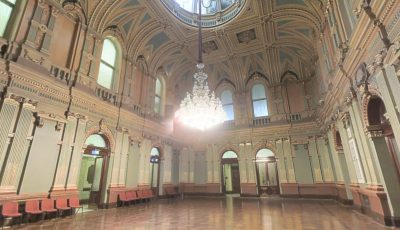
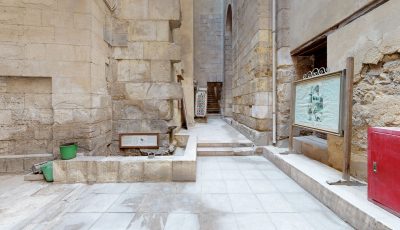
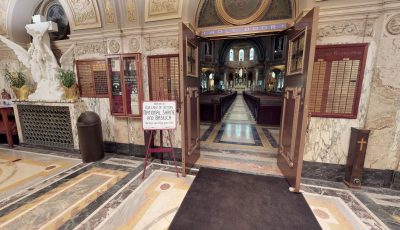
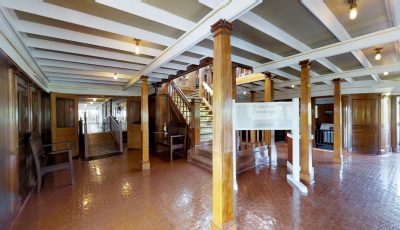
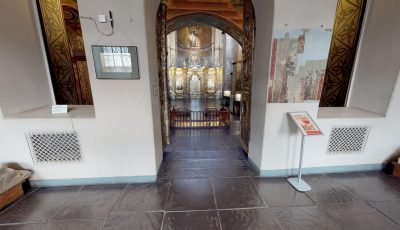
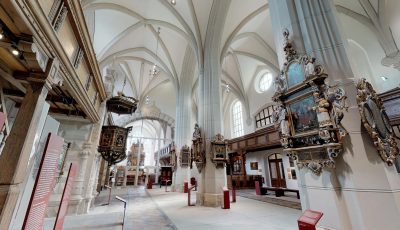
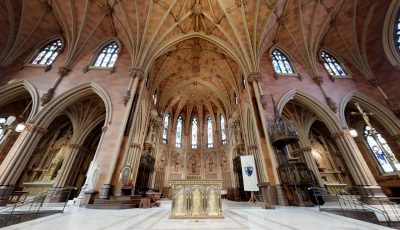
Norwich Cathedral, formally the Cathedral Church of the Holy and Undivided Trinity, is a Church of England cathedral in the city of Norwich, Norfolk, England. The cathedral is the seat of the bishop of Norwich and the mother church of the diocese of Norwich. It is administered by its dean and chapter, and there are daily Church of England services. It is a Grade I listed building. Construction of the building was begun in 1096 at the behest of the first bishop of Norwich, Herbert de Losinga. When the crossing tower was the last piece of the Norman cathedral to be completed; measuring 461 ft (141 m) and 177 ft (54 m) wide, the cathedral was the largest building in East Anglia. The cathedral close occupied a tenth of the total area of the medieval city. The present structure of Norwich Cathedral is primarily Norman, being made of flint and mortar and faced with a cream-coloured Caen limestone. The cathedral was damaged by rioters in 1272; repairs were completed in 1278. The cloisters, begun in 1297, are the fourth largest cloisters in England. The present spire—the second tallest in England at 315 ft (96 m)—is a stone structure built in 1480 that replaced one made of wood. In about 1830, the south transept was remodelled by the architect Anthony Salvin. A new hospitality and education facility by Hopkins Architects was opened by Elizabeth II and the Duke of Edinburgh in 2010. Norwich Cathedral once had the earliest astronomical clock in England.
Information sourced from Wikipedia, licensed under CC-BY-SA.
Educational Lesson Plans
Enhance your classroom experience with our comprehensive educational lesson plans designed to accompany this virtual tour. Each lesson plan aligns with national educational standards and includes pre-tour activities, guided exploration questions, discussion prompts, and post-tour assessment materials. Perfect for grades K-12 and higher education.
Share This Virtual Tour
Know someone who would enjoy this virtual field trip? Share this 3D tour with teachers, students, friends, and family. Virtual field trips make learning accessible to everyone, regardless of location or ability to travel.