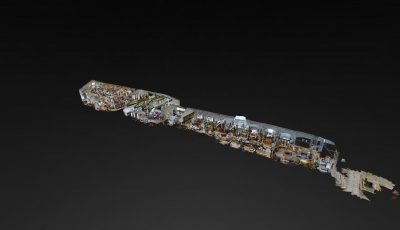
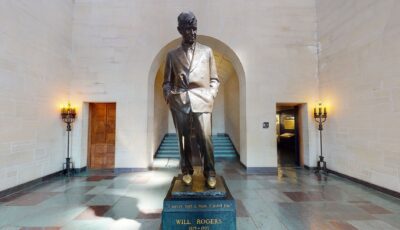
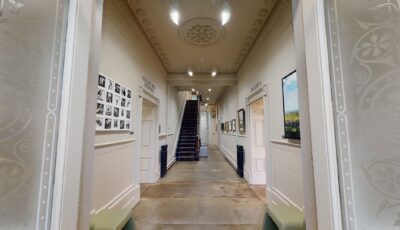
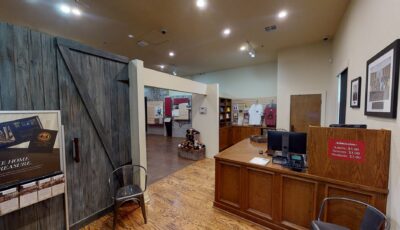
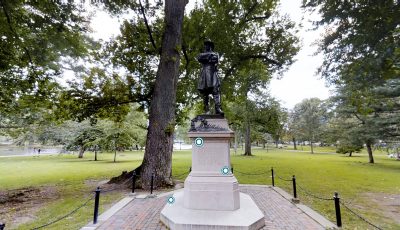
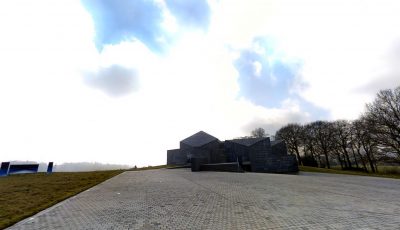
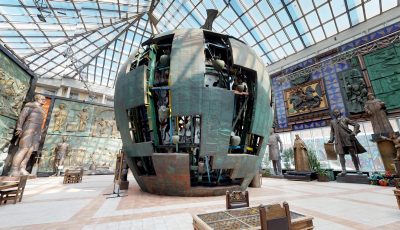
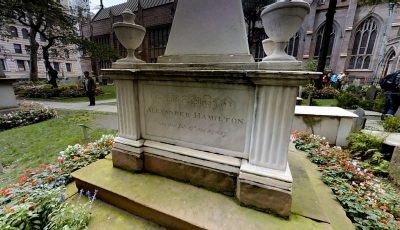
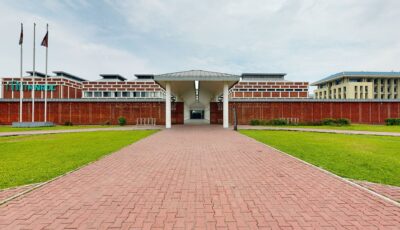
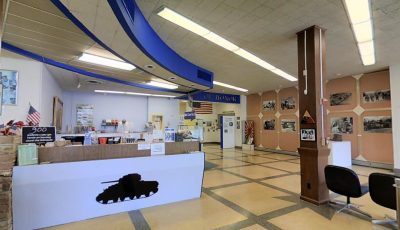
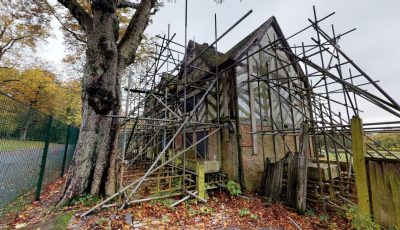
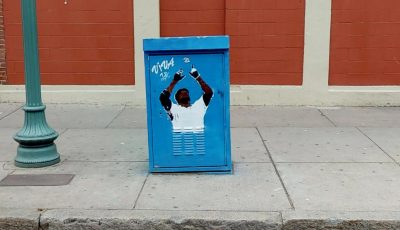
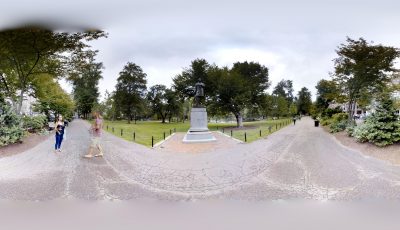
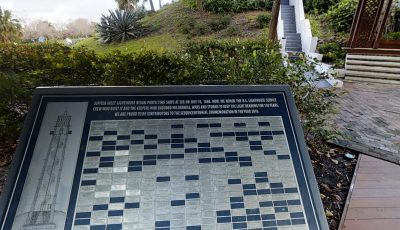
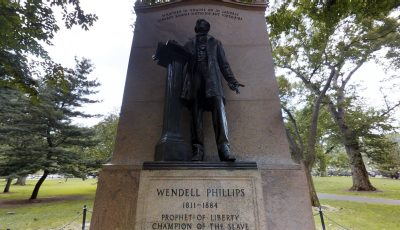
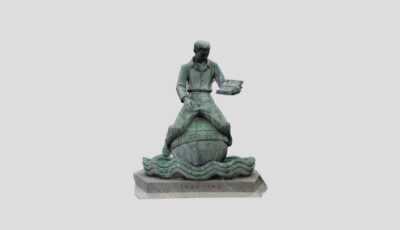
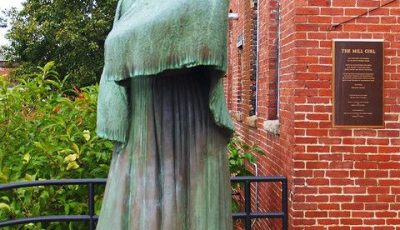
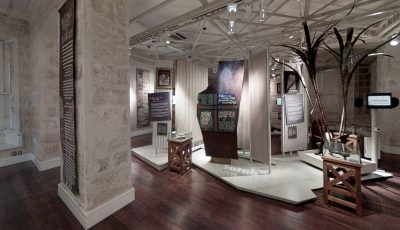
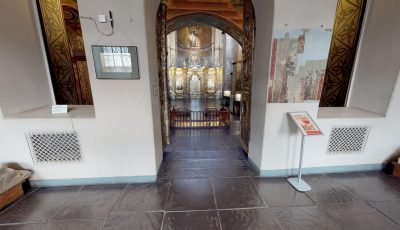
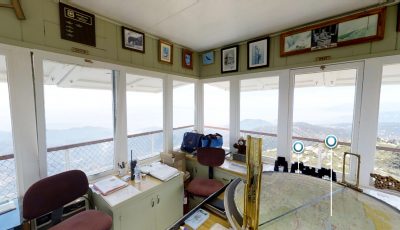
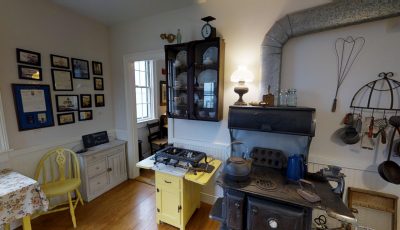
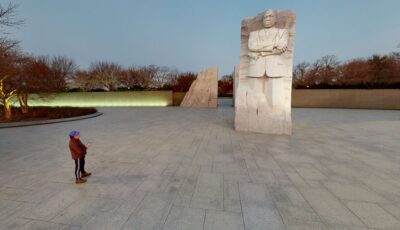
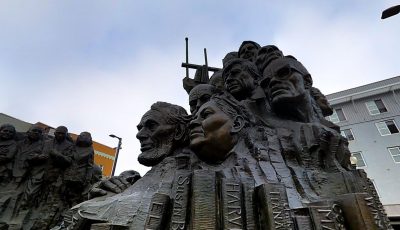
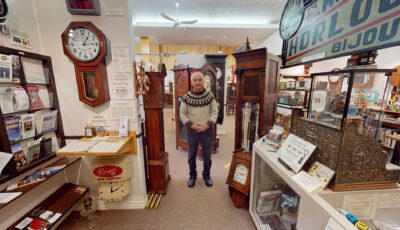
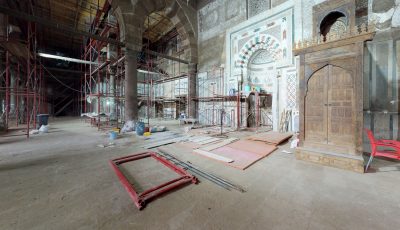
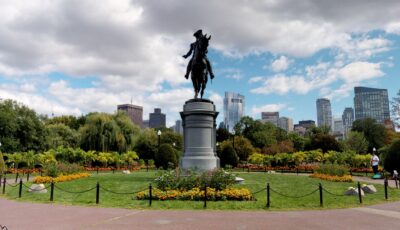
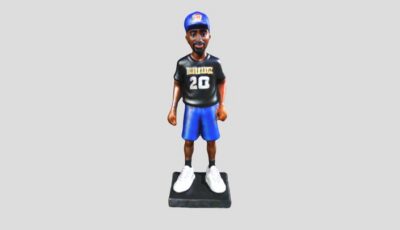
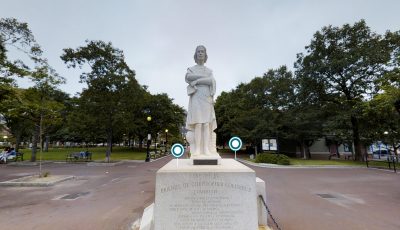
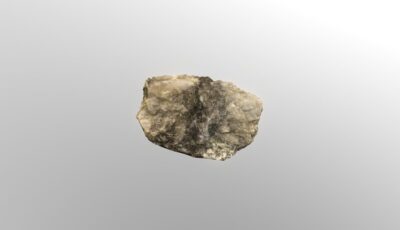
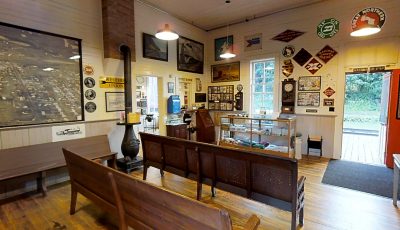
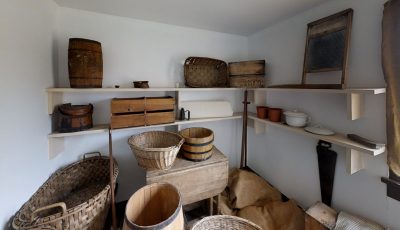
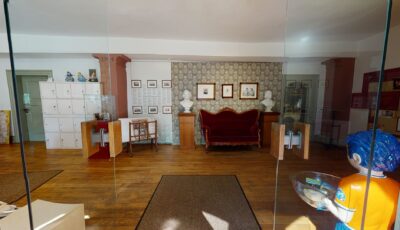
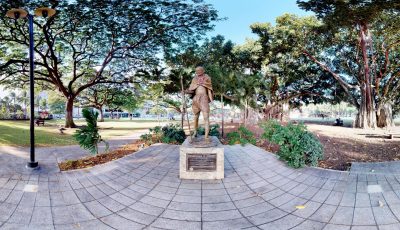
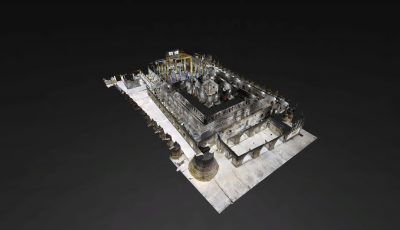
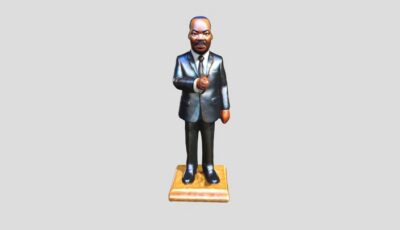
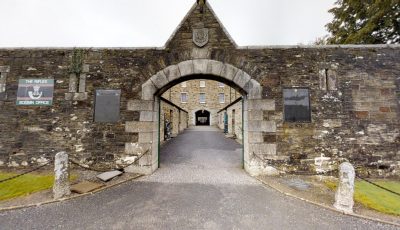
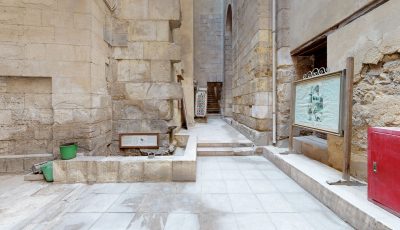
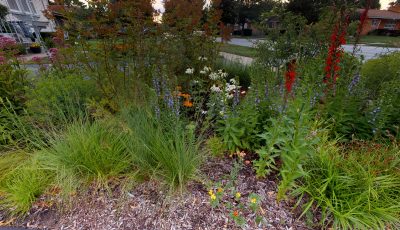
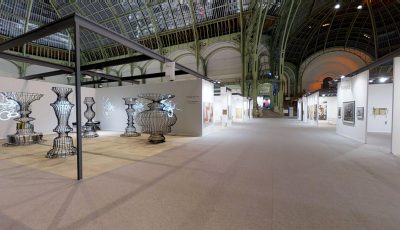
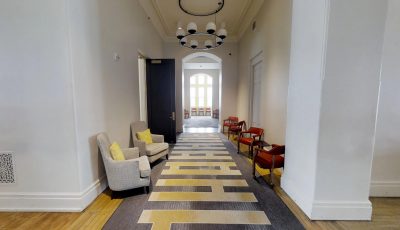
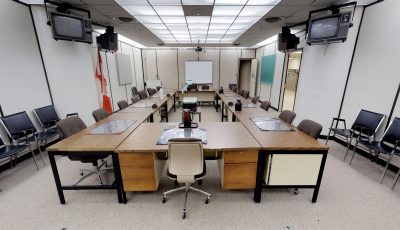
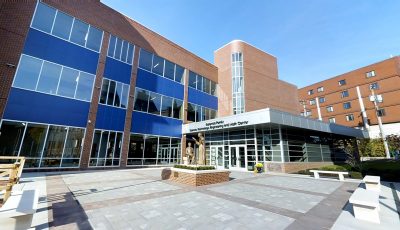
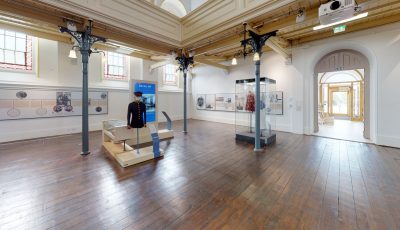
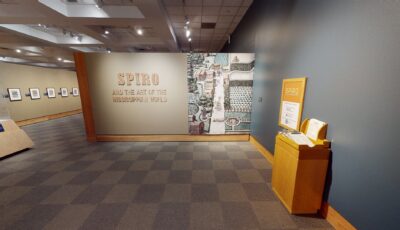
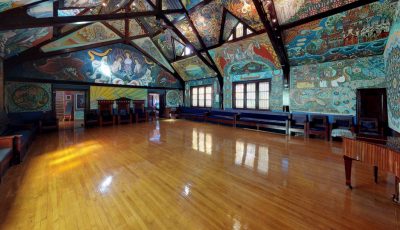
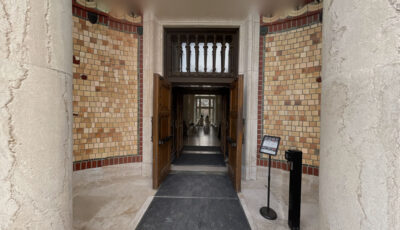
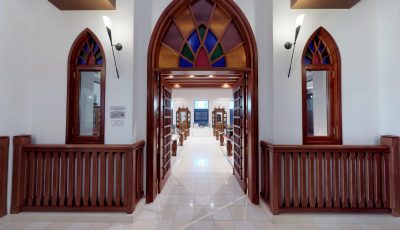
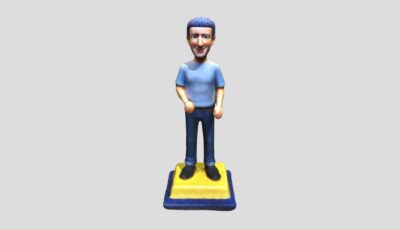
The main campus of Southern Illinois University Carbondale contains numerous statues, landmarks, memorials, and other monuments dedicated to or created by former students, staff, and faculty of the university. Many of these artifacts commemorate the deaths and accomplishments of these individuals. Other monuments include commissioned works of art or group memorials, or else landmarks important to the history of the university. Included in this list are many examples of modern sculpture. Early memorials are often set into the ground and accompanied by a specially planted tree. More modern memorials usually take the form of a bench with an attached plaque. While nearly all of the buildings on the SIU campus are named for individuals associated with the university, very few rooms within these buildings have been dedicated to specific individuals. In many cases, memorials are centered around buildings related to the work of those memorialized. For instance, Philosophy Department faculty memorials are found near the south end of Faner Hall, former home of the SIU Philosophy Department, while memorials to students and faculty of the School of Education are found around Pulliam Hall, historically the site of SIU’s Teachers College. The area of campus nicknamed “Old Campus” contains the largest amount of memorials. The earliest artifact viewable publicly on campus which can be identified dates to 1870, and is the cornerstone of the now-demolished Wheeler Library.
Information sourced from Wikipedia, licensed under CC-BY-SA.
Educational Lesson Plans
Enhance your classroom experience with our comprehensive educational lesson plans designed to accompany this virtual tour. Each lesson plan aligns with national educational standards and includes pre-tour activities, guided exploration questions, discussion prompts, and post-tour assessment materials. Perfect for grades K-12 and higher education.
Share This Virtual Tour
Know someone who would enjoy this virtual field trip? Share this 3D tour with teachers, students, friends, and family. Virtual field trips make learning accessible to everyone, regardless of location or ability to travel.