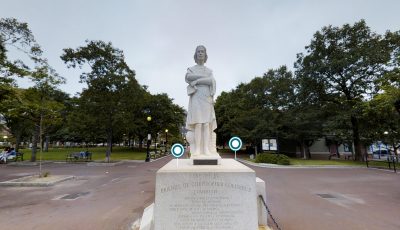
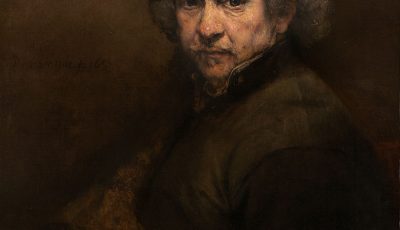
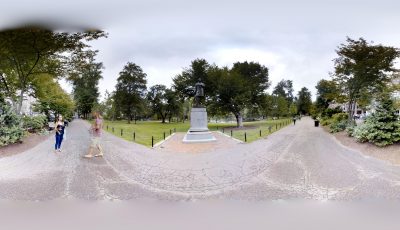
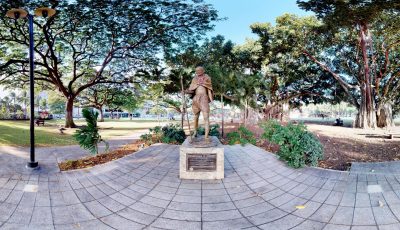
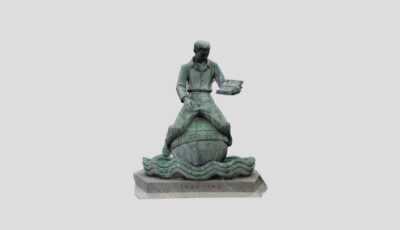
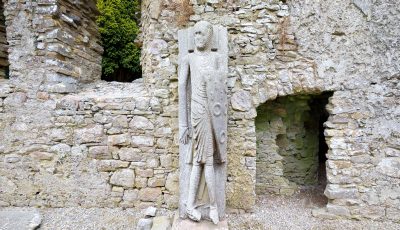
Saint Patrick was a fifth-century Romano-British Christian missionary and bishop in Ireland. Known as the “Apostle of Ireland”, he is the primary patron saint of Ireland, the other patron saints being Brigid of Kildare and Columba. He is also the patron saint of Nigeria. Patrick is venerated as a saint in the Catholic Church, the Church of Ireland (part of the Anglican Communion), Lutheranism, and in the Eastern Orthodox Church, where he is regarded as equal-to-the-apostles and Enlightener of Ireland. The dates of Patrick’s life cannot be fixed with certainty, but there is general agreement that he was active as a missionary in Ireland during the fifth century. Two Latin writings by Patrick survive: the Confessio and the Letter to the soldiers of Coroticus. Patrick writes that when he was sixteen, he was captured by Irish pirates from his home in Britain and taken as a slave to Ireland. He writes that he lived there for six years as a herder before escaping and returning to his family. After studying for many years, probably in Gaul, he returned to spread Christianity in Ireland. As a bishop, Patrick converted “thousands” and ordained many priests. Years later, he was summoned to Britain by church leaders to answer various accusations. Patrick issued a lengthy and personal statement denying the accusations and defending himself, which became the Confessio. The earliest hagiographies of Patrick were written in the seventh century by Muirchú and Tírechán.
Information sourced from Wikipedia, licensed under CC-BY-SA.
Educational Lesson Plans
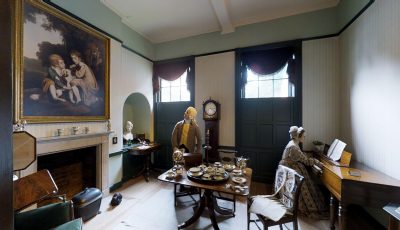
Enhance your classroom experience with our comprehensive educational lesson plans designed to accompany this virtual tour. Each lesson plan aligns with national educational standards and includes pre-tour activities, guided exploration questions, discussion prompts, and post-tour assessment materials. Perfect for grades K-12 and higher education.
Share This Virtual Tour
Know someone who would enjoy this virtual field trip? Share this 3D tour with teachers, students, friends, and family. Virtual field trips make learning accessible to everyone, regardless of location or ability to travel.