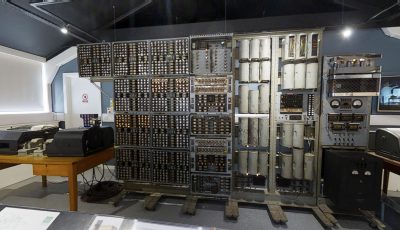
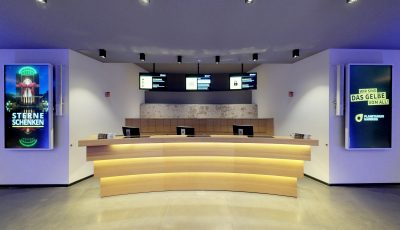
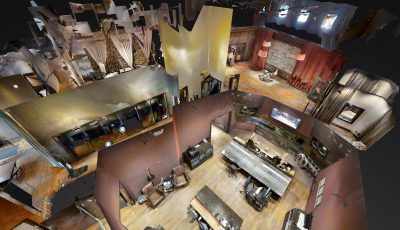
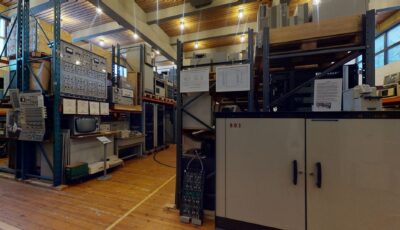
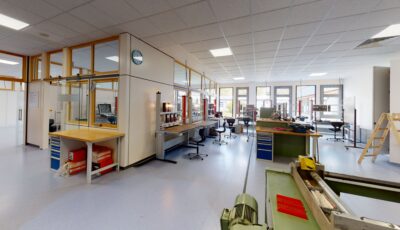
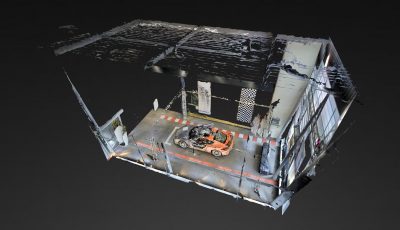
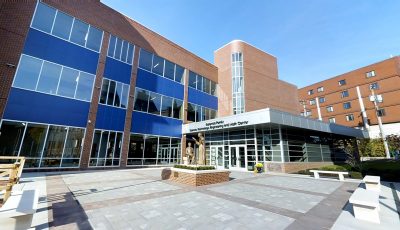
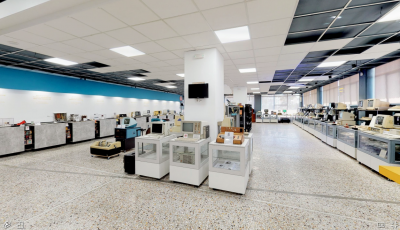
A data center is a facility used to house computer systems and associated components, such as telecommunications and storage systems. Data centers are critical infrastructure for the storage and processing of information, and they support the global financial system, cloud services, machine learning, and artificial intelligence (AI). Data centers vary widely in terms of size, power requirements, and overall structure. Four common categories are onsite enterprise data centers used mainly by a company’s employees and clients, colocation facilities where many companies rent space in a shared data center, hyperscale data centers owned by very large cloud service companies, and smaller edge data centers located close to end users. Hyperscale and colocation facilities collectively account for approximately 74% of U.S. server energy consumption as of 2023, a share that has grown significantly over the past decade as workloads have migrated away from enterprise on-premises infrastructure. Since IT operations are crucial for business continuity, a data center generally includes redundant or backup components. Other important design considerations are power supply, network infrastructure, environmental controls (e.g., cooling, fire suppression), and various measures for physical and data security. Large data centers operate at an industrial scale, requiring significant energy. Estimated global data center electricity consumption in 2024 was around 415?terawatt hours (TWh), or about 1.
Information sourced from Wikipedia, licensed under CC-BY-SA.
Educational Lesson Plans
Enhance your classroom experience with our comprehensive educational lesson plans designed to accompany this virtual tour. Each lesson plan aligns with national educational standards and includes pre-tour activities, guided exploration questions, discussion prompts, and post-tour assessment materials. Perfect for grades K-12 and higher education.
Share This Virtual Tour
Know someone who would enjoy this virtual field trip? Share this 3D tour with teachers, students, friends, and family. Virtual field trips make learning accessible to everyone, regardless of location or ability to travel.