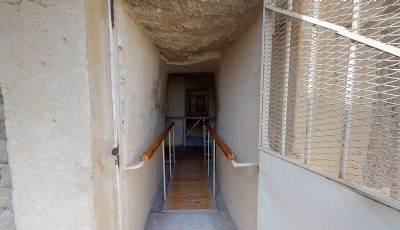
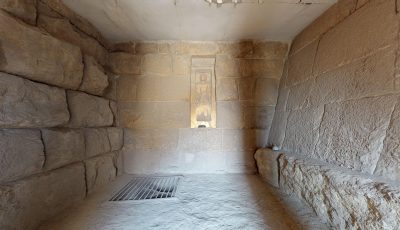
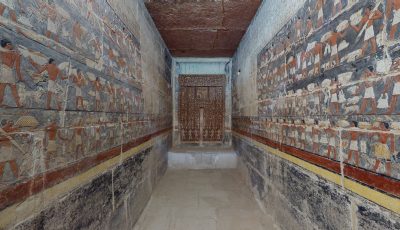
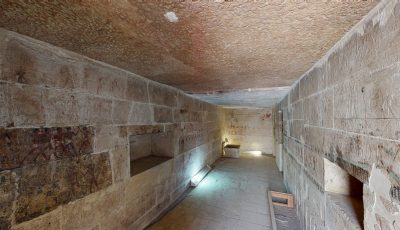
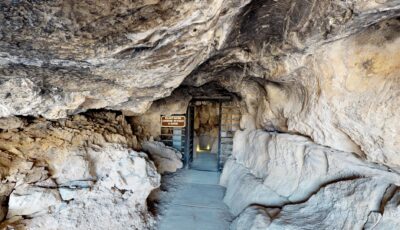
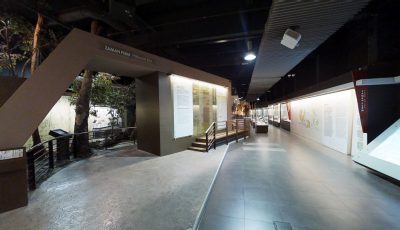
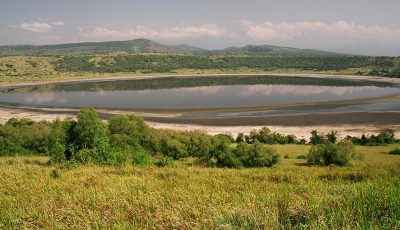
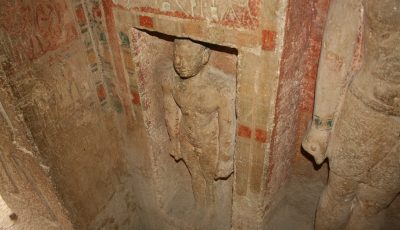
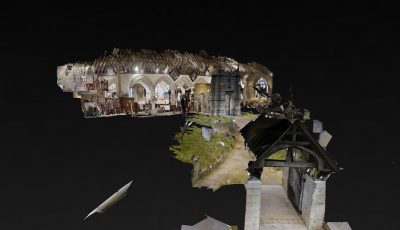
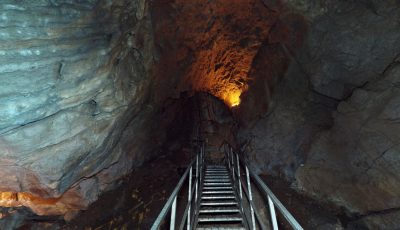
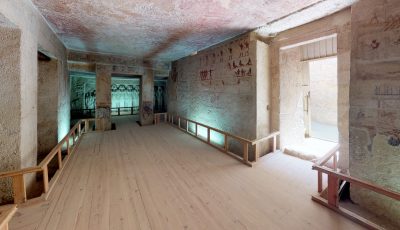
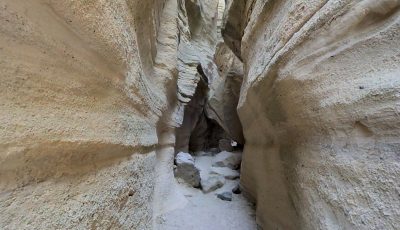
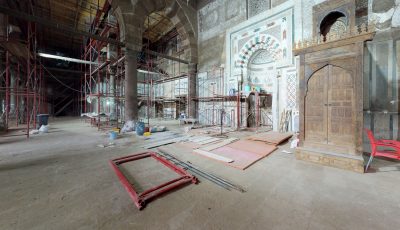
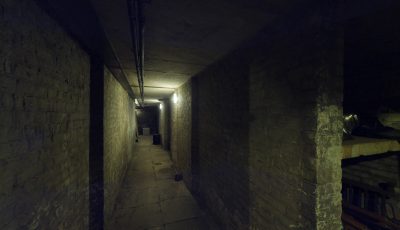
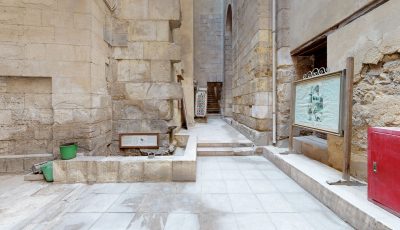
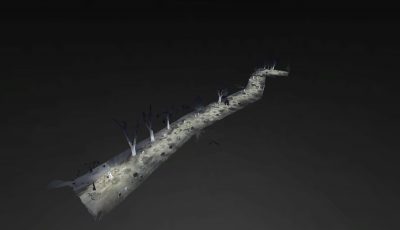
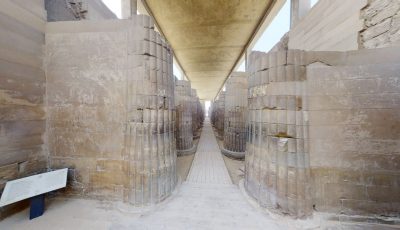
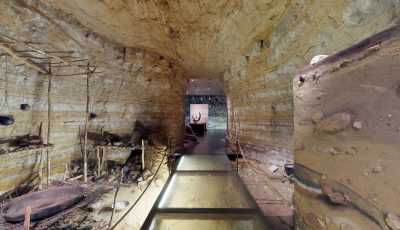
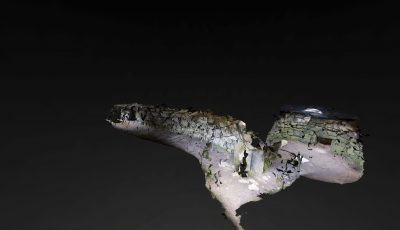
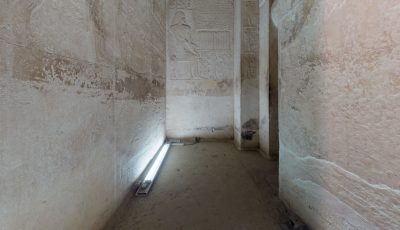
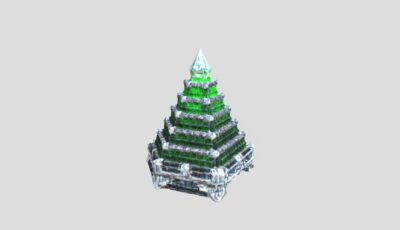
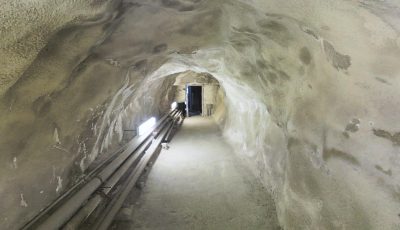
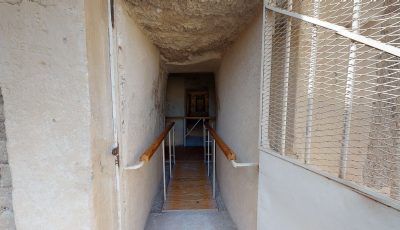
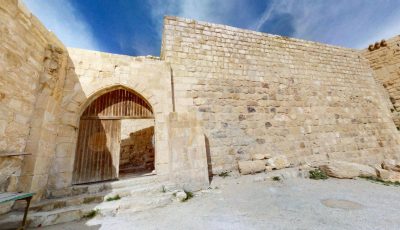
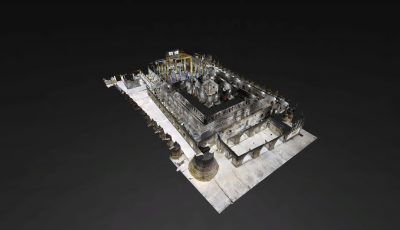
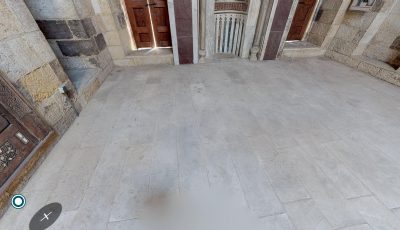
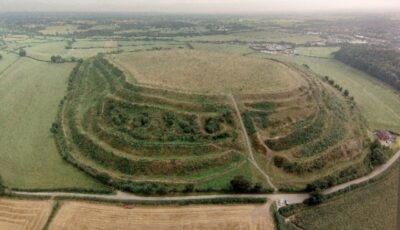
The pyramid of Unas (Egyptian: Nfr swt Wnjs, lit.?’Beautiful are the places of Unas’) is the funerary monument built for the Egyptian pharaoh Unas, the ninth and final king of the Fifth Dynasty, in the 24th century BC. It is the smallest Old Kingdom pyramid, but significant due to the discovery of Pyramid Texts – spells for the king’s afterlife – incised into the walls of its subterranean chambers. Inscribed for the first time in Unas’s pyramid, the tradition of these funerary texts carried on in the pyramids of subsequent rulers through to the end of the Old Kingdom, and into the Middle Kingdom through the Coffin Texts that form the basis of the Book of the Dead. Unas built his pyramid between the complexes of Sekhemket and Djoser, in North Saqqara. Anchored to the valley temple at a nearby lake, a long causeway was constructed to provide access to the pyramid site. The causeway had elaborately decorated walls covered with a roof which had a slit in one section allowing light to enter, illuminating the images. A long wadi was used as a pathway. The terrain was difficult to negotiate and contained old buildings and tomb superstructures. These were torn down and repurposed as underlay for the causeway. A significant stretch of Djoser’s causeway was reused for embankments. Tombs that were on the path had their superstructures demolished and were paved over, preserving their decorations.
Information sourced from Wikipedia, licensed under CC-BY-SA.
Educational Lesson Plans
Enhance your classroom experience with our comprehensive educational lesson plans designed to accompany this virtual tour. Each lesson plan aligns with national educational standards and includes pre-tour activities, guided exploration questions, discussion prompts, and post-tour assessment materials. Perfect for grades K-12 and higher education.
Share This Virtual Tour
Know someone who would enjoy this virtual field trip? Share this 3D tour with teachers, students, friends, and family. Virtual field trips make learning accessible to everyone, regardless of location or ability to travel.