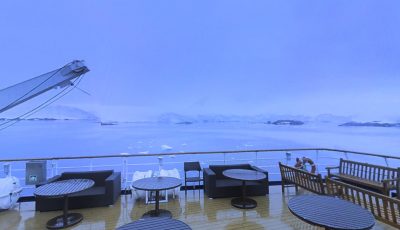
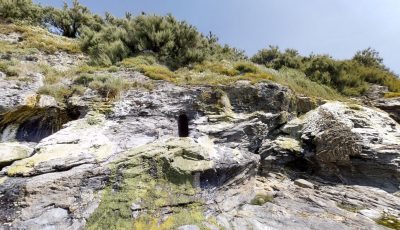
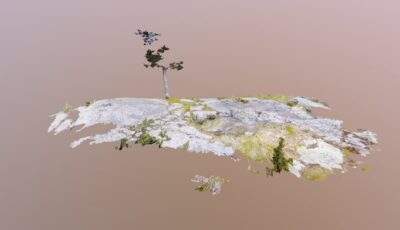
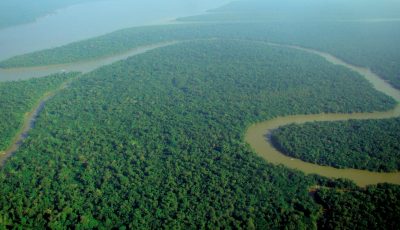
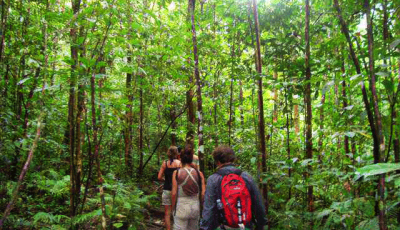
The Galápagos Islands (Spanish: Islas Galápagos) are an archipelago of volcanic islands in the Eastern Pacific, located around the equator, 485 nautical miles (898 km; 558 mi) west of the mainland of South America. They form the Galápagos Province of the Republic of Ecuador, with a population of slightly over 33,000 in 2020. The province is divided into the cantons of San Cristóbal, Santa Cruz, and Isabela, the three most populated islands in the chain. The Galápagos are famous for their large number of endemic species, which were studied by Charles Darwin in the 1830s and inspired his theory of evolution by means of natural selection. All of these islands are protected as part of Ecuador’s Galápagos National Park and Marine Reserve. There is no firm evidence that Polynesians or the Indigenous peoples of South America reached the islands before their accidental discovery by Bishop Tomás de Berlanga in 1535. If some visitors did arrive, poor access to fresh water on the islands seems to have limited settlement. The Spanish Empire similarly ignored the islands, although during the Golden Age of Piracy various pirates used the Galápagos as a base for raiding Spanish shipping along the Peruvian coast. The goats and black and brown rats introduced during this period greatly damaged the existing ecosystems of several islands. British sailors were chiefly responsible for exploring and mapping the area.
Information sourced from Wikipedia, licensed under CC-BY-SA.
Educational Lesson Plans
Enhance your classroom experience with our comprehensive educational lesson plans designed to accompany this virtual tour. Each lesson plan aligns with national educational standards and includes pre-tour activities, guided exploration questions, discussion prompts, and post-tour assessment materials. Perfect for grades K-12 and higher education.
Share This Virtual Tour
Know someone who would enjoy this virtual field trip? Share this 3D tour with teachers, students, friends, and family. Virtual field trips make learning accessible to everyone, regardless of location or ability to travel.