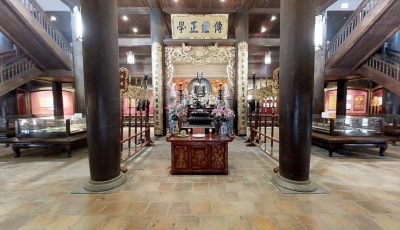
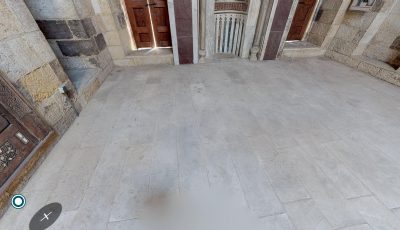
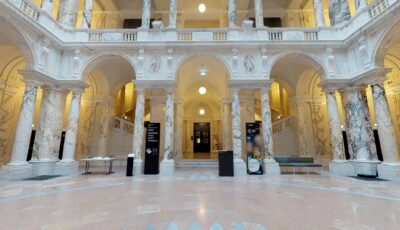
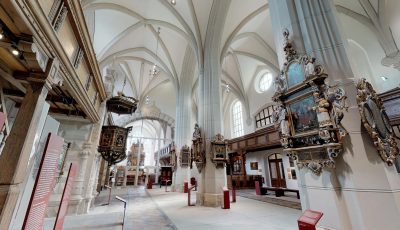
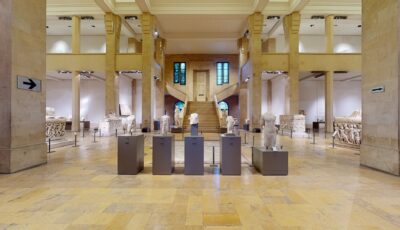
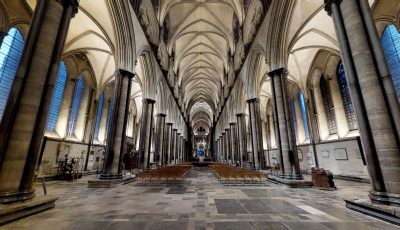
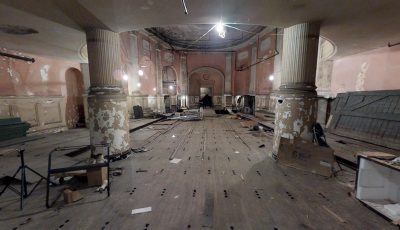
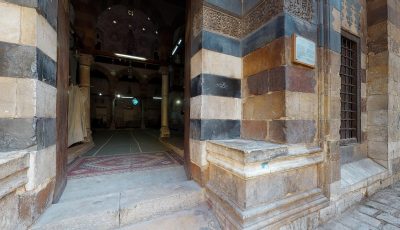
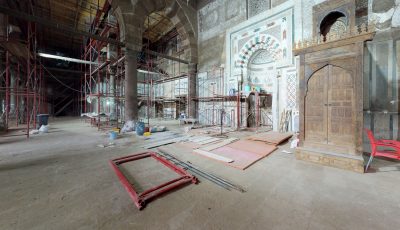
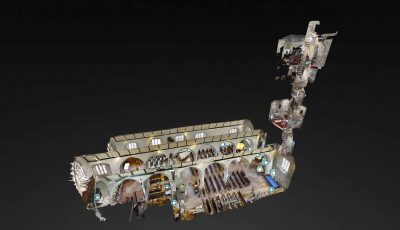
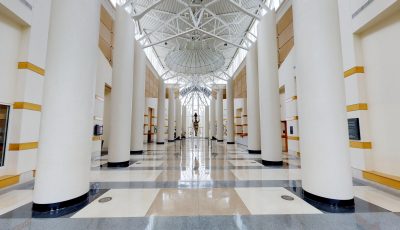
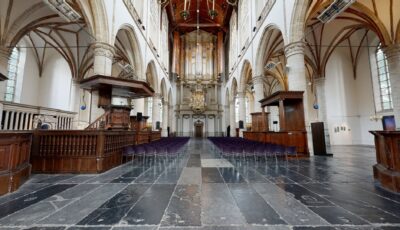
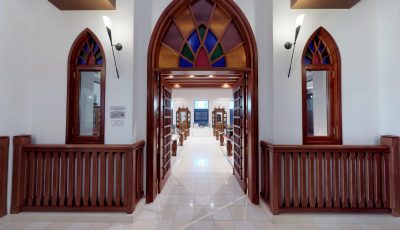
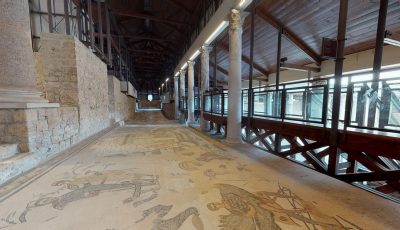
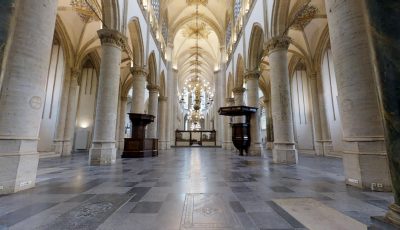
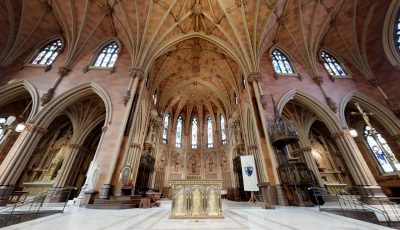
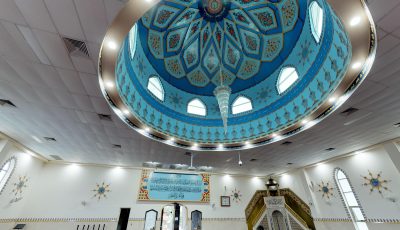
Hagia Sophia, officially the Hagia Sophia Grand Mosque, is a mosque and a major cultural and historical site in Istanbul, Turkey. It was formerly a church (360–1453) and a museum (1935–2020). The last of three church buildings to be successively erected on the site by the Eastern Roman Empire, it was completed in AD 537, becoming the world’s largest interior space and among the first to employ a fully pendentive dome. It is considered the epitome of Byzantine architecture and is said to have “changed the history of architecture”. From its dedication in 360 until 1453, Hagia Sophia served as the cathedral of Constantinople in the Byzantine liturgical tradition, except for the period 1204–1261 when the Latin Crusaders installed their own hierarchy. After the fall of Constantinople in 1453, it served as a mosque, having its minarets added soon after. The site became a museum in 1935, and was redesignated as a mosque in 2020. The current structure was built by the Byzantine emperor Justinian I as the Christian basilica of Constantinople between 532–537 and was designed by the Greek geometers Isidore of Miletus and Anthemius of Tralles. It was formally called the Temple of God’s Holy Wisdom, (Greek: ???? ??? ????? ??? ???? ??????, romanized: Naòs tês Hagías toû Theoû Sophías) the third church of the same name to occupy the site, as the prior one had been destroyed in the Nika riots.
Information sourced from Wikipedia, licensed under CC-BY-SA.
Educational Lesson Plans
Enhance your classroom experience with our comprehensive educational lesson plans designed to accompany this virtual tour. Each lesson plan aligns with national educational standards and includes pre-tour activities, guided exploration questions, discussion prompts, and post-tour assessment materials. Perfect for grades K-12 and higher education.
Share This Virtual Tour
Know someone who would enjoy this virtual field trip? Share this 3D tour with teachers, students, friends, and family. Virtual field trips make learning accessible to everyone, regardless of location or ability to travel.